








![[Credit: Cirrus]](https://planeandpilotmag.com/wp-content/uploads/2026/08/ADKq_NbfKDmYZoM59ZL1MRPUm1DaNgxS8cKOEjoPPqYKBByt31jvOeK9hFBOdLtvn6igJGznIJOc9Or3yBVI3kG3YgvZ3KTDl_ldGUcd-Z6LA5FERmv3Ya2JJctp_3XweGooODK8v6LIOipMQeGNbTt2gTkEJahG-FHT2A0s0-d-e1-ft.jpg)

There’s a certain comfort that comes with climbing into an airplane you know well.
You know where everything is. You know how it feels when the wheels leave the runway, what the sight picture should look like on final, and exactly how much pressure it takes to get the airplane to do what you want.
That familiarity is a good thing. But every once in a while, I think we should intentionally step away from it.
Go fly something that makes you a little uncomfortable.
Over the last few years, I’ve had the opportunity to fly everything from Cirruses to Carbon Cubs, floatplanes, and plenty of airplanes somewhere in between. Almost without exception, the airplanes that have taught me the most are the ones I initially knew the least about.
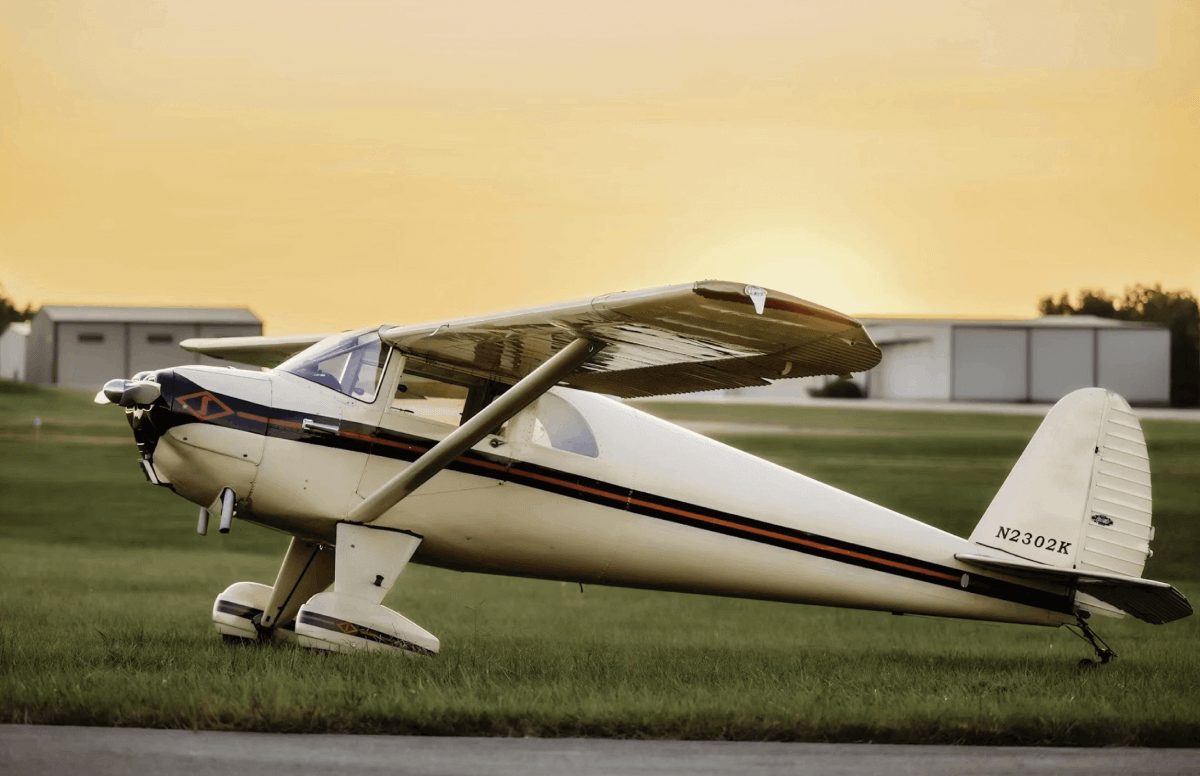
Put a pilot who spends most of their time behind a glass panel into a tailwheel airplane and suddenly the rudder pedals become a lot more important.
Put a landplane pilot on floats and an entirely new world of decision making appears. Wind, water conditions, docking, currents, obstacles, and seemingly simple questions like “Where exactly am I going to park this thing?” suddenly become part of the equation.
Head into the backcountry and runway length is no longer the only number that matters. Surface condition, slope, terrain, density altitude, wind, go-around options, and your ability to honestly evaluate your own skills all become incredibly important.
None of that means you need to become a bush pilot, earn a seaplane rating, or sell your airplane tomorrow and buy a Super Cub.
The point is to occasionally put yourself back into the student seat. That’s a position I think experienced pilots can sometimes avoid without realizing it.
There’s value in not knowing exactly what to do. There’s value in having an instructor demonstrate something and thinking there’s absolutely no way I can do that.
Then you try it.
You probably mess it up.
You try it again.
Somewhere along the way, you start understanding not only the new airplane, but flying itself a little better.
That’s what I’ve enjoyed most about seeking out different types of aviation. Each one has exposed a weakness, changed a habit, or taught me something I could bring back to the airplanes I fly every day.
You don’t need a new certificate to do it either.
Book an hour of tailwheel instruction. Take an aerobatic lesson. Try gliders. Get some mountain instruction. Go fly a seaplane. Find an instructor and practice something you haven’t touched since your check ride.
Whatever it is, find something that makes you feel like a brand-new student pilot again.
Being uncomfortable in an airplane isn’t something we should seek recklessly. But being challenged, under the right conditions and with the right instructor, absolutely is.
Because one of the easiest ways to stop learning as a pilot is to only fly what you already know.