









![[Credit: CubCrafters]](https://planeandpilotmag.com/wp-content/uploads/2026/08/PRESS-PHOTO-Carbon-Cub-Record-Flight-From-US-to-Austraila-8-20-26.jpg)

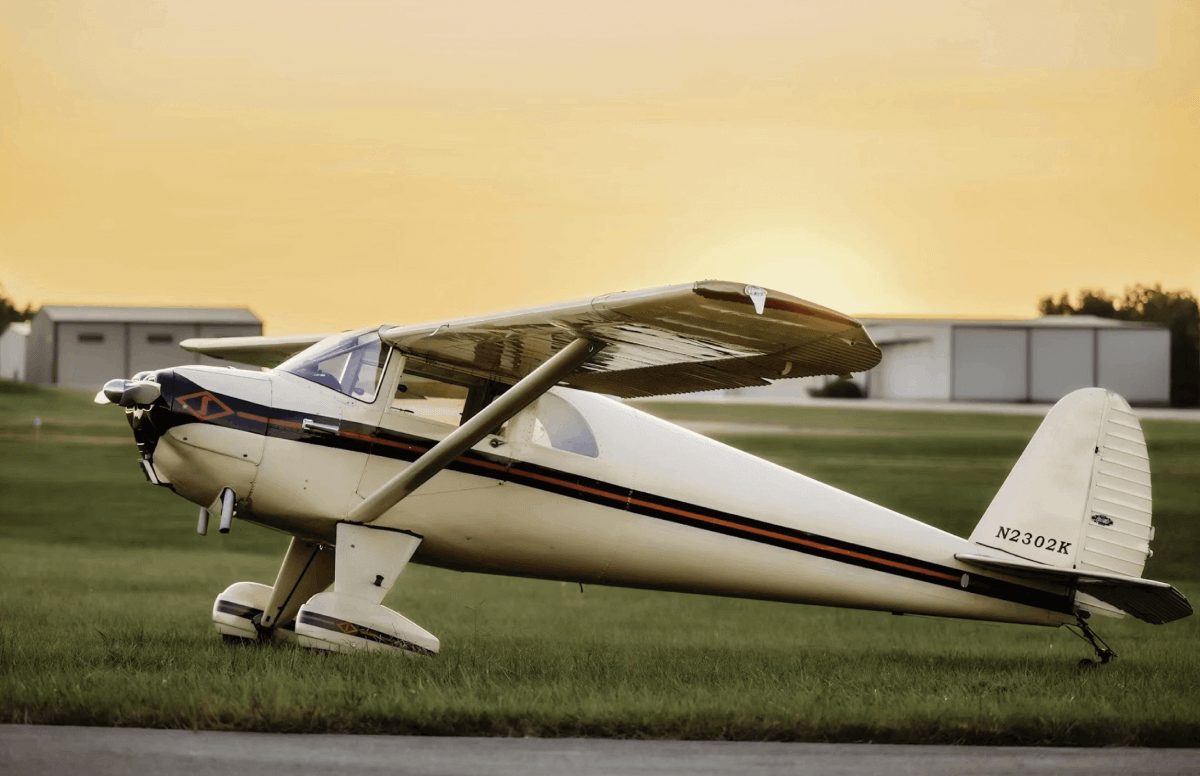
Normally, CubCrafters’ Rotax-powered Carbon Cub UL specializes in things like short landings on a strip of grass in areas more traditional aircraft wouldn’t dare venture. But over the last 12 months the Cub-styled ultralight has proven its capabilities extend well beyond the confines of the backcountry.
On Thursday, Cubcrafters announced that David Green, an Australian pilot and new owner of a Carbon Cub UL, completed a transcontinental expedition from the company’s factory in Yakima, Washington, to his Australian home in Port Macquarie, New South Wales, in what is likely the record for longest flight completed in a backcountry aircraft.
According to CubCrafters, when faced with the decision of disassembling his aircraft and shipping it back to Australia, Green opted for a different path—one nobody before him had previously considered.
Green took off from Yakima on July 22 to kick off his 30-day journey. After a quick stop at EAA AirVenture in Oshkosh, Wisconsin, he continued eastward toward the Atlantic, where he flew long legs over multiple bodies of water. Having to navigate border crossings, plan for fuel, and face other logistical challenges kept him alert.
Green’s Carbon Cub UL, which he dubbed “Dusty,” traveled roughly 16,800 nm and clocked almost 144 hours of flight time.
“Flying Dusty home from Yakima to Australia has been a heck of an adventure,” Green said in a news release. “Nearly 17,000 nm across oceans, continents, and some incredibly remote parts of the world, and the Carbon Cub just kept going. The airplane performed beautifully, and I trusted it every step of the way.”
While CubCrafters lauded the accomplishment, the company said its success was more about continuing to demonstrate that while most Carbon Cub UL owners likely won’t be taking off on a nearly 17,000 nm flight, they can have confidence their aircraft can handle operations well beyond its stated mission.
“Very few people are ever going to take their backcountry airplane on an adventure like
David’s,” said Brad Damm, vice president of CubCrafters. “But whether you’re crossing an ocean or heading into a remote strip, you need to trust your airplane to go the distance. That’s what we build at CubCrafters—aircraft you can have confidence in when the pavement, the airports, and the roads are far behind you.”
In October, a Carbon Cub UL eclipsed the world altitude record for a Cub-type aircraft of 30,203 feet set in 1951 by climbing to 37,609 feet. Then in July a separate Carbon Cub UL achieved the aircraft’s first transatlantic flight, traveling approximately 6,900 nm from Idaho to Poland.
“Records are fun, but ultimately these flights aren’t really about records,” Damm said. “They demonstrate what the airplane is capable of. Most owners aren’t going to fly at 37,000 feet or halfway around the world. But when they point their airplane toward somewhere remote, they can know they’re flying an aircraft engineered and built to go the distance.”