








 The Sport Pilot Certificate has emerged as a popular option for aspiring pilots who want to experience the joy of recreational flying without the extensive time and financial commitment required for a Private Pilot Certificate. It’s been with us for two decades but there are still questions about the SP certificate. Here’s a rundown.
There are seven main categories of aircraft for which you can be a Sport Pilot, each with variations on training and pilot requirements specific to that Category. This article will be specific to the Airplane Category.
What is the Sport Pilot Certificate?
The Sport Pilot Certificate allows pilots to fly a Light Sport Aircraft (LSA). These aircraft are typically smaller, simpler and more affordable to operate. Key characteristics of LSAs include:
- Maximum takeoff weight of 1320 pounds (or 1430 for seaplanes)
- Maximum airspeed in level flight of 120 knots under standard atmospheric conditions
- Maximum stall speed of 45 knots in landing configuration
- Single, non-turbine engine
- Fixed pitch or ground adjustable propeller
- Fixed landing gear (except for seaplanes)
- Note that all of these are under the current LSA/SP rules and are likely to change when MOSAIC becomes reality next year.
Advantages of the Sport Pilot Certificate
- Less Flight Time Requirement: The Sport Pilot Certificate requires a minimum of 20 hours of flight training, compared to 40 hours for the Private Pilot Certificate. Typical training time from zero flight hours is 45 hours for a LSA certificate versus 65 hours for the Private Pilot License. For those with prior flight training experience, the average time could be much less.
- Simplified Medical Requirements: Instead of obtaining a FAA Medical Certificate, Sport Pilots can operate with a valid U.S. Issued Driver’s License if they meet certain criteria.
- Affordability: LSAs tend to be less expensive to rent, purchase, insure and maintain than larger aircraft of similar vintage and configuration, making flying more accessible. This is particularly so for Amateur Built Experimental Light Sport Aircraft (E-LSA).
- Recreational Flying Focus: The Sport Pilot Certificate is designed for recreational flying, ideal for pilots interested in personal enjoyment rather than commercial operations
Limitations of the Sport Pilot Certificate
- Daylight Operations Only: Sport Pilots are limited to flying during daylight hours in Visual Meteorological Conditions (VFR) only.
- Single Passenger: A maximum seating capacity of no more than two persons, including the pilot.
- No Commercial Operations: The Sport Pilot Certificate cannot be used for commercial activities, such as carrying passengers or property for compensation or hire.
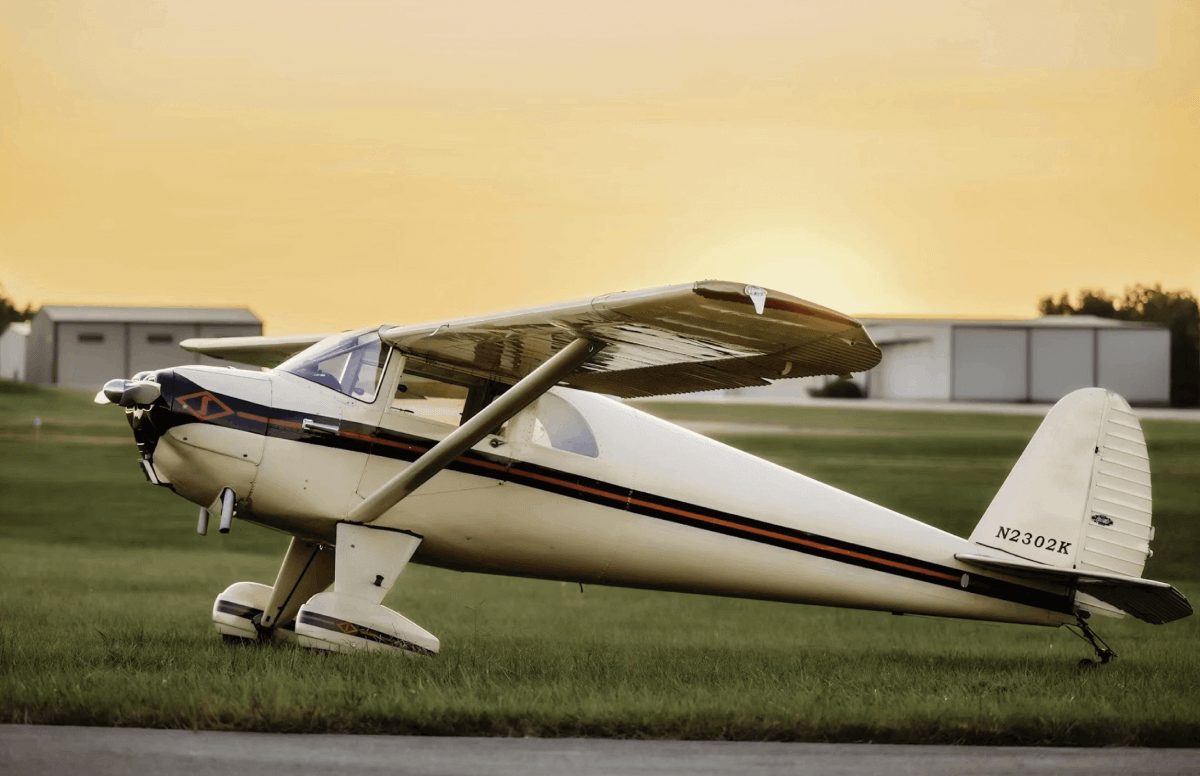
- Aircraft: Fly a Sport Pilot-Eligible aircraft. These include aircraft designated as Special Light Sport Aircraft (S-LSA), Experimental Light Sport Aircraft (E-LSA) and certain legacy Certified aircraft that fully complied with the requirements of a Light Sport Aircraft at the time of initial certification.
- Altitude: Up to 10,000 feet MSL, or 2000 feet AGL, whichever is higher
- Airspace: Cannot operate in Class B, C, or D airspace, at an airport located in Class B, C, or D airspace and to, from, through, or at an airport having an operational control tower unless you have met FAA training requirements and received the required instructor endorsement(s).
- Location: You may not operate outside the United States, unless you have prior authorization from the country/countries in/though which you seek to operate.
- Who is Eligible for the Sport Pilot Certificate?
To be eligible for the Sport Pilot Certificate, you must:
- Be at least 17 years old
- Be able to read, speak, write and understand English.
- Hold a valid U.S. Issued Driver’s License
- Your application for your last FAA Medical Certificate cannot have been denied
- Your most recent issued FAA Medical Certificate must not have been suspended or revoked
- If you held a Special Issuance FAA Medical Certificate, it must not have been withdrawn
- Be free of any medical condition or medication that would make the applicant medically unfit to operate an aircraft
How to Obtain the Sport Pilot Certificate
- Find a Flight School or Independent Flight Instructor: Locate a FAA Certified Flight Instructor who specializes in and is experienced with LSA training.
- Complete Ground School: Study the theoretical aspects of flight, including aerodynamics, meteorology, navigation, regulations and aircraft systems.
- FAA Knowledge Test: Pass the FAA written exam, which covers aeronautical knowledge.
- Flight Training: Undergo dual instruction with your flight instructor, learning the fundamentals of flight maneuvering, takeoff, landing and emergency procedures.
- Solo Flight: Once you have demonstrated proficiency, you will be authorized to fly solo under the supervision of your instructor.
- FAA Practical Test: Complete the practical flight exam, demonstrating your flying skills to an FAA authorized examiner.
Existing Pilots Becoming Sport Pilots
A holder of a Private Pilot Certificate without a current FAA Medical Certificate can operate as a Sport Pilot if they meet the following requirements:
- Valid Private Pilot Certificate: They must hold at least a valid Private Pilot Certificate (or higher). They must also have a current Flight Review recorded in their logbook. They must only operate within the Category and Class ratings on the Pilot Certificate.
- Valid U.S. Issued Driver’s License: They must have a current and valid U.S. Issued Driver’s License. This serves as proof of medical fitness in lieu of an FAA Medical Certificate.
No Medical Denial/Suspension/Revocation/Withdrawal: Their most recent FAA Medical Certificate cannot have been denied, suspended, or revoked. Any Special Issuances must not have been withdrawn. - Compliance with Sport Pilot Regulations: They must comply with all applicable Sport Pilot regulations, including aircraft limitations, airspace restrictions and weather minimums.
- Important: Even if you meet all of the requirements, you are still responsible for determining your own medical fitness to fly. If you have any medical condition that could affect your ability to safely operate an aircraft, you should consult with a doctor before flying.
Is the Sport Pilot Certificate Right for You?
If you’re looking for an affordable and less time-intensive path to flying for personal enjoyment, the Sport Pilot Certificate may be a perfect fit. Before you start your training, be sure to research different flight schools, aircraft options and instructors to find the best resources for your journey into the skies.