











A new utility aircraft is in development, but the man behind it is not new to this kind of mission.
Tom Hamilton, the aircraft designer responsible for the Glasair, GlaStar, and the Daher Kodiak, is working on a new high-wing utility aircraft to operate from rugged, backcountry airstrips while carrying substantial payloads.
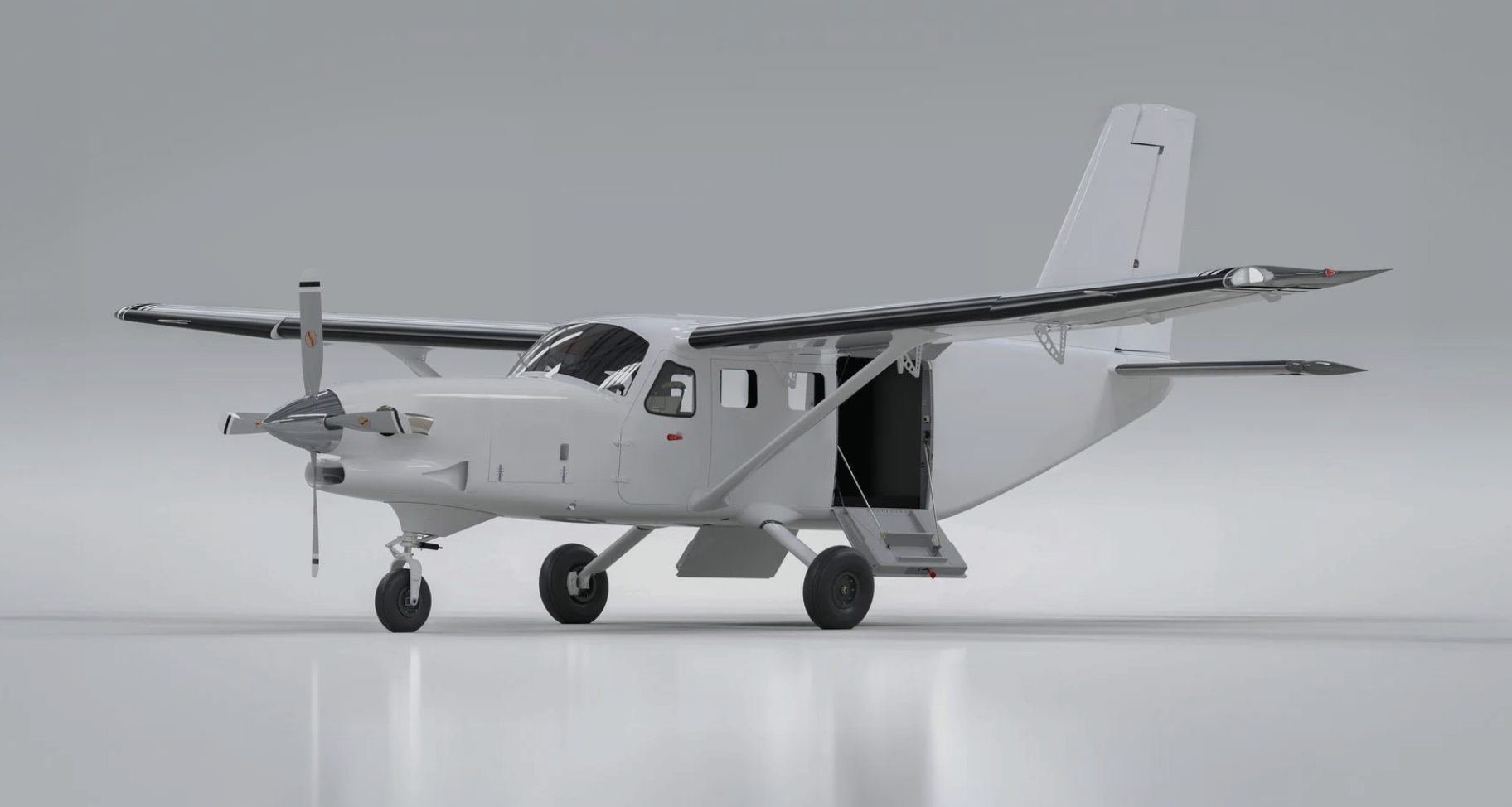
The Reach AC-6, being developed by Reach Aviation, is designed to accommodate eight or nine occupants with a target useful load of 3,000 pounds. The aircraft is intended for missionary aviation organizations, commercial operators, and private owners who need to operate in remote environments.
Hamilton founded Reach Aviation in 2017, adding another company to a career spanning more than five decades. His previous ventures include Stoddard-Hamilton Aircraft, Quest Aircraft, and Aerocet, a manufacturer of composite floats and amphibious landing gear.
The AC-6 is intended to fill the gap between aging piston-powered utility aircraft, including the de Havilland Beaver and Cessna 206, and larger, more expensive turboprops such as the Daher Kodiak and Cessna Caravan.
The initial version, designated the AC-6T, will feature a 750-shaft-hp Pratt & Whitney PT6A-34 turboprop engine. Reach is targeting a cruise speed of approximately 170 knots and a range of 800 nm with a 45-minute reserve.
Reach is targeting a takeoff distance of just 750 feet to clear a 50-foot obstacle and a landing distance of 700 feet over the same obstacle. The aircraft’s projected stall speed is 56 knots, aided by double-slotted flaps capable of deploying up to 48 degrees.
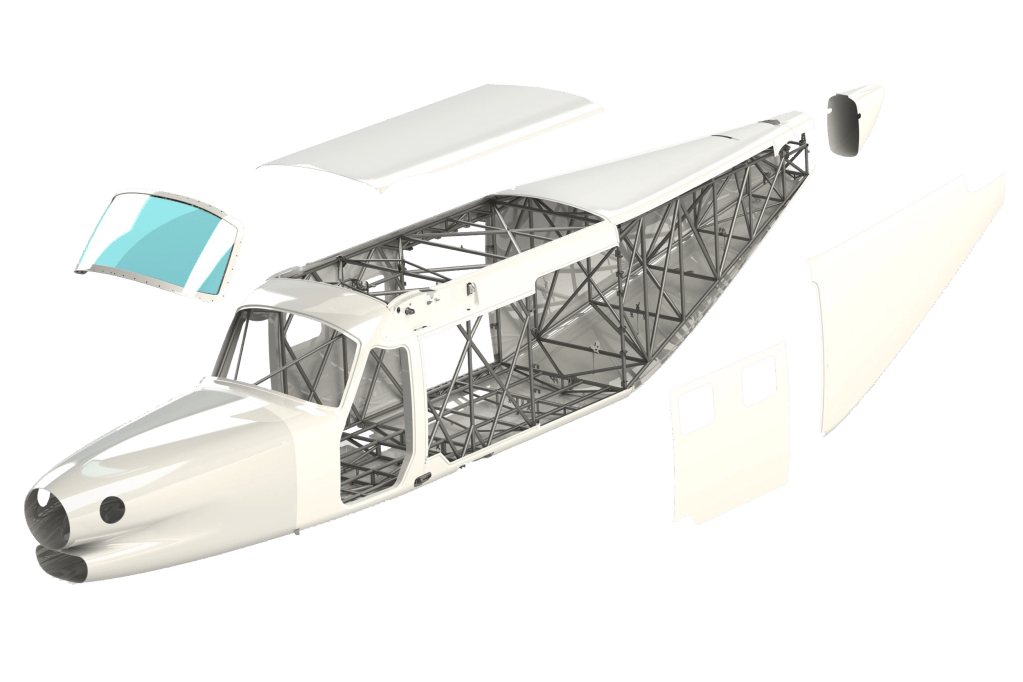
The AC-6 will feature a steel-tube framework covered by removable composite panels. According to Reach, two mechanics should be able to remove the exterior panels in approximately two hours, providing access to flight controls, fuel lines, and other internal systems.
The windscreen is also designed for quick replacement, an especially useful feature for aircraft operating far from traditional maintenance facilities.
Inside, the cabin will measure 49 inches wide, with 8 feet of space behind the pilots. A 42-inch-wide cargo door provides access for loading equipment, while an additional door and external cargo pod will be available as options.
Float operations are also part of the plan, with structural attachment points incorporated into every airframe.
Despite the aircraft’s emphasis on simplicity and utility, the proposed avionics package is anything but basic. The AC-6 is expected to feature dual Garmin G500 TXi displays, GTN 750 and 650 navigators, a GI 275 standby instrument, and a GFC 500 autopilot.
Reach is also developing a second variant, the AC-6D, powered by a 650 hp, 12-cylinder diesel engine from Ascent Engine Technologies. The company projects approximately 40 percent lower fuel consumption compared to the turbine-powered version, with a range of 1,450 nm and a cruise speed of approximately 165 knots.
Both variants are designed to operate on jet-A fuel.
The projected price for the turbine-powered AC-6T is $2.25 million, which Reach said would put it at least $1 million below comparable turboprop utility aircraft.
For now, however, the performance figures remain development targets. Reach has not announced a first-flight date, certification timeline, or anticipated deliveries. The company, led by CEO Samuel Spear, is seeking investment partners to bring the aircraft to market.