












The Vulcanair Is The Not So ‘New’ Kid In Town

The Vulcanair V1.0 isn’t a very familiar plane to most pilots. Vulcanair and Ameravia plan to change that.

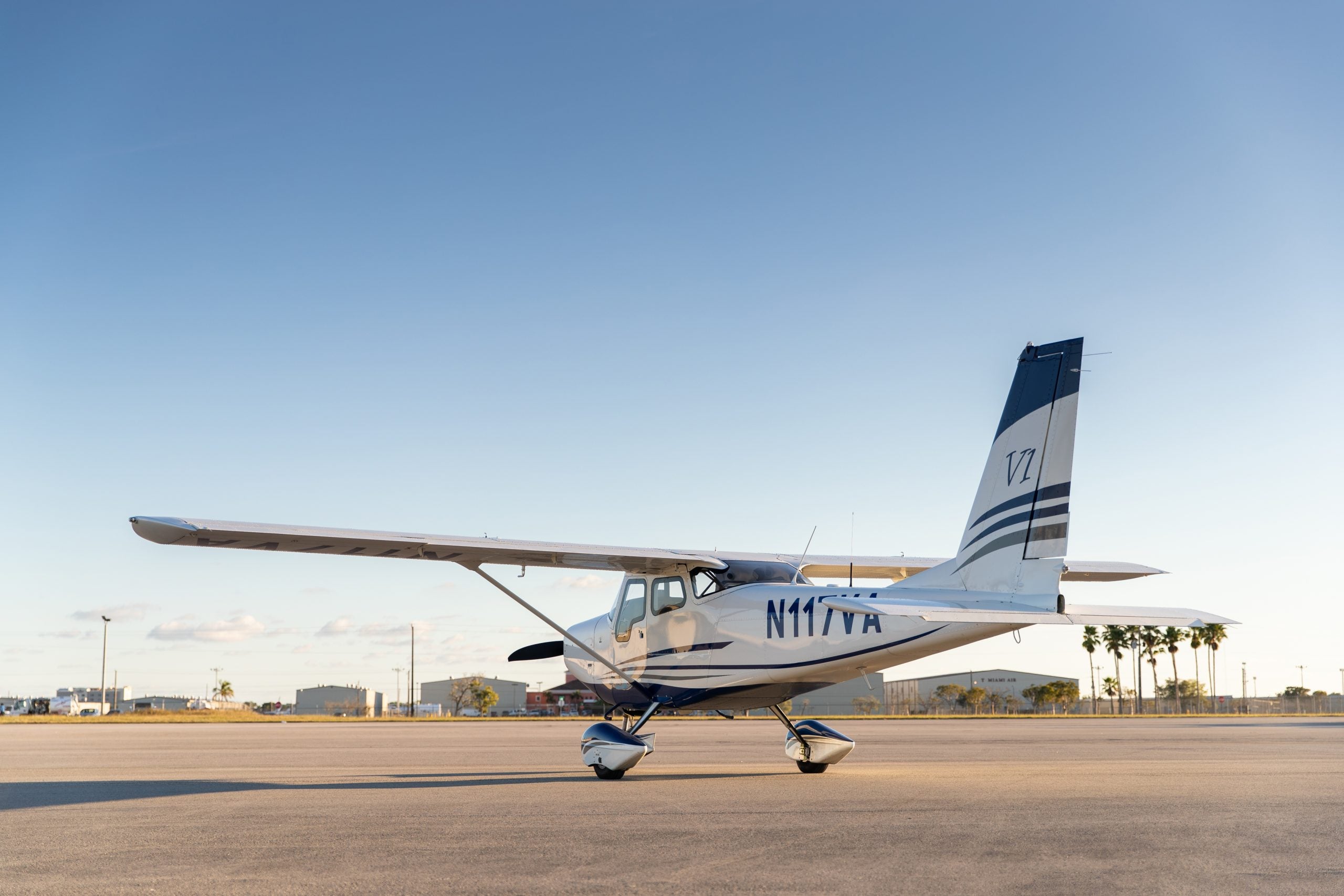
If Cessna designers had taken the 172 and instead of going with sleek, windswept lines, they went in the other direction to create a plane that was blue collar and ready to work. That’s the style of the V1.0. (photo courtesy: Ameravia)
Gemini Sparkle

Key Takeaways:

  • The Ameravia Vulcanair V1.0 is an Italian-made, 180-hp, four-seat, high-wing aircraft with a design history spanning over 50 years, now imported to the U.S.
  • It features a "blue-collar" and robust construction, including a welded steel safety cage for crashworthiness, pushrod controls for smooth handling, and practical elements like an excellent door design with a unique third rear entry door.
  • The V1.0 offers an engaging and honest flying experience, requiring pilot input (like rudder use for coordinated turns), and comes equipped with a constant-speed prop and modern avionics like the Garmin G500 and JPI 930.
  • Its primary competitive advantage is a significantly lower price point, listing at approximately $278,000, which is about $100,000 less than comparable new four-seat trainers, making it an attractive option for flight schools.
See a mistake? Contact us.
The nose of the V1.0 is distinctive. The spinner is long and the forward cowling area is, too. One reason for the big spinner is the constant-speed prop, which is an unusual feature on plane that is likely to work primarily as a trainer. (photo by: Isabel Goyer).

The day up top was even better than it was on the surface. The air was absolutely smooth. The sky was clear, I had a great flying buddy, and the airplane flew great. Sometimes in life things come together.

It was the kind of airplane that I knew I’d be able to land by feel the first time out, and I was right. By then there was a little crosswind, but nothing to worry about. Ramon suggested some numbers—they sounded slow to my brain, which is used to faster planes in general, but logically, from what I’d seen in slow flight, not quite slow enough. Which is how it always seems to work on first flights. The demo pilot always builds in a little extra margin, right? And sure enough, as we came over the fence, we had a little extra speed, so I let it bleed off—I used just 30 degrees of flaps—and flared it nice and nose high, and squeak, squeak.

There’s no doubt in my mind that the V1.0 would make student pilots and their instructors happy, perhaps deliriously so. As I mentioned earlier, it might make the flight school owners even happier. The plane lists at $278,000, which is at least $100,000 less than comparable, better-known four-seat trainers. Having grown up in a family that ran flight schools, I know that there’s more to a plane’s value as a trainer than its purchase price, and Ameravia has its work cut out for it in making a case for this newcomer to be adopted in big numbers by flight schools that are concerned about all facets of operation and their impact on the bottom line, as well as their effectiveness as training platforms.

That said, the V1.0 has a lot going for it: a time-tested design, the most popular engine in the category, terrific flying manners and a dose of personality so big that even after a great day of winging around, it makes one want to go flying one more time. And then again. You get the gist.

 

Isabel Goyer

A commercial pilot, Isabel Goyer has been flying for more than 40 years, with hundreds of different aircraft in her logbook and thousands of hours. An award-winning aviation writer, photographer and editor, Ms. Goyer led teams at Sport Pilot, Air Progress and Flying before coming to Plane & Pilot in 2015.
Subscribe to Our Newsletter

Get the latest Plane & Pilot Magazine stories delivered directly to your inbox

SUBSCRIBE