












On the NTSB’s list of the most common causes of general aviation accidents between 2011 and 2015, fuel-related accidents ranked sixth. That’s more than 50 accidents each year. What is, perhaps, more striking is the NTSB findings that 95 percent of fuel management related accidents involved pilot error. In 56 percent of fuel-related accidents, the plane ran out of gas with no mechanical failure involved.
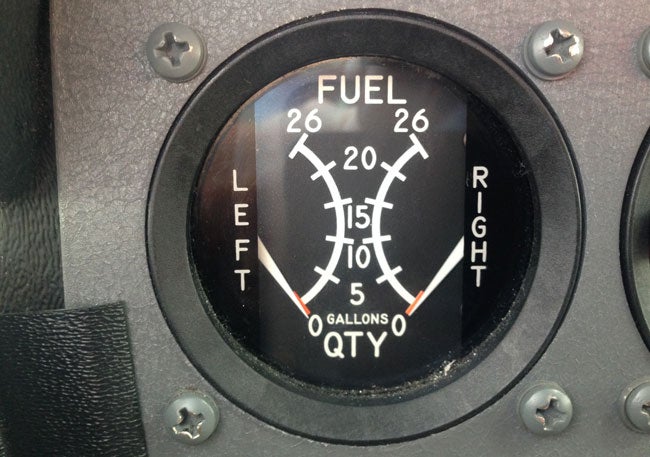
In light of these findings, the NTSB released a safety alert this Tuesday addressing the issues surrounding poor fuel management. Safety Alert 67, “Flying on Empty,” looks at not only the common causes of fuel-related accidents, but also provides recommendations for what to watch out for and further resources for exploring the issue. The alert emphasizes confirming fuel onboard is present and adequate, using checklists, and not attempting to stretch the fuel supply.
The primary message coming across is ’pay attention and don’t get complacent.’ A look at the stats on the level of training of pilots involved in these accidents makes it clear that it’s not an issue of lack of experience. 48 percent had either a commercial or ATP certificate. 50 percent had private or sport pilot certificates. The group least likely to run out of fuel is the one that is probably the most likely to be keeping their eyes wide open for unfamiliar details. Only 2 percent of fuel-related accidents involved student pilots.
Read the Fuel Management Safety Alert.