








![[Credit: Adobe Stock]](https://planeandpilotmag.com/wp-content/uploads/2026/07/AdobeStock_555452189.jpg)

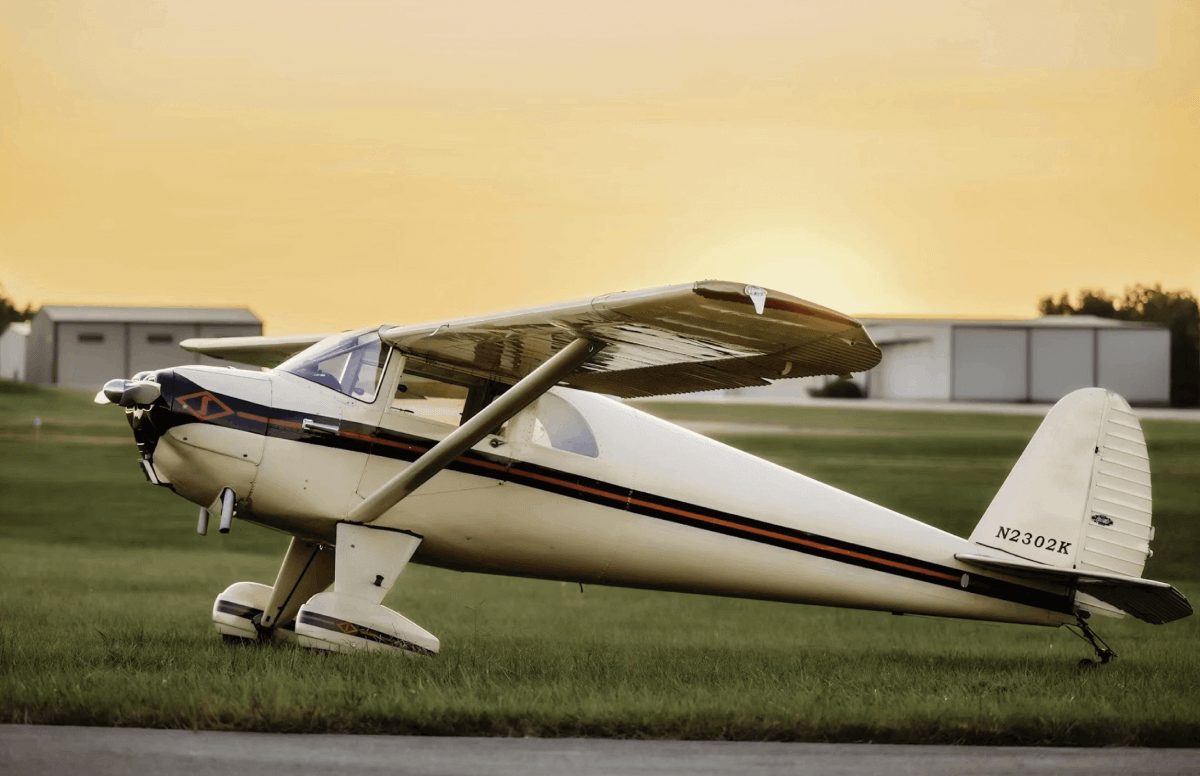
There may be nothing as synonymous with backcountry aviation as a taildragger configuration, except maybe the big burly tires that support it.
Aside from the NXCub, nearly every make and model for backcountry flying leads with the tailwheel configuration. This includes Bearhawk, Maule, Kitfox, Cubcrafters, Aviat and Rans. This may not seem like a terribly important consideration for an aircraft lender, but whether it’s aircraft or other equipment, lenders typically follow the old adage of “When in Rome.”
So if most of the backcountry is flying taildraggers, then the banks lending into the backcountry want to be lending on taildraggers.
This means anything standard, anything market leading in terms of volume, and anything that enhances the desirability of an aircraft for a given mission and price point, gets a thumbs up from the bank. This is because lenders are concerned about market liquidity—how much demand is there for an aircraft with this spec sheet. Higher prop clearance is nice, but a higher number of potential buyers sings sweeter in the event the bank needs to find a new owner for the backcountry flyer.
Two Halves to the Financial Services Aspects
There’s a persistent piece of hangar wisdom that a tailwheel airplane is a more expensive airplane to own—harder to insure, harder to finance, a specialty item that lenders and underwriters treat with suspicion. Half of that is true. The other half costs people airplanes they could have owned.
Start with what’s real.
A tailwheel endorsement is a genuine skill acquisition, and insurance underwriters price it accordingly. If you’re moving from a tricycle-gear trainer into a Cub, a Champ, a Husky, or a Cessna 180, expect the insurer to want a specific number of dual hours in type before they’ll write you at a reasonable rate — and expect the first year’s premium to reflect your low time in tailwheel airplanes. That’s not a tax on taildraggers; it’s the same logic that prices a low-time retract pilot in a Bonanza or Cirrus. Time in type is the single biggest lever on a light-aircraft premium, and it’s a lever you control. Get the dual, log the hours, and the second-year renewal usually tells a much friendlier story.
Now here’s the part that surprises people: The tailwheel itself does nothing to your loan rate. A lender is financing an asset and a borrower. The asset is valued on its type, age, condition, engine status, and market—a 1957 Cessna 180 and a 1957 Cessna 182 of comparable condition sit in the same certified-piston rate world, and the third wheel’s position doesn’t enter the underwriting conversation on its own. What matters to the loan is what always matters: the airplane’s value holds, the logs are clean, and the borrower’s finances support the payment. The aircraft’s value may actually hold better in the backcountry with the tailwheel configuration than with a trike, all other things equal, because the market shows a preference to the taildragger for that mission.
This matters because tailwheel airplanes cluster in exactly the corner of aviation where the ownership dream lives—backcountry singles, classic taildraggers, STOL machines, the airplanes people buy to actually go somewhere—oftentimes somewhere rough and interesting. A pilot who assumes those airplanes are financially exotic often talks themselves out of the category entirely, or assumes they need to pay cash. Neither is necessary, and paying cash for the whole purchase price may leave you plane poor. A clean Husky or a well-kept Skywagon finances on standard certified-piston terms — today that’s a rate starting in the low 6 percent range, 15 percent down, and terms that stretch far enough to keep the payment livable (usually up to 20 years).
Two Sides of the Backcountry Aircraft Lineup
A word on the airplanes themselves, because the financing follows the airframe. Certified tailwheel singles like Cessna’s Skywagon family, the Maule line, the Aviat Husky—finance as certified piston aircraft, just like a 172, 182 or 206. The experimental tailwheel world is only slightly different when the brand is recognized. Cubcrafters Carbon Cub finance along the same lines as the certified taildraggers. Zenith, Bearhawk, Kitfox and most of the experimentals we see in Plane + Pilot all finance up to 15 years at fixed rates just 0.5 percent to 1 percent above the certified models.
One place the earlier myth does real damage: pilots assume “harder to insure” means “harder to finance,” and collapse the two into a single reason not to buy. In reality, these are separate underwriting worlds with separate underwriters. Your insurance story and your loan story are told to different people who care about different things. The lender wants to ensure payments will be made and the flying is being done in an aircraft the market recognizes. The insurer also cares that premiums are paid, but has a focus similar to health insurance—what condition is the pilot in (hours and use), and what level of claims is this aircraft likely to see. Sure the prop has more clearance, but will the pilot be skilled enough to handle the tail coming around on them? A pilot with modest tailwheel time and strong financials is an easy loan and a cautious insurance file—and the insurance file fixes itself with a season of flying.
So if the airplane you actually want has the little wheel in the back, price it honestly: budget for a higher first-year insurance premium and the dual to earn a good rate, and finance the airplane exactly as you’d finance its tricycle-gear cousin.
The tailwheel is a skill. It is not a surcharge.