











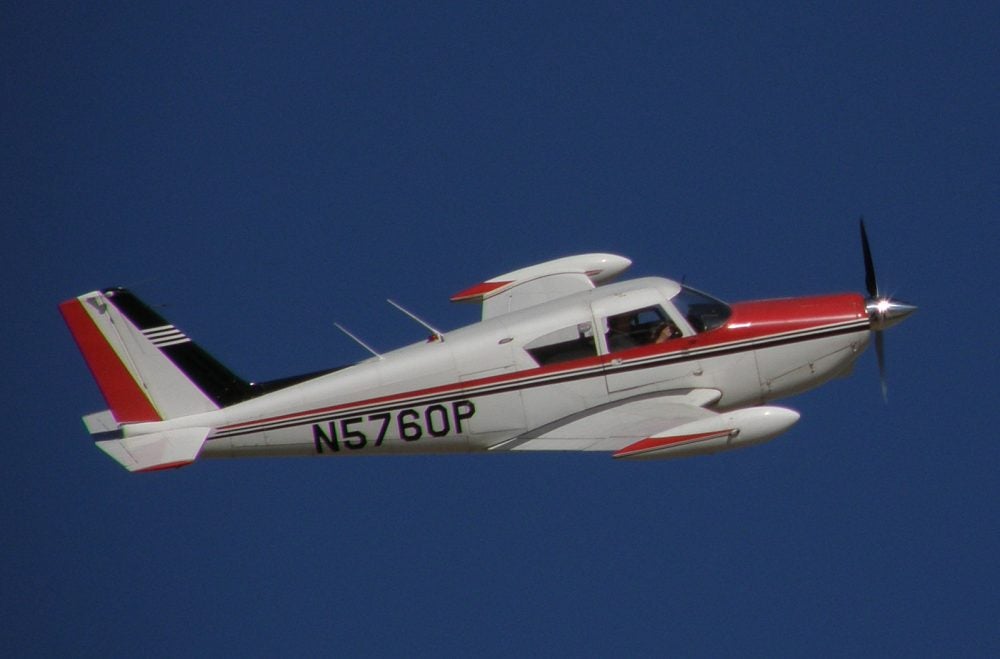

As we selected the aircraft we’d choose to feature earlier this month, we were greeted with a seemingly endless chain of questions, one often leading quite unexpectedly to the next. What planes were worthy of being a part of this conversation? What features did they need to possess? Was retractable gear a necessity? Was its lack disqualifying? Could we even create a single test of what constitutes a high-performance single, as the FAA has unsuccessfully attempted to do for more than six decades now by yoking the concept to horsepower?
That rubric is to equate performance with power, a test that the FAA has saddled itself and us with ever since. And the more we thought about it, the more problematic the idea became. After all, pure cubic centimeters don’t equal speed, or even necessarily payload power. Besides, if the FAA’s 200/201-hp threshold was problematic, how could we hope to do better by choosing a different number? But how low-powered an engine could a “high-performance” aircraft have and still be classified as such? We had no idea, because the idea wasn’t a defining principle to begin with.
Ultimately, we decided instead to focus on how pilots regarded these aircraft, because that answered all of our questions in one elegant way (one that admittedly doesn’t lend itself to regulatory definitions). So, according to this new approach, retractable gear is an optional feature on high-performance planes, at least according to pilots starting in around the year 2000, when the Cirrus SR lineup started changing minds in a big way. In the same vein, any horsepower figure is seen in relation to what level of performance it, along with the airframe it’s mated to, can deliver to the end vision.