











Ever made a PIREP? Most everyone who flies will agree that a good pilot weather report from someone on location can very much enhance flight safety. So are enough PIREPs being filed and utilized?
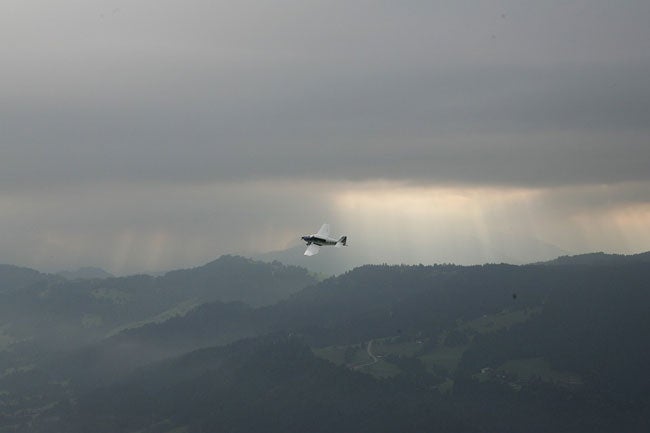
The NTSB says no. In a recent special investigation report titled Improving Pilot Weather Report Submission and Dissemination to Benefit Safety in the National Airspace System, the NTSB concluded that not only are pilots not filing enough reports, there are also some very real problems in how the reports are handled and disseminated once they are filed. For this study, the NTSB examined 16 accidents and incidents occurring between 2012 and 2015 that “exposed PIREP-related areas of concern.” The Board found that delays in disseminating PIREPs contributed to two of those. The investigation team also gathered data from several PIREP user groups, including AOPA.
In addition to looking at lost, mishandled, and delayed reports, the NTSB also found that manypilots are reluctant to file PIREPS in the first place. Cockpit workload, fear of enforcement action, lack of awareness of the importance of PIREPs, and lack of confidence in both the report format and weather assessment skills all came up as reasons for that reluctance. The report emphasized the need for better training for both pilots and controllers, more efficient, technologically appropriate avenues for gathering and sharing reports, and standardizing guidance for the system as a whole.
Learn more at the NTSB.