












Is the high-wing or low-wing configuration better?
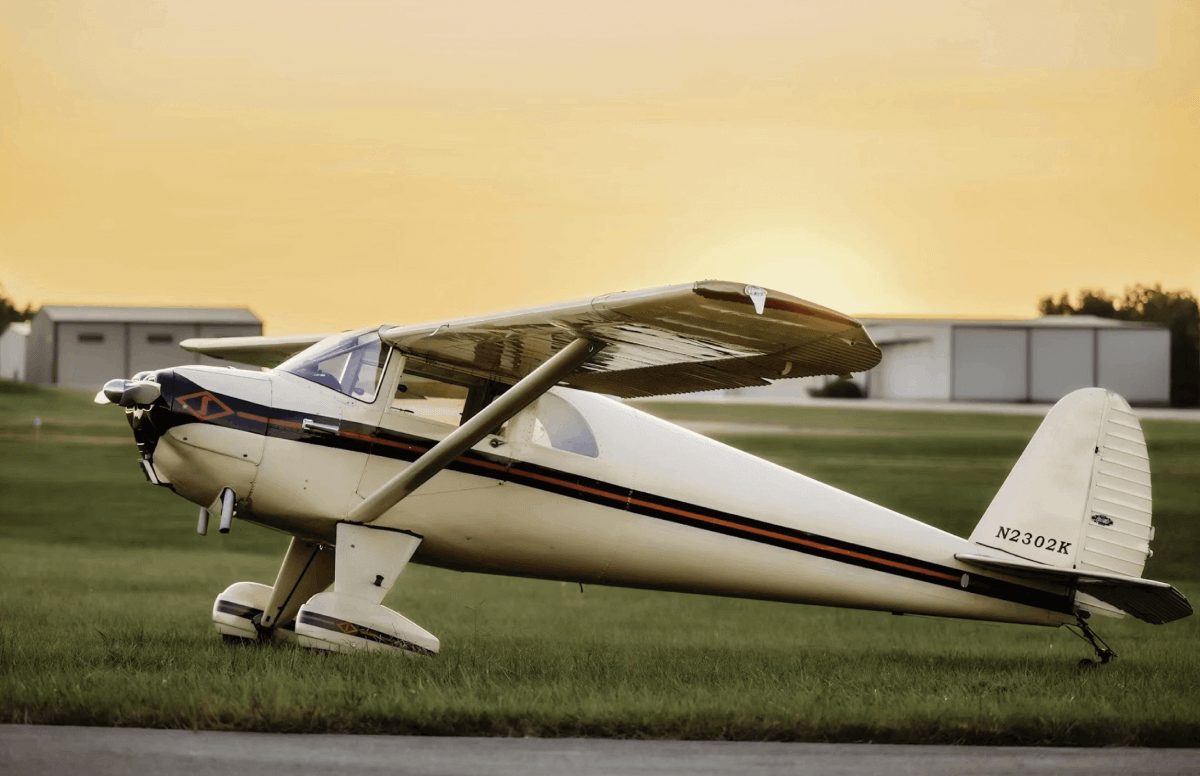
Discounting biplanes, canards, mid-wing models and other unusual configurations, there are two basic wing designs, high-wing and low wing. You probably have your own preference, though some pilots, us included, are agnostic on the question. This doesn’t mean that there’s not a right answer to the question. Even companies that you think of as being evangelically committed to one setup have gone back and forth between the two. Clyde Cessna’s first airplane, Silverwing, was a low wing, and all of Cessna’s turbofan aircraft are low wingers, too. Piper, which went big into low wings with the introduction of the Cherokee in 1960, became famous their first 30 years with high-wing taildraggers. There are good reasons for both configurations.
Structure
This one’s easy. The design of a low wing, on top of which the fuselage sits, makes more sense. Less structure is required for things like landing gear and door reinforcement, though in all fairness, you don’t need to reinforce the upper surface of a high-wing to account for people walking on it. Then again, there aren’t many low wings with wing struts.
Convenience
Again, an easy one. A high-wing plane makes more sense for getting into and back out of, which matters in many cases with older pilots or passengers. The exception, one could argue, is with forced landings. In an off-airport excursion, a low wing is probably the easier setup from which to escape, though the variables are endless.
Training
It’s an unwinnable argument on both sides which configuration lends itself better to training success. Those who learned in low wing planes tend to prefer those as step up models, and those who learned in high-wings, well, they tend to step up from a 172 to a 182, and on from there.