












Visibility
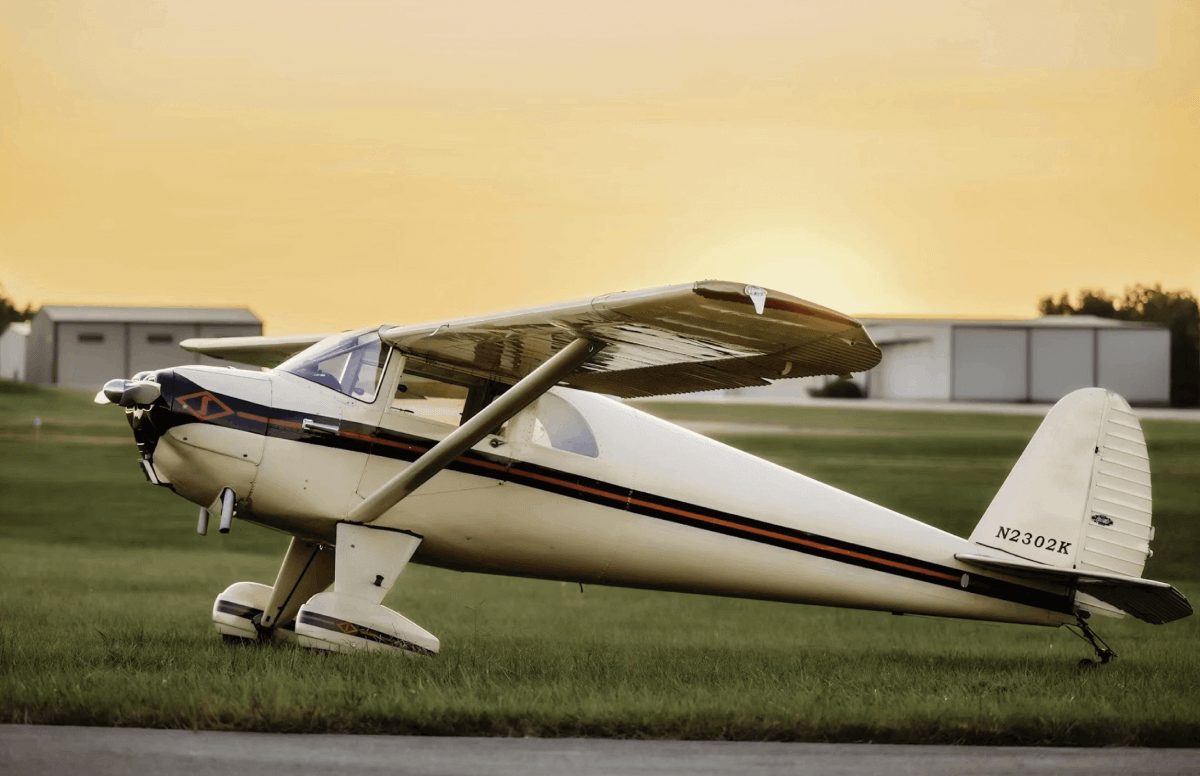
This one’s a no brainer, right? Well, in one sense yes (or in one way), not so fast. High wings are heavenly for sight-seeing and photo snapping, while the view can be blocked by low wings. But in a turn in the pattern the down wing of a Piper Pacer, for example, will block the view of the runway or obstacles between you and the runway.
Clearance
When it comes to clearing snow banks, fence posts and certain kinds of brushy, the winner is the high-winger.
Safety Concerns
It’s easier to fuel low wing planes, and it’s harder to forget to put the fuel caps back on. That said, it’s easier to drain the sumps with high-wingers. Fuel management tends to be easier in high-wing planes than in low wingers, though this can vary widely. It’s also harder to scrape frost and ice off the upper airfoil surface of a high-winger. Some pilots who’ve flown both feel as though low wing planes are more forgiving in gusty conditions.
Shade
Unless you’re doing a lot of flying inverted, the high wing keeps you cooler. This is especially true when comparing high-wing models against low wing types that have bubble-style canopies.
The Verdict
Based on the number of current production low-wing versus high-wing models, it’s no contest. Low wingers are the present and probably the future, too, especially on business and commercial planes. That said, there remain compelling reasons for pilots who fly for sport, pleasure and transportation to go with a high-wing model. As is the case with so many things in aviation, unless you have a specific application that favors one or the other, like float plane flying or bush flying, it really comes down to personal preference.