











Lycoming 540/Continental 520/550-Series Engines

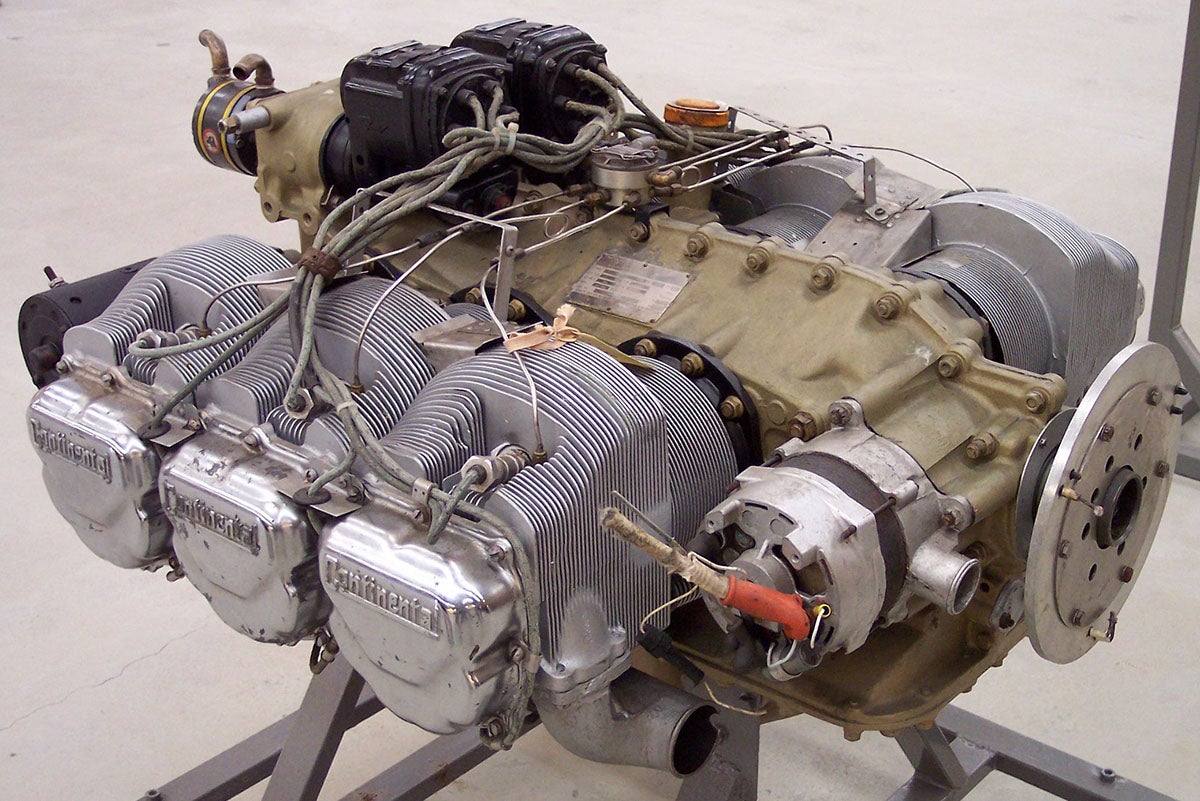
Continental 550-series engine.
The Continental 550-series engine has given many high-performance singles and twins a boost of power at a modest increase in weight and fuel burn. Photo via Creative Commons
Gemini Sparkle

Key Takeaways:

  • Continental 550-series and Lycoming 540-series six-cylinder engines have profoundly impacted light aviation, serving as key powerplants for high-performance aircraft.
  • These engines are the preferred choice for many modern single and twin-engine aircraft, including models like the Beech Bonanza, Cessna 210, and Cirrus SR22.
  • Despite their long-standing presence, the engines have evolved with technological advancements, such as turbocharging and improved manufacturing, leading to enhanced reliability and increased power over time.
See a mistake? Contact us.
Continental 550-series engine.
The Continental 550-series engine has given many high-performance singles and twins a boost of power at a modest increase in weight and fuel burn. Photo via Creative Commons

It might seem odd to break off the Continental and Lycoming six-cylinder engine models from the four-cylinder air-cooled opposed models they were based upon, but their impact on light aviation has been huge. The two companies’ star engines, the 550-series for Continental Aerospace Technologies and the 540-series for Lycoming, have given developers of high-performance single- and twin-engine aircraft a go-to motor for delivering reliable power for some of the most noteworthy aircraft of the modern era, including the Beech Bonanza, the Cessna 210 Centurion and the Cirrus SR22. While conventional wisdom holds that these engines have stood still as time progressed, that’s not really true. The technology behind them, including turbocharging and greatly improved manufacturing processes, have made them more reliable and powerful over the years. 
Subscribe to Our Newsletter

Get the latest Plane & Pilot Magazine stories delivered directly to your inbox

SUBSCRIBE