











Liberty L-12

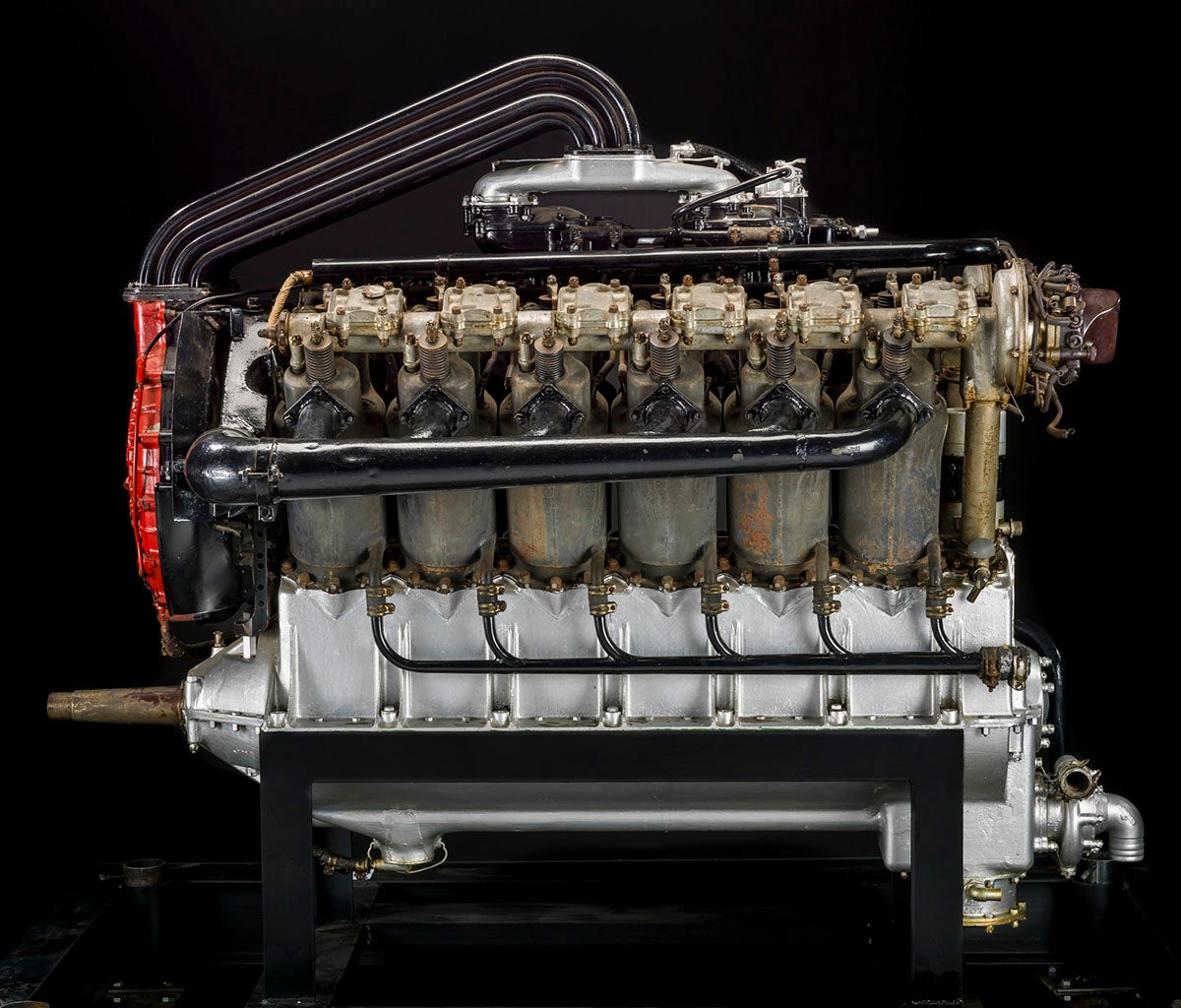
Liberty L-12. Photo via Creative Commons
An early V-12, the 400-hp Liberty L-12 provided a huge boost in power to aircraft at the tail end of World War I. Photo via Creative Commons
Gemini Sparkle

Key Takeaways:

  • The Liberty L-12 engine, emerging late in WWI, was a pivotal product that marked the divergence towards larger and more powerful aviation engines.
  • Its 400-horsepower V-12 model significantly outstripped contemporary engines, demonstrating the immense and boundless potential of gas piston engines for aviation development.
See a mistake? Contact us.
Liberty L-12. Photo via Creative Commons
An early V-12, the 400-hp Liberty L-12 provided a huge boost in power to aircraft at the tail end of World War I. Photo via Creative Commons

The Liberty L-12, which emerged toward the end of WWI as a real player, is a fork-in-the-road product, one that marks the divergence of lower-powered engines from engines that would get bigger and more powerful. The L-12 is actually a family of engines, with six- and eight-cylinder models produced, as well. But it was the L-12, a water-cooled, V-12 engine that opened people’s eyes to the potential of gas piston engines. With an engine able to produce 400 horsepower, nearly four times that of the most popular rotary engines of the day, it became clear to designers that the future of aviation power and, hence, aviation itself, was boundless.  

Subscribe to Our Newsletter

Get the latest Plane & Pilot Magazine stories delivered directly to your inbox

SUBSCRIBE