











According to reports, Joby Aviation quietly bought German development firm H2Fly last year, and a proposed air carrier startup named Connect Airlines secured purchase options on up to 100 ATR-72 commuters converted by Universal Hydrogen to replace the PW127M turboprop engines with hydrogen-fueled electric motors. The Universal Hydrogen concept uses an innovative “crate” method to efficiently deliver fresh fuel cells to airports for quick swaps into a depleted aircraft.
We now understand that electric power has a future in certain corners of aviation, but that doesn’t change the fact that the science—and business—surrounding batteries are messy. Hydrogen as an “energy carrier” rather than a source is comparatively simple. Next to the rapidly evolving development of battery chemistry, hydrogen fuel cells appear old tech despite enjoying some recent improvements.
Another benefit of hydrogen fuel cells (the “fuel” being hydrogen gas), besides being stackable and scalable, is that they produce consistent power until the fuel is depleted, meaning consistent operation with a constant output voltage. That’s of particular interest to pilots, most of whom prefer the electric motor spinning their propeller to receive a reliable voltage through the duration of flight.
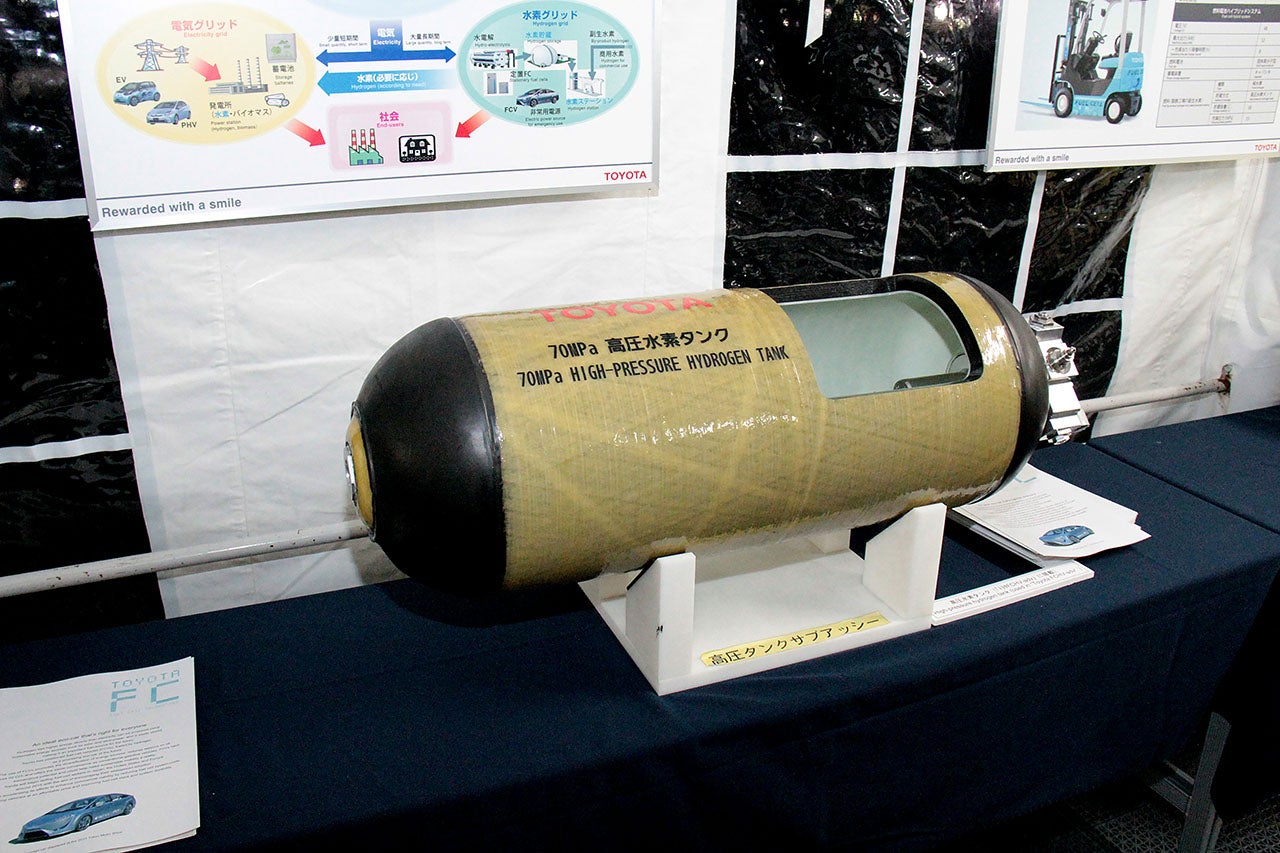
Perhaps the final hurdle for hydrogen power in aviation will be a breakthrough in the field of efficient storage of hydrogen. While hydrogen is an abundant element, it must be “split” from water using an electric current or “cracked” from natural gas in a refinery. Neither of these steps is particularly efficient today, but both have improved in recent years and considerable resources are dedicated to further research.