












Perhaps it’s because GE has finally tired of the good nature ribbing it’s endured from the aviation media or maybe it’s because it’s tired of explaining to friends it bumped into at the park that they’re still working out what to call their three-year-old, but for whatever reason, GE has finally settled on a name for its clean-sheet turboprop engine that will power the emerging Cessna Denali single-engine turboprop. Drumroll please! it’s “Catalyst.”
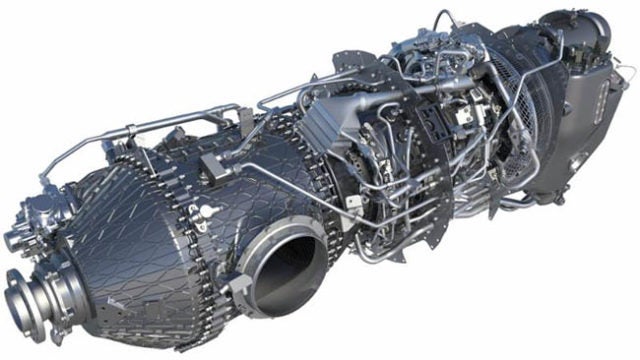
It’s a good name for it, too, for an engine that will enter service in a couple of years as the leader in just about every performance and reliability standard. The 1,240 shp engine is the first of a family of such engines that will range from 1,000 to 1,600 shp. The engine has an industry best pressure ratio of 16:1, which allows the engine to burn 20 percent less Jet-A and to deliver a higher percentage of power at cruise. Its 4,000 TBO will also be best in the biz by a third.
How does it do it? In part, it’s because of its innovative components that GE makes with an advanced form of 3D printing called “additive manufacturing.” On the Catalyst engine, GE has replaced 855 conventional parts with just 12 printed parts. According to GE, these include sumps, bearing housings, heat exchangers and exhaust case housings. The elimination of parts means fewer hot spots for failure and lower weight. GE says that additive parts cut the weigh of the engine by 5 percent and increase its specific fuel consumption by 1 percent.
The engine is currently undergoing testing at GE’s facilities in Prague, Czech Republic, where it has been run for 60 hours. The company is assembling the second Catalyst engine now. Textron Aviation plans to make the first delivery of its Denali turboprop in 2020. By then, GE estimates the Catalyst will have amassed more than 2,000 hours of testing.