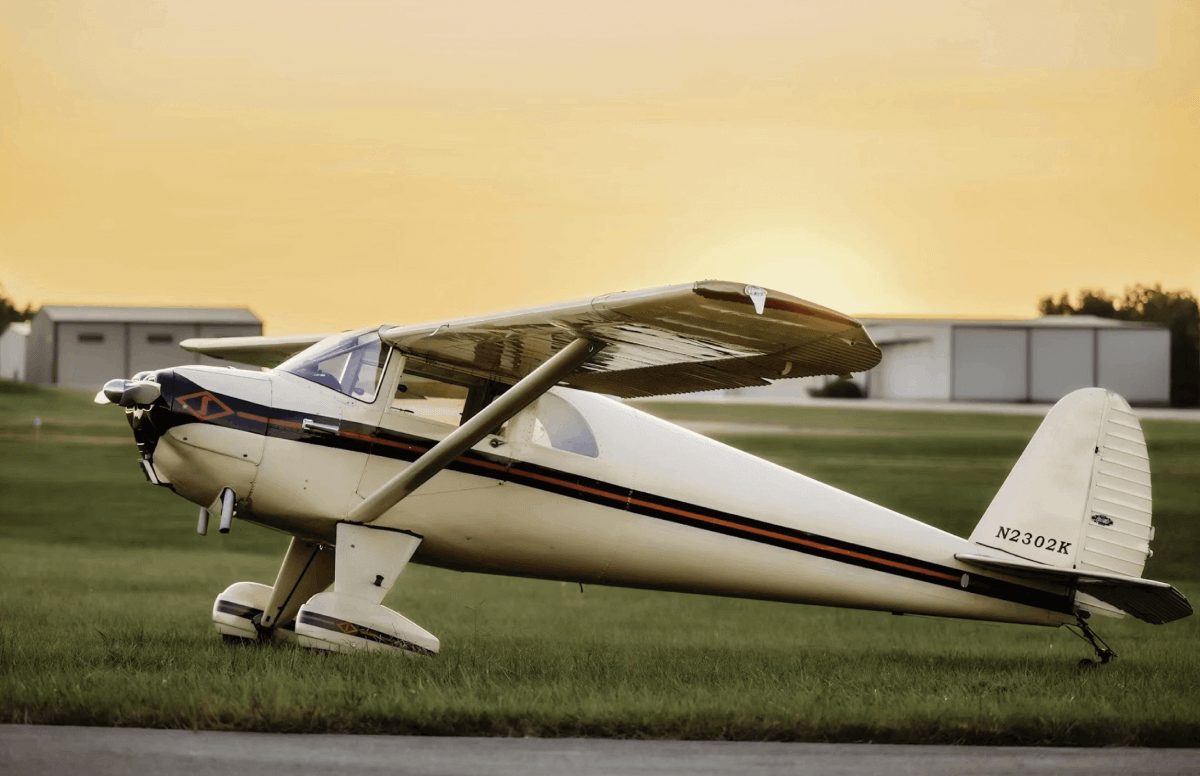











First Successful Aerial Refueling: 1921
Altitude Accomplished: 1,000 feet
Gallons Transferred: 5
Transfer Method: Wingwalking, plane hopping
Refueling Hoses Introduced: 1923
Nickname Of Flexible Hose System: “Probe-and-Drogue”
Primarily Used By: U.S. Navy, Marines
Hose Location On Tankers: Wingtips
Speed Fuel Can Be Transferred: 420 gallons/minute
Alternate Aerial Refueling System: “The Flying Boom”
Primarily Used By: U.S. Air Force
How It’s Different: Hose replaced by telescoping tube
Tube Location On Tanker: Underside of tail
Popular Boom Tanker: Airbus A330 MRTT (multi-role tanker transport)
Length Of Boom When Retracted: 38 feet
Fully Extended: 60 feet
Speed Fuel Can Be Transferred: 1,200 gallons/minute
Pounds Of Fuel Tanker Can Hold: 250,000
Single-Engine Aircraft Able To Be Refueled In One Flight: ~15
Able To Be Refueled At Once: 3
Maximum Altitude Of Operation: 35,000 feet
Average Cruising Speed: 300-350 mph
First Aircraft Equipped With Boom: Boeing B-29 Superfortress
First Exclusive Jet Tanker: Boeing KC-135 Stratotanker
Developed: 1965
KC-135s Still In Service: 500
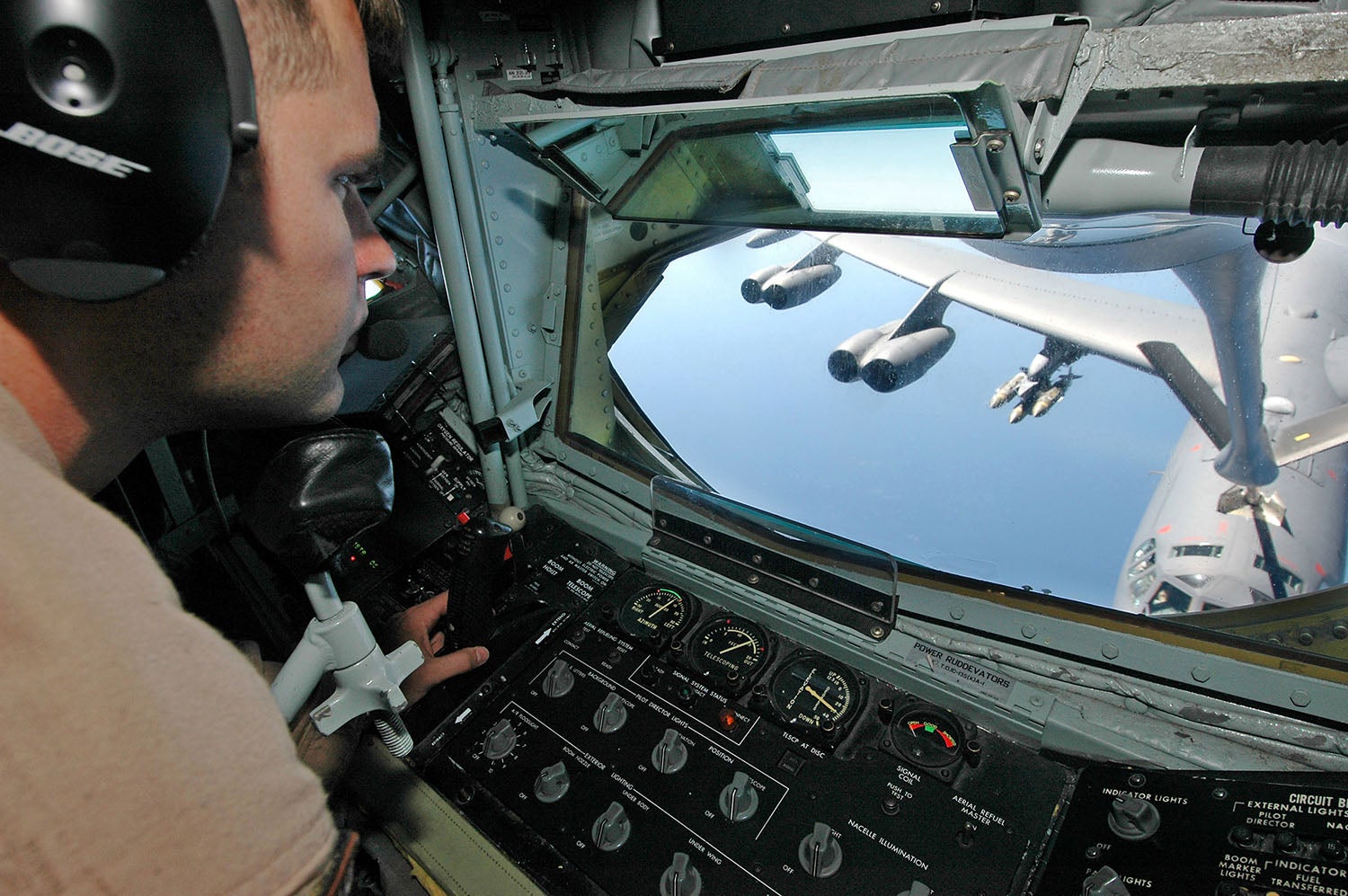
Primary Person Responsible For Workload: Boom operator
Height Requirement Of Operators: 5-foot-4 to 6-foot-5 tall
Age Requirement: 17 to 39 years old
Biggest Challenge Of The Job: Focus exhaustion
Greatest Hazard: Aircraft strike
Worst Accident: B-52 collided with K-135 over Spain
Hydrogen Bombs Onboard The B-52: 4
Detonated: 2 (non-nuclear explosions with radioactive contamination)
Fatalities: 7
Survivors: 3
New Tanker Under Development: Boeing KC-46 Pegasus
Production Began: 2013
Current Status: Limited release
Reason For Slow Rollout: Issue with fuel system leaks
Days Of Training Required For KC-46 Boom Operators: 59
Possible Future Of The Industry: Refueling via unmanned drones
Biggest Challenge: Outperforming humans
Can Land Vehicles Refuel Airborne Aircraft: Yep!
Record For Single-Engine Staying Afloat Via Land Vehicle: 65 days
Aircraft: Cessna 172
Jets Able To Break That Record: 0
Reason: Vehicle speed must match aircraft speed