









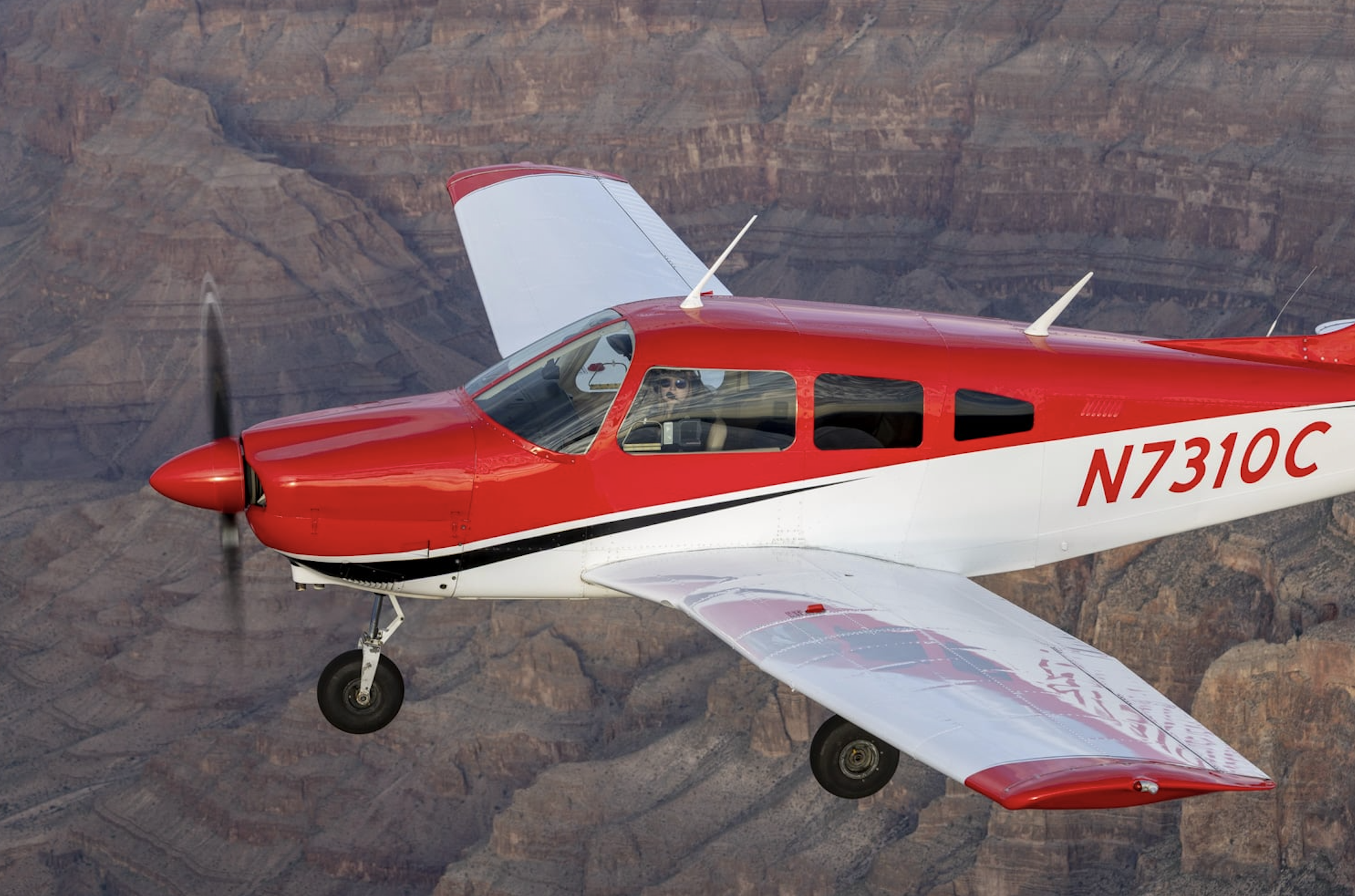

Situated on the Hualapai Reservation in northwestern Arizona, Grand Canyon West Airport (1G4) offers pilots a unique gateway to the western portion of the Grand Canyon.
While watching the vastness of the Arizona desert unfold beneath the wings of an airplane is an experience in and of itself, there’s something particularly special about flying into a destination that allows you to explore one of the country’s most recognizable natural wonders without the need for a rental car or hours of driving.
For those looking to turn their visit into an overnight adventure, Grand Canyon West offers newly renovated cabins nestled among the desert landscape, providing the perfect opportunity to slow down and take in the beauty of the American Southwest.
Although seeing the Grand Canyon from the air is nothing short of breathtaking, experiencing it from the ground offers an entirely different perspective. From the panoramic views at Eagle Point and Guano Point to the opportunity to venture out onto the glass-bottomed Skywalk, there are plenty of ways to explore the area. It’s not until you’re standing near the rim that you begin to truly appreciate the sheer magnitude of the canyon.
From a flight-planning perspective, it’s worth noting that fuel is not available at Grand Canyon West Airport. Calling ahead is also strongly encouraged, as navigating the airport and terminal area can be a little more involved than at your typical general aviation facility, given its location on the reservation.
Kingman Airport (KIGM), located approximately a 30-minute flight to the south, makes for a convenient fuel stop, with the added bonus of grabbing a bite to eat at the airport café and catching a glimpse of the retired airliners scattered throughout the airport’s boneyard.
As always, familiarize yourself with the surrounding terrain, current airport information, and the Grand Canyon’s special flight rules before heading out. Don’t overlook density altitude, particularly during the warmer months, with both Grand Canyon West and Kingman airports sitting at elevations of approximately 4,000 feet.
We’ll be taking a much deeper dive into this experience, along with several other Arizona flying adventures, in the upcoming January/February issue of Plane + Pilot magazine, complete with everything from flight-planning considerations and lodging recommendations to how to make the most of your time exploring the Grand Canyon.