










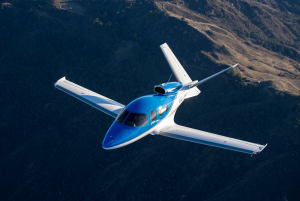
Flying the SF50
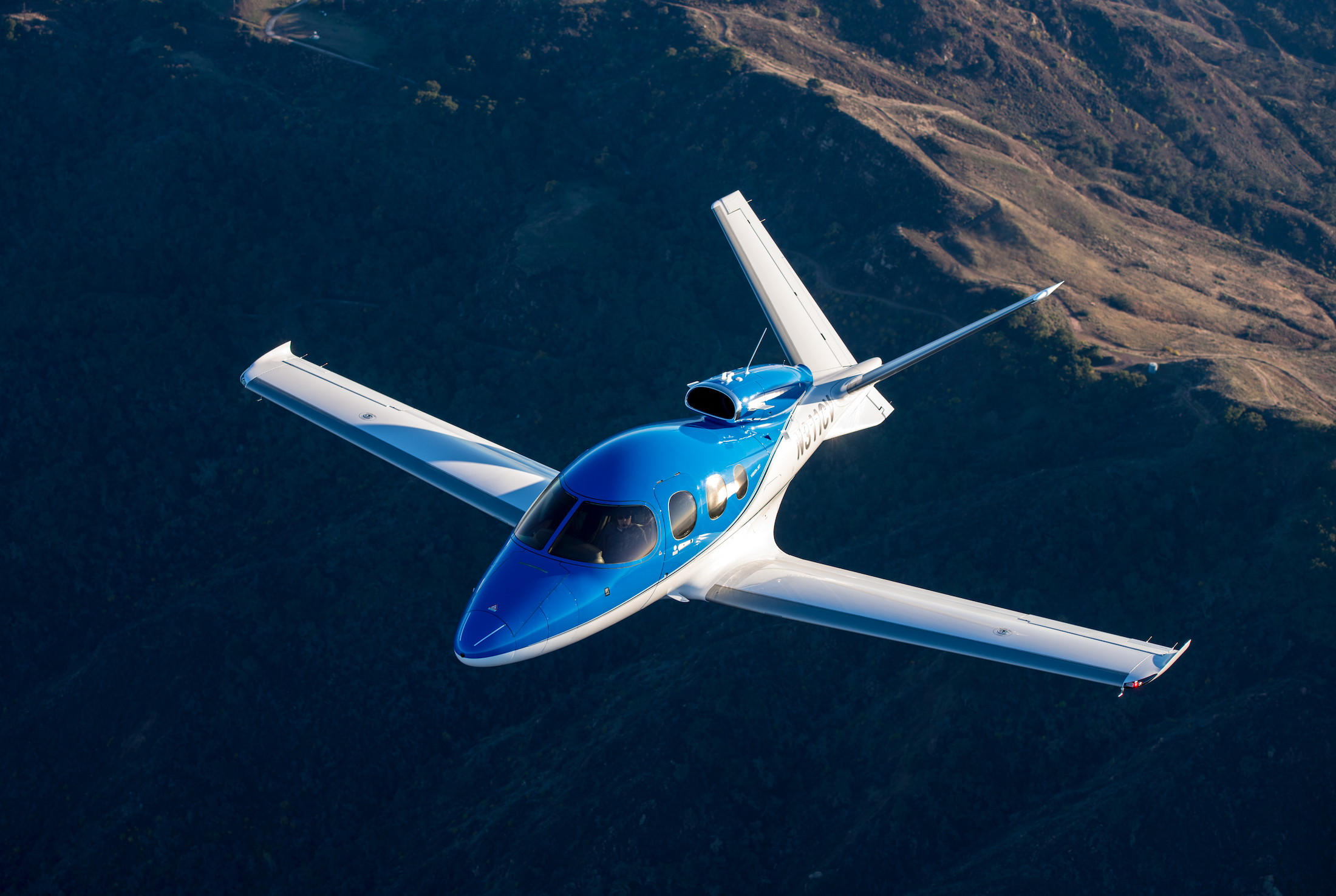
Of the jets I’ve spent time in, the SF50 is the easiest jet to fly, and not by a little. That fact is not an accident. The design of its systems, a collaboration mainly between Cirrus and Garmin International, is nothing short of brilliant. It’s got integrated checklists, system-generated weight and balance calculations, automated V speeds and much, much more, all of which equates to much, much less work for the pilot. In addition, the plane is the cleanest jet in the world, with fewer levers and buttons and switches and breakers than any other production jet ever, probably any jet period.
Takeoff is pretty simple, though on our pre-takeoff briefing, instead of discussing V1 cuts (there is no second engine), we briefed what to do if the one and only engine were to fail, depending, of course, on what altitude you get to before the engine stops doing its job. It is, I admit, a pretty remote possibility with the FJ33s, a development of the FJ44, which is possibly the most time-tested private jet engine ever. And remember, there’s a chute, too, so the takeoff brief makes clear at what altitude you can pull the chute and at what altitude you can consider returning to the field to land.
Just as you do with the Cirrus SR22 single-engine piston plane, you steer the SF50 with differential braking. On the takeoff roll, you need to get it rolling—with autothrottle armed, you just advance the throttle to the stops—before the rudder becomes effective. Rotate at around 90 knots—the software calculates the exact V-speeds for you before flight—flip the gear up (this Cirrus does have retracts!), retract the flaps and then climb away.
But the automation goodness doesn’t stop there. On the climb, the combination of the Garmin Perspective Plus avionics suite, FADEC and autothrottle not only keep the engine within limits but also keep you below the airspace speed limit, 200 knots in the Austin Class C we were departing from, for instance.
I’ll admit that the test of the G2 version of the Vision Jet was a test mostly of its automated systems. I’ve flown the plane enough to know what it flies like. Those characteristics haven’t changed perceptibly. What has changed is that you can now fly it up to FL310, and you get to use the autothrottle.