











What a glider is: Non-powered aircraft that is not lighter than air
Derivation of the term “glider:” Unknown
Other common term for gliding: Soaring
Difference: In soaring, pilots gain altitude in flight
Glide ratio: Cessna 172: 9:1
Best high-performance sailplane: Better than 70:1
Northern flying squirrel: 2:1
Steinway Piano: Infinitely poor zero:1
Methods for altitude gain: Rising air (thermals), updrafts from terrain (ridge lift)
First claimed glider flight reports: Monks in England, around the year 1000
Reported distance of the flights: 200 meters
Likelihood of reports being true: About zero
First credible short glider flights: Around 1849, George Cayley
Aeronautical principles Cayley identified: Four forces (lift, drag, thrust and gravity), the cambered airfoil, dihedral and others
Pioneer of gliding: Otto Lilienthal
First flights: Germany, early 1890s
Launch pad: Man-made hill Lilienthal constructed for the purpose
Gliders Lilienthal designed: At least 15
Basis of most designs: Weight shift (like modern hang gliders)
Number of flights: Around 2,000
Year of death: 1896 in a glider crash
Early glider experimenters: Orville and Wilbur Wright
Popular class of glider post WWI: Primary glider
Basic design: Single-beam sit-atop fuselage, wings and tail
Appeal: Inexpensive and easy to build
How Germany developed pilots between WWI and start of WWII: Gliding Clubs
Number of Soviet pilots trained in gliders between the wars: 57,000
First motor glider: 1935, the Carden-Baynes Auxiliary
Various means of launching gliders: Bungees, foot launch, auto tow, plane tow, winch, motor launch
Various motor glider drag reduction methods: Retractable engine or foldable propeller
Low-drag option: Small jet engine
Largest glider: Space Shuttle, 2,030 tons
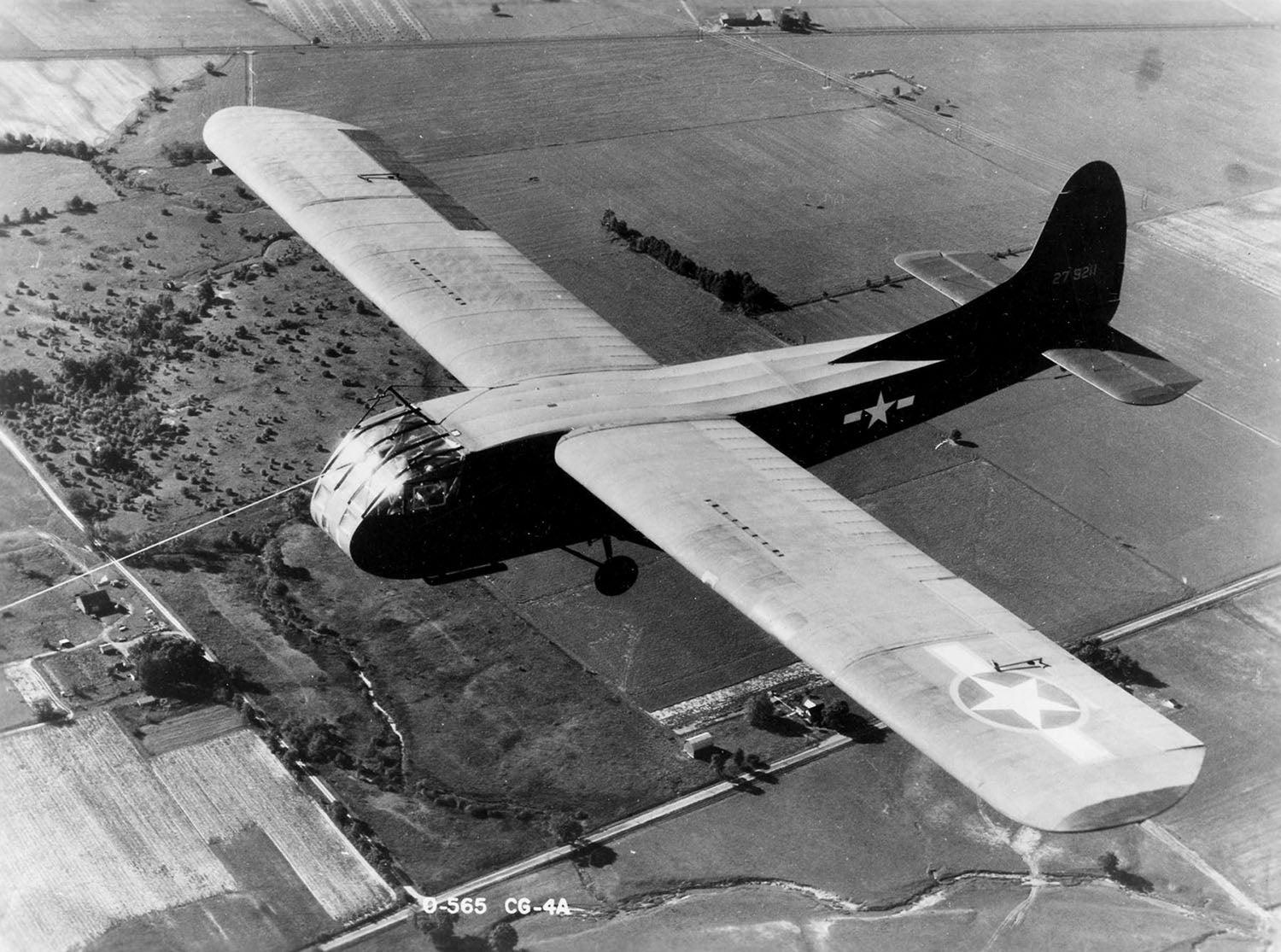
Largest military glider: Chase XCG-20, theoretically 70,000 pounds max weight
Highest operational weight: 40,000 pounds (limited by tow plane)
Lightest glider: Paraglider, as little as 10 pounds without harness
Cost of a (non-powered) paraglider: $1,000 and up
Highest glider flight: Perlan, more than 76,000 feet
Cost of Perlan glider: Approximately $1.5 million
Atmospheric conditions necessary for such high flight: Mountain waves plus polar winds
Indicated top airspeed of Perlan at 76,000 feet: About 40 mph
That figure corrected for conditions (true airspeed): About 280 mph
Longest hang glider flight (one-way): 475 miles, southern Texas to north Texas
Longest sailplane flight: 1,870 statute miles, South America, eastern Andes
Time to complete: 15-plus hours