










Alaska is a different kind of flying. Roughly two-thirds of the state—about 222 million acres—is federally owned or managed, and the strips, lakes, rivers, and beaches pilots fly into sit on a patchwork of federal, state, tribal, municipal, and private land. There is no single agency to call and no one-size-fits-all permit.
What there is, in growing numbers, is a group of pilots who have decided these places are worth their volunteer efforts.
I serve as one of three Recreational Aviation Foundation (RAF) state liaisons in Alaska, and as its national backcountry etiquette chair. The RAF’s mission is simple: Preserve, improve, and create airstrips for recreational access.
Up here, that mission is rarely just about the strip. It’s about relationships, patience, and a whole lot of showing up.
It Started With One
The RAF’s Alaska story took hold in 2017, when Al Clayton, the organization’s first state liaison, organized a brush-clearing work party at Jake’s Bar, inside Wrangell-St. Elias National Park & Preserve.
What began as a single work party has become an annual tradition. Each year, Clayton and I work with National Park Service staff to secure permits so RAF volunteers can fly into the park and clear the brush closing in on airstrips like May Creek (MYK) and Peavine, an uncharted local favorite.
In July we turned to Glacier Creek (KGZ), where more than 25 RAF volunteers and NPS maintenance staff spent a Saturday clearing brush from the 1,400-foot strip—all with hand tools.
Bold Airstrip (A13) tells another version of the story.
Tucked at the far end of Eklutna Lake, it’s the only permitted airstrip inside Chugach State Park. In 2019, volunteers erased years of overgrowth in a single workday with a grader, brush mowers, and hand tools, all under special permits from park rangers.
Building Destinations
Childs Glacier, near Cordova on the Copper River, is one of those places that reminds you why access matters.
With grants from the U.S. Forest Service and the Alaska Airmen’s Association (AAA), a crew from the nonprofit Alaska Trails brushed out and lengthened the runway, added tie-downs and a windsock, and turned a rough Cub strip into a true fly-in destination. A riverside U.S. Forest Service (USFS) campground puts visitors within view of what was once among the world’s most active calving glaciers.
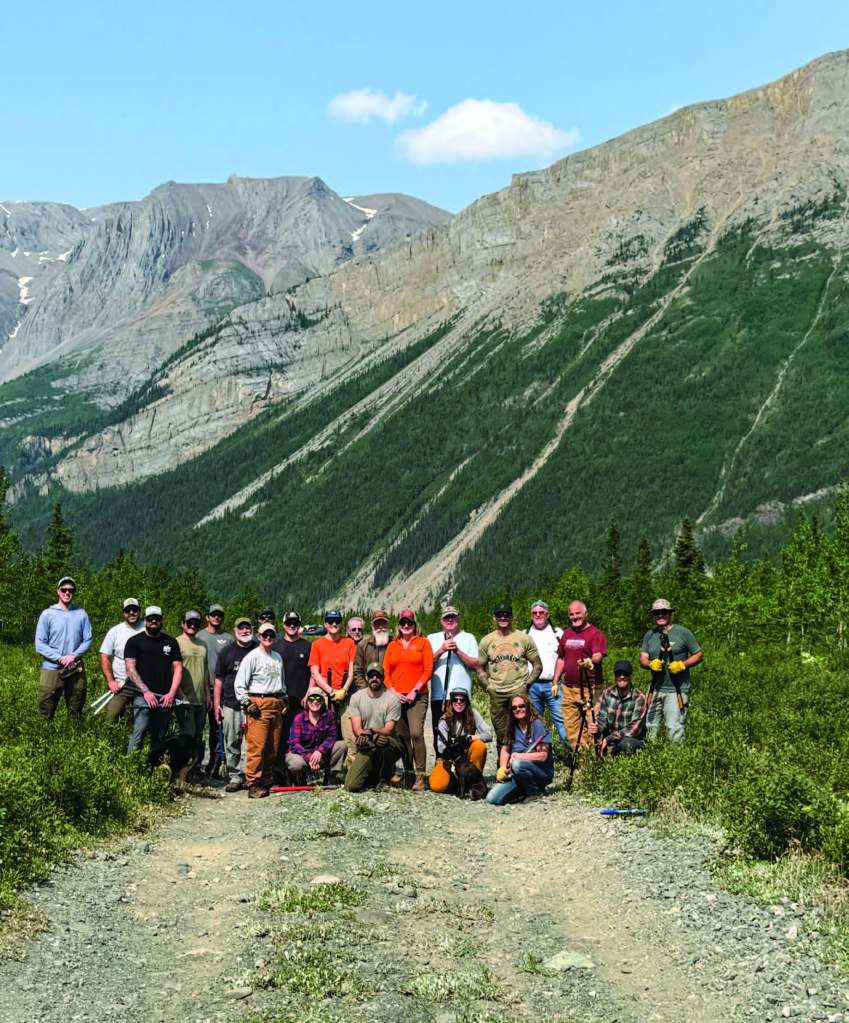
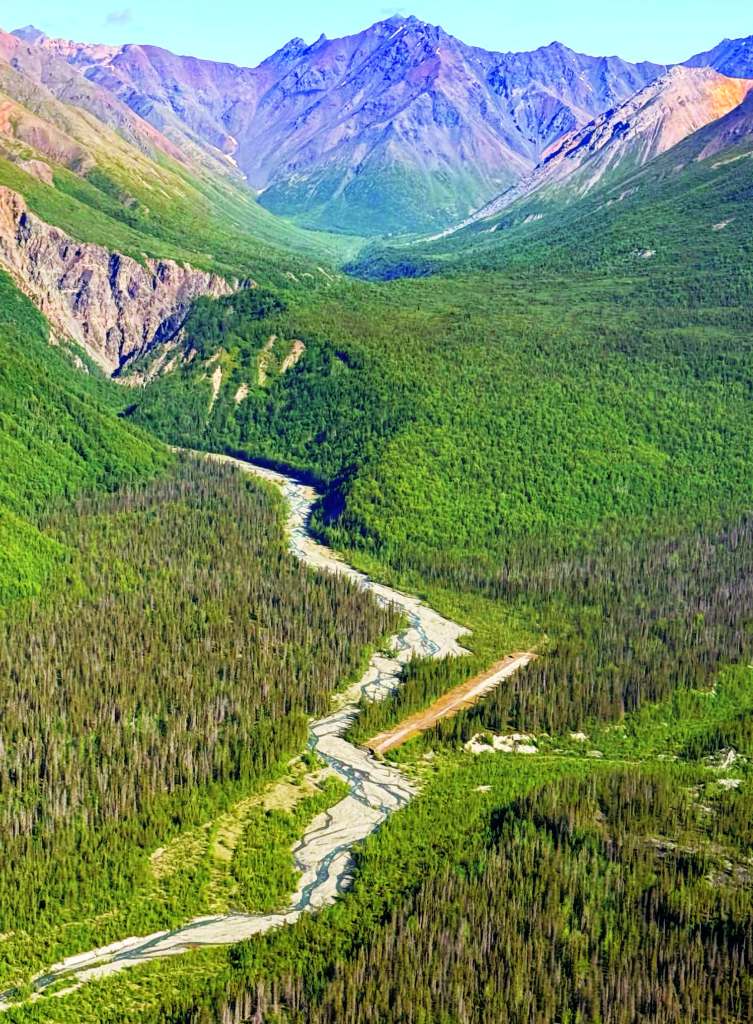
Through collaborative efforts and hard labor, pilot volunteers and land management crews work together at remote sites like Glacier Creek to maintain essential aviation infrastructure. [Credit: Stef Goza]
Projects this remote don’t happen without locals who know the lay of the land. RAF supporter Troy Tirrell of Cordova worked both ends of the Childs Glacier effort—boots on the ground, plus the access, transport, and who-to-call logistics that make a remote project possible. That’s how things get done out here.
Keeping Floatplane Access Open
Southeast Alaska proves that preserving aviation access doesn’t always mean a gravel strip.
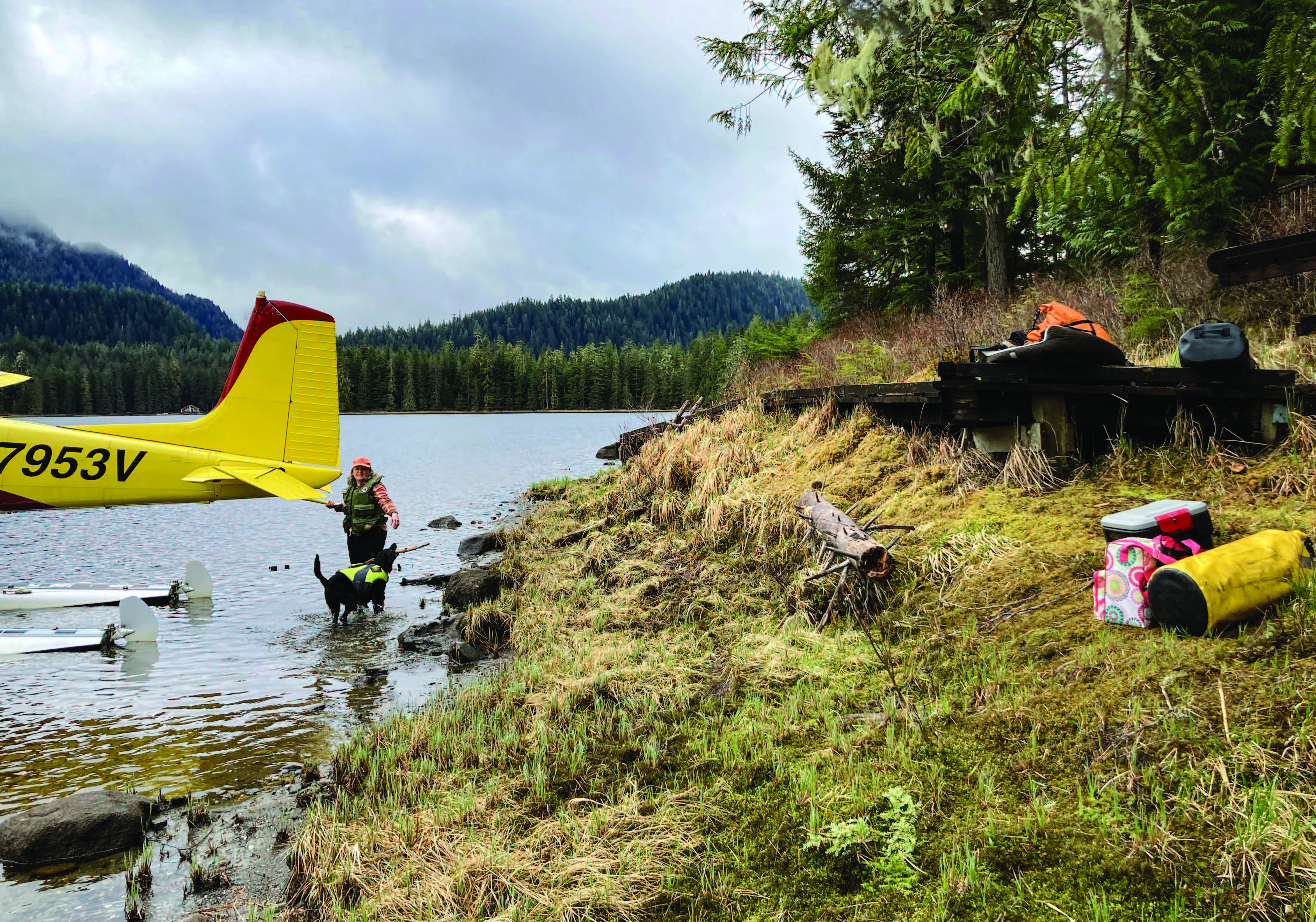
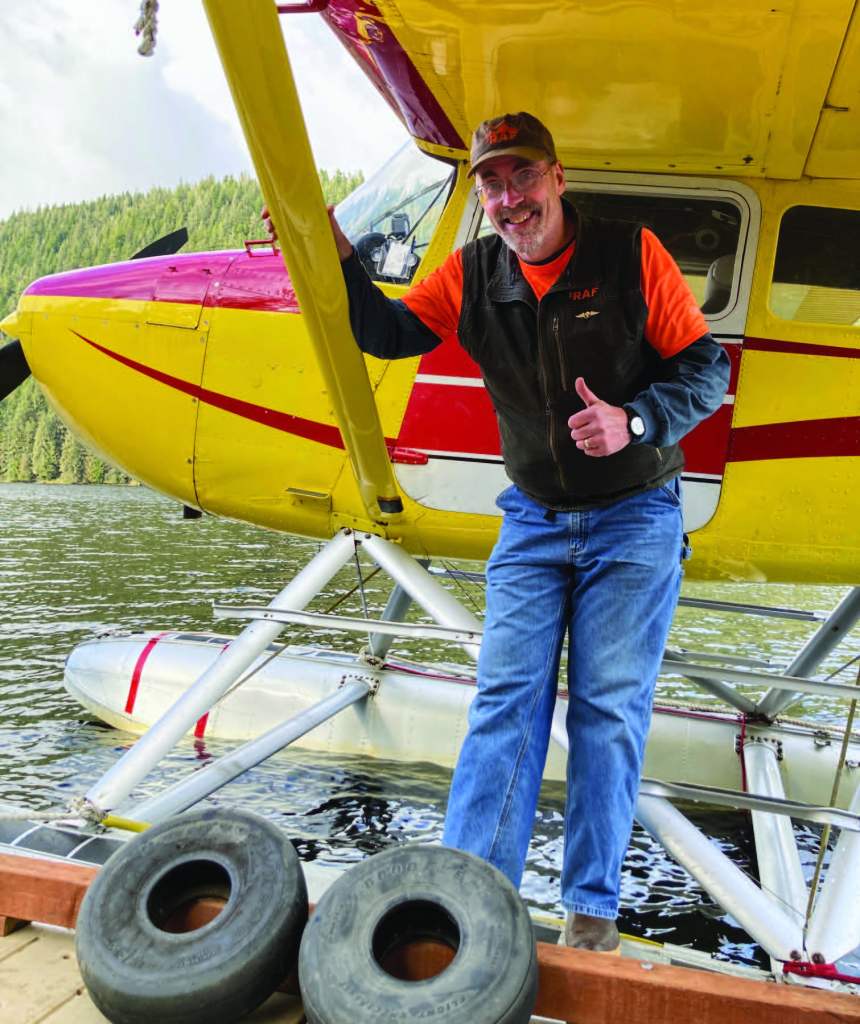
Fellow Alaska state liaison Jeff DeFreest spent a year coordinating with USFS recreation staff before pulling off a seven-day work party at the Heckman Lake cabins in Tongass National Forest, where more than 160 public-use cabins are reachable mostly by boat or floatplane. DeFreest’s wife, Kari, an RAF vice president of appreciation, has been essential to the effort.
They drew volunteers from Alaska, California, Idaho, and Wisconsin to restore dock access for visitors with mobility challenges, repair additional Heckman Lake cabins, and tackle a third project at nearby Jordan Lake, with funding help from the Seaplane Pilots Association.
Then came Black Bear Lake cabin on Prince of Wales Island, 50 air miles from Ketchikan, where the DeFreests led a multiday crew that repaired multiple structures with flown-in supplies. This year, the DeFreests and a small crew returned to continue their work, repairing the outhouse, enhancing access from the beach to the cabin and other general maintenance.
Heavy Equipment, Big Hearts
Last year my attention turned to Nugget Creek, back in Wrangell-St. Elias, where weather, runoff, and repeated use had left the strip rutted, brush crowded, and flagged by pilots as a safety concern.
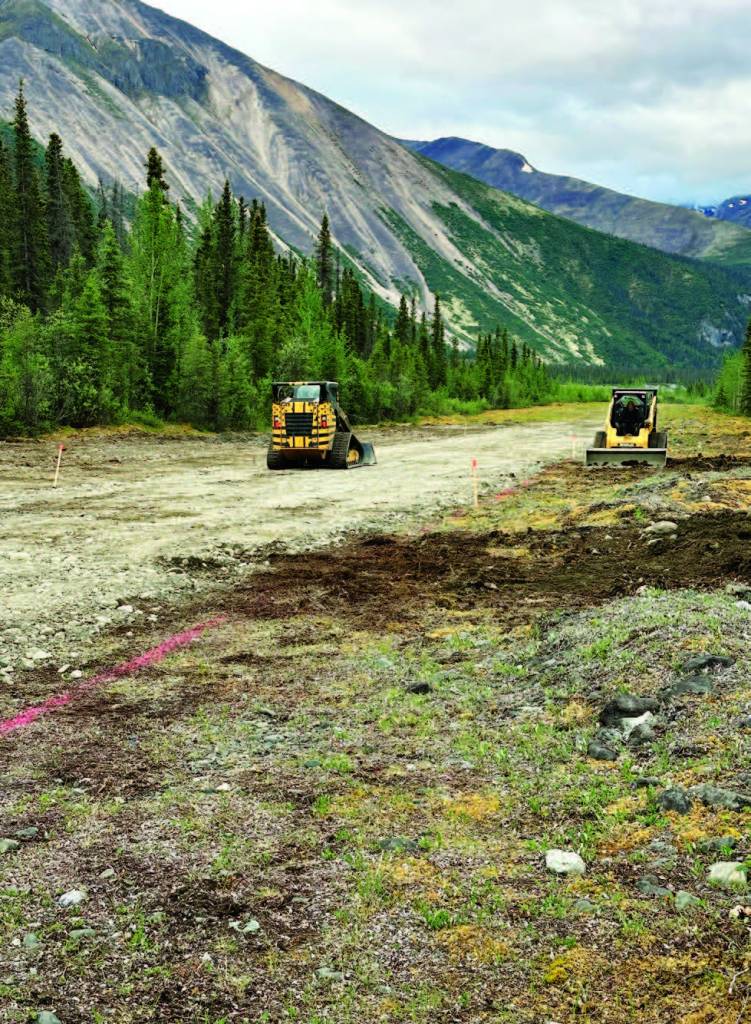
While Clayton and I handled the paperwork with the park, RAF supporter Dave Cruz, owner of Cruz Construction, and a small crew drove compact track loaders and UTVs up a 15-mile, two-track trail. Two days later, Nugget Creek had cleared turnarounds at both ends, a rebuilt crown, proper drainage, and a firm, smooth surface well suited for backcountry airplanes.
Practical, generous, capable, and willing to show up. That’s the RAF spirit in a nutshell.
Quiet Work
Not everything happens with tools in hand.
As RAF backcountry etiquette chair, my focus is the culture that keeps access sustainable. Good etiquette isn’t about rules for their own sake. It’s about being the kind of guest who makes land managers want to keep saying yes. Showing up as a good steward is what keeps the door open.
Good looks simple: Pack it out, be mindful of fellow users, and leave every place better than you found it.
Often the bigger challenge is budgets, not behavior. Backcountry airstrips, cabins, and docks cost real money to maintain, and agencies can’t always keep pace. That’s where the RAF shines as a bridge between land managers with stretched resources and pilots glad to carry some of the load.
The RAF doesn’t do this alone. The Alaska Airmen’s Association, Experimental Aircraft Association chapters, Seaplane Pilots Association, and countless supporters carry real weight on these projects. What the RAF brings is the connective tissue—formal relationships with land managers, collaborative credibility, and the ability to turn volunteer energy into funded, repeatable work.
Consider This an Invitation
At Glacier Creek in July, one of my newest volunteers, Dominick Martinson, told me why he had come.
“I figured if they volunteer to clear up a national park airstrip, they must be pretty good people.”
That’s the whole thing, really. Three liaisons cover a state like Alaska with more federal land, fewer roads, and more aviation-dependent access than anywhere else in the country, and there is always more work than hands. These strips, cabins, and wild places stay open because good people keep showing up…one job at a time.
This article first appeared in the September/October 2026 Issue of Plane + Pilot magazine.