










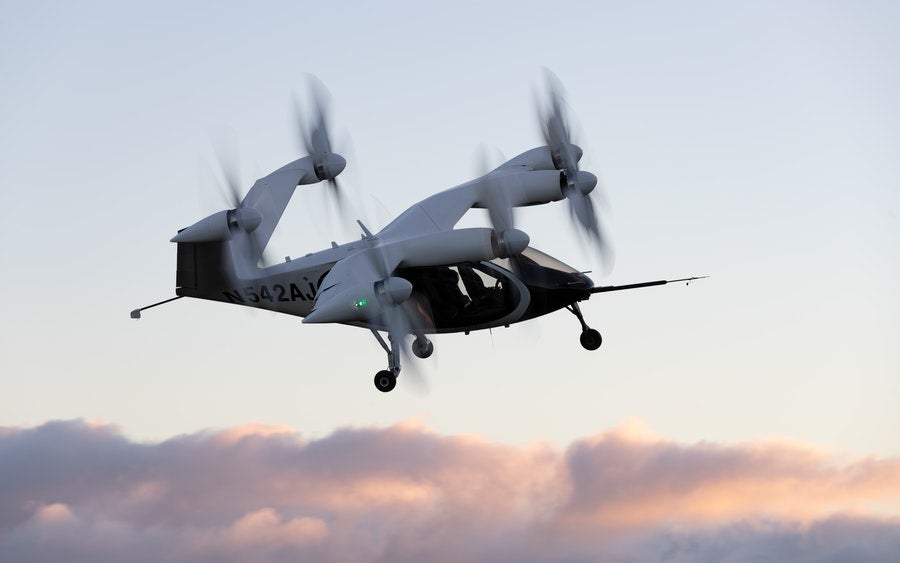

Joby Aviation has released a video, with audio, it goes without saying, that seeks to demonstrate the difference between conventional aircraft, both fixed wing and rotary, and the next generation of aircraft that are electrically powered.
The video shows a procession of various aircraft flying by with a real-time waveform analysis of its noise showing. The last aircraft in the lineup is Joby’s six-motor electric aircraft, the name of which no one is entirely sure—Joby refers to it as “our aircraft.”
To be honest, it’s not as silent was we’d expected it to be, but that said, compared to the rest of the parade participants, its low noise signature is remarkable.
How much does a reduction in aircraft noise mean to the future of ride-sharing aircraft, the term Joby uses to describe its craft? It’s hard to say. There might be other factors that wind up being more important to the success and or failure of such advanced air mobility initiatives, but one this is for certain: Lower noise won’t hurt.