









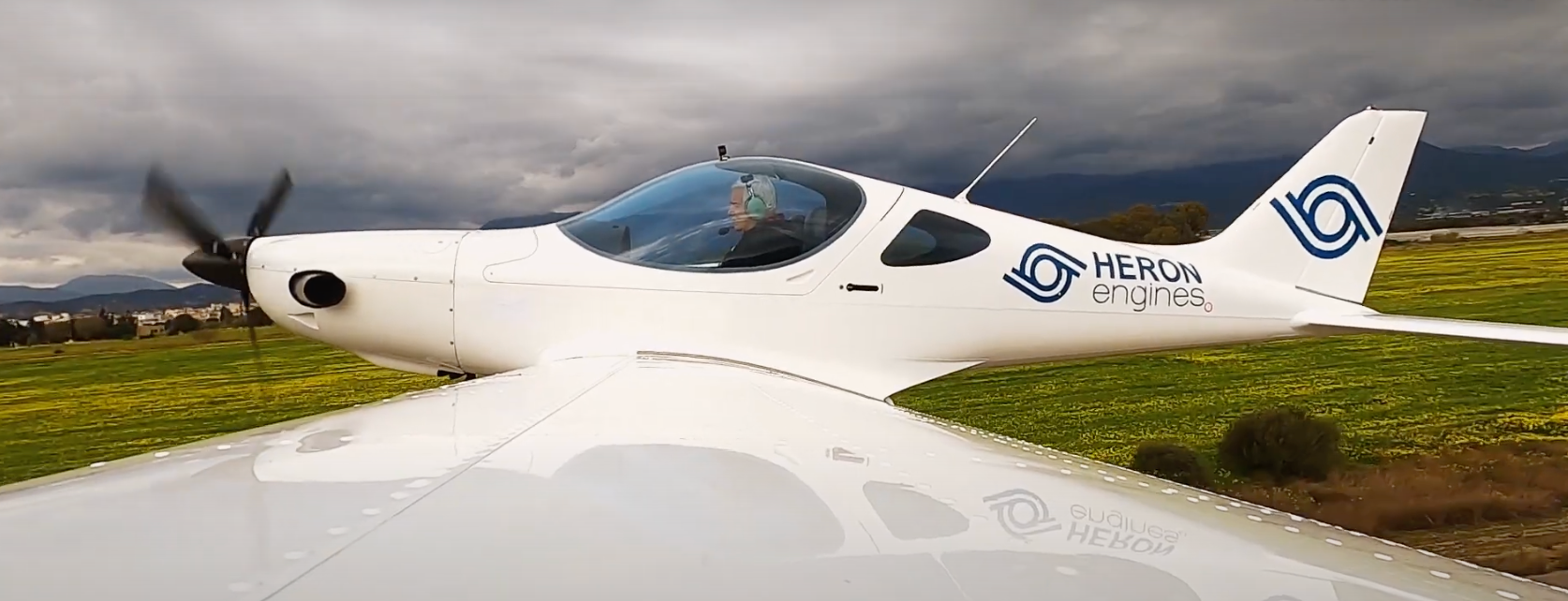

A Greek company has flown its prototype 130-shaft horsepower engine on a Bristell light-sport-category aircraft. Heron Engines is a bit of a mystery, as its website doesn’t offer much information. Just a photo of the engine, a “Contact Us” message form, and the tagline “coming soon!”
But the dramatic video of the first flight of the mini-turboprop is interesting and the practical advantages of a Jet A-burning light airplane can be enticing (avgas is all but unavailable in large swaths of the world). But some thorny questions of the practicality of such an engine come to mind.
The general wisdom on pistons vs. turboprops is that the efficiency of pistons begins to deteriorate around the horsepower levels where turboprops pick up—around 500 to 700 hp/shp. There’s some overlap, and issues of cost and reliability come into play when evaluating which is more appropriate. Piston engines are cheaper; turbines are generally more reliable.
In the sub-150 hp category, it’s hard to imagine a turbine-core engine matching the fuel efficiency of a piston. Also, all turbine engines depend largely on flying at higher altitudes for reducing fuel burn. Light sport aircraft, by contrast, spend virtually all of their flight time at low altitudes where the turbine sucks fuel like a vampire locked in a Red Cross blood bank overnight.
We reached out to Alex Fatseas, Marketing Director at Heron Engines, and he had this statement about the project’s status: “At the moment we are at the final stage of the flight tests, so we will have all the information (consumption, price, maintenance, delivery time etc.), really soon.” That’s also when the pre-orders will start.
Until we hear more from Heron on fuel flows and other vital signs of promise, we’ll keep this one in the “wait and see” category.