

The Way To Do It
As we leveled off at a few hundred feet, my CFI pointed out the diminished perspective afforded by low-level flight. Landmarks came and went quickly—now you see it, now you don’t. One needed to keep track of one’s location on the chart and, more importantly, what was ahead on the route, because there wasn’t much visual warning of its approach. Practically speaking, we would have fewer forced landing options if our engine quit down on the deck, another reason to keep our eyes outside, constantly watching for possible safe havens or avoiding unlandable areas.
To make the task of low-level pilotage easier, a common solution is to pick a road, waterway or rail line going in the right direction and just follow it. That makes it simple to anticipate the presence of the next town up the road, bearing in mind that twists and bends in the track will frequently alter your compass direction. And when you reach a fork in the road, you have to take it, as Yogi Berra said, so make sure you go the right way.
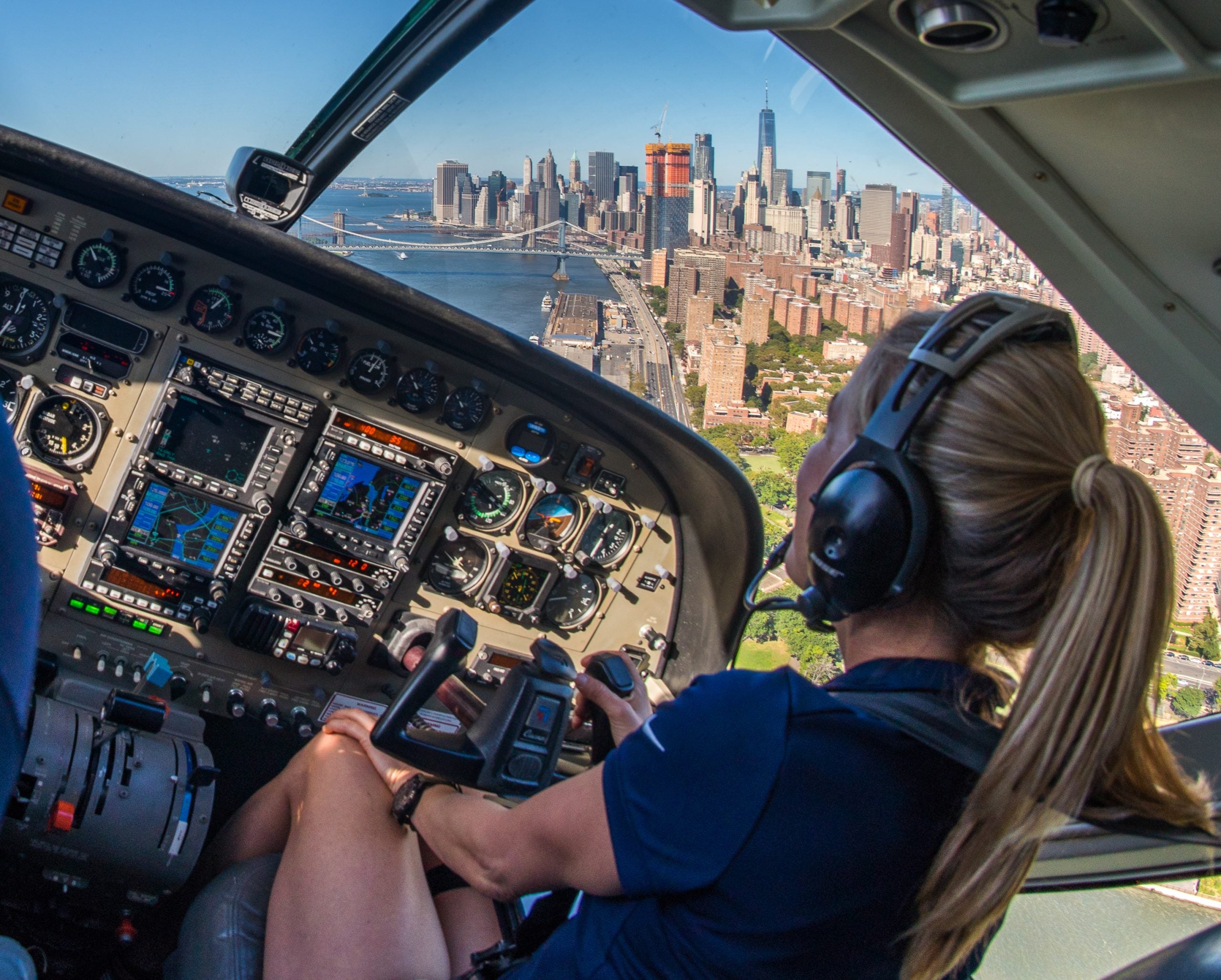
The temptation today, of course, is to just tap a destination into the GPS and follow the magenta line, an unerringly straight path across hill and dale. While sufficient for maintaining orientation, the pink pathway can lead you into places you don’t want to traverse. Special airspaces abound, and you’ll want to give congested areas and airports a wide berth. While I may create a GPS route when flying at low-level, I’ll swing off it as necessary, taking comfort in knowing that it’s there on the screen if I get disoriented.
A much more heightened awareness of the world outside is necessary when flying low. Don’t spend more than a few seconds at a time on inside-the-cockpit tasks. A close watch has to be kept on the landscape speeding toward you, which is filled with hazards. Remember the old humorous caution about avoiding flight in the “edges of the air,” reminding us to always stay in the “middle of the air.” The edges of the air, you see, are filled with tall trees, towers, mountain ridges, buildings and powerlines. All joking aside, never forget that conducting low flight is assuming a greater risk of encountering obstructions. To manage this risk, keep your eyes outside nearly 100 percent of the time. If you have something important to do on your instrument panel, climb up to a safer altitude while taking care of it.
Flying low means staying away from unwelcoming localities. Airports, even little-used ones, should not be overflown at traffic pattern level. Take up a diversion heading that will avoid them by a couple of miles, and make a traffic advisory call to alert local planes of your intentions. Otherwise, an inbound aircraft might think you’re approaching to land and will follow you off into the boondocks before figuring out that you’re only passing through. Remember, plan ahead for airport encounters; you’re not going to see the runways and hangars from a distance when you’re down on the deck.
Consider that you have limited communication capability when you’re flying below the horizon. VHF frequencies are essentially good for line-of-sight reception, so if you need to talk with someone at any distance, you’ll have to climb back up to a more reasonable altitude. Radar contact will also be lost most of the time; even if you see the transponder’s reply light flickering, you’re not really being painted when out in the low boondocks.