 |
| STANDARD DATA: Seats 4. Gross wt. 2,800. Empty wt. 1,690. Fuel capacity 65. Engine 230-hp Continental. PERFORMANCE: Top mph 160. Cruise mph 151. Stall mph 31. Initial climb rate 1,080. Range 1,150. Ceiling 19,200. Takeoff run 270. Landing roll 250. |
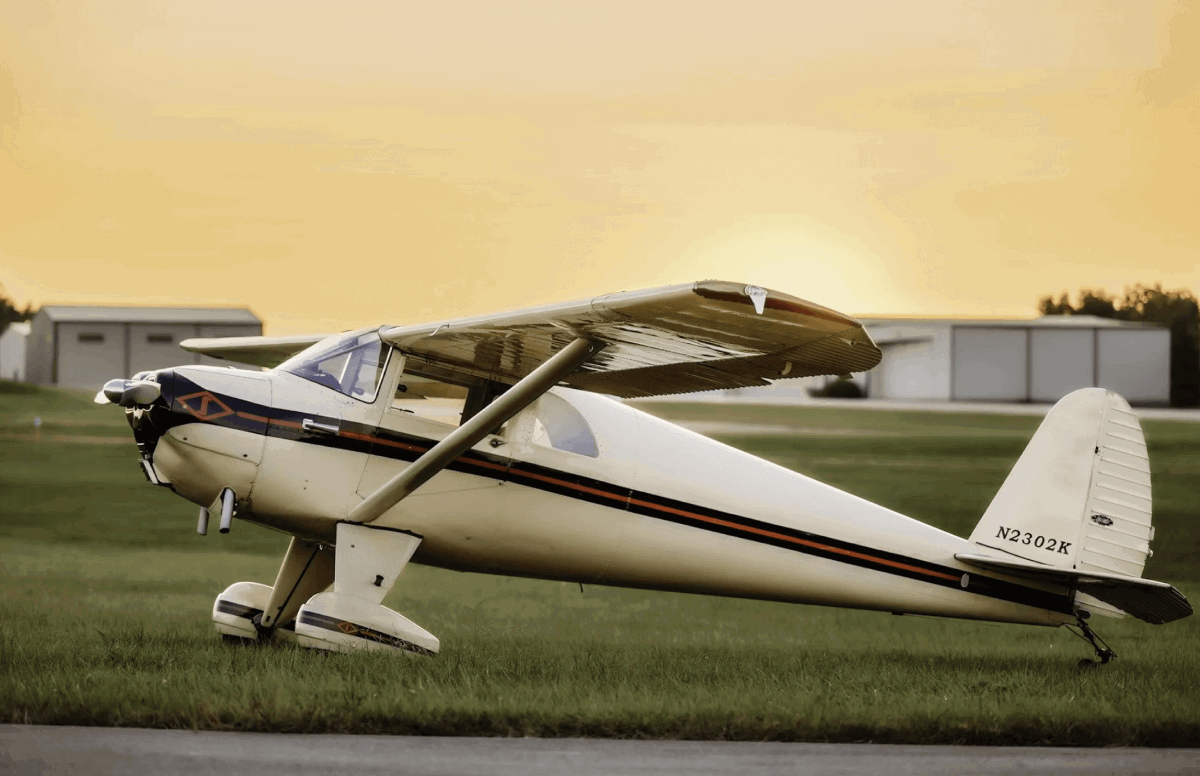
Until the first part of 1972, the Wren Aircraft Corp. in Fort Worth, Texas, manufactured a STOL light aircraft using a new Cessna 182 airframe. With a design developed by James Robertson, the Wren 460 uses four Wren devices to provide the 182 with slow-flight and STOL capability. The four devices are (1) full-span double-slotted flaps to increase lift coefficient, (2) an increased wing section nose radius to postpone wing stall to 20 degrees angle of attack, (3) two small horizontal control surfaces-known as the Robertson ultralow-speed nose control system-mounted on both sides of the cowling immediately behind the propeller to use the propeller slipstream in slow flight pitch control, and (4) five feathering drag plates—known as “Wren’s teeth”—added to each upper wing surface to overcome adverse aileron yaw and decrease lift and increase drag on the low wing during a turn.
An optional Hartzell/Wren Beta reversible-pitch propeller gives the 460 the ability to clear a 500-foot obstacle yet still come to a full stop in 1,000 feet. The added lift devices permit amazing slow-flight capability. In fact, the Wren is more maneuverable at slow speeds than at faster cruising speeds. With 20 degrees of flaps and an airspeed of 70 mph, the engine is at 21% power, thus allowing an endurance of over 15 hours.