









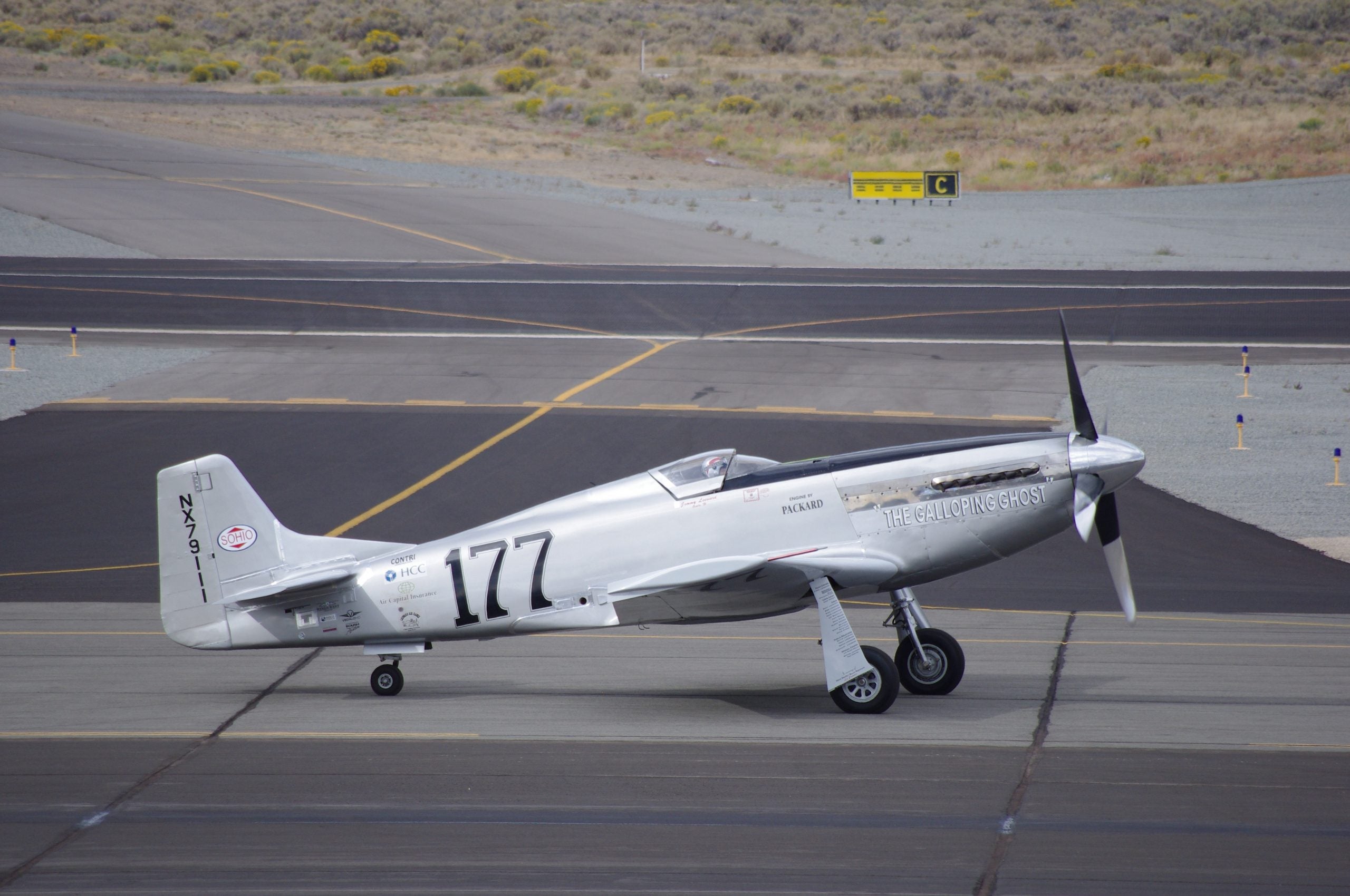
It was anything but luck. For decades, airshows have had federally mandated rules that prevent planes from flying over the crowds of people who are watching them fly. The catastrophic, mechanical failure-caused crash of a highly modified North American P-51 race plane into the crowd at Reno in which the pilot and ten spectators were killed—69 more spectators were injured—caused the FAA to tighten up the regulations further. The two planes that collided and crashed in Dallas were flying where they were supposed to flying. The real question is why one flew into the other.
Was it just luck that kept people on the ground from being killed or injured in Dallas?

Key Takeaways:
- Federally mandated rules prevent airshow planes from flying over crowds, a practice tightened after the catastrophic Reno P-51 crash.
- The Reno crash, which killed the pilot and ten spectators and injured 69, led the FAA to significantly strengthen existing airshow regulations.
- In contrast to past incidents, the recent Dallas collision occurred in an approved flight area, making the core investigative question why one plane flew into the other.
See a mistake? Contact us.