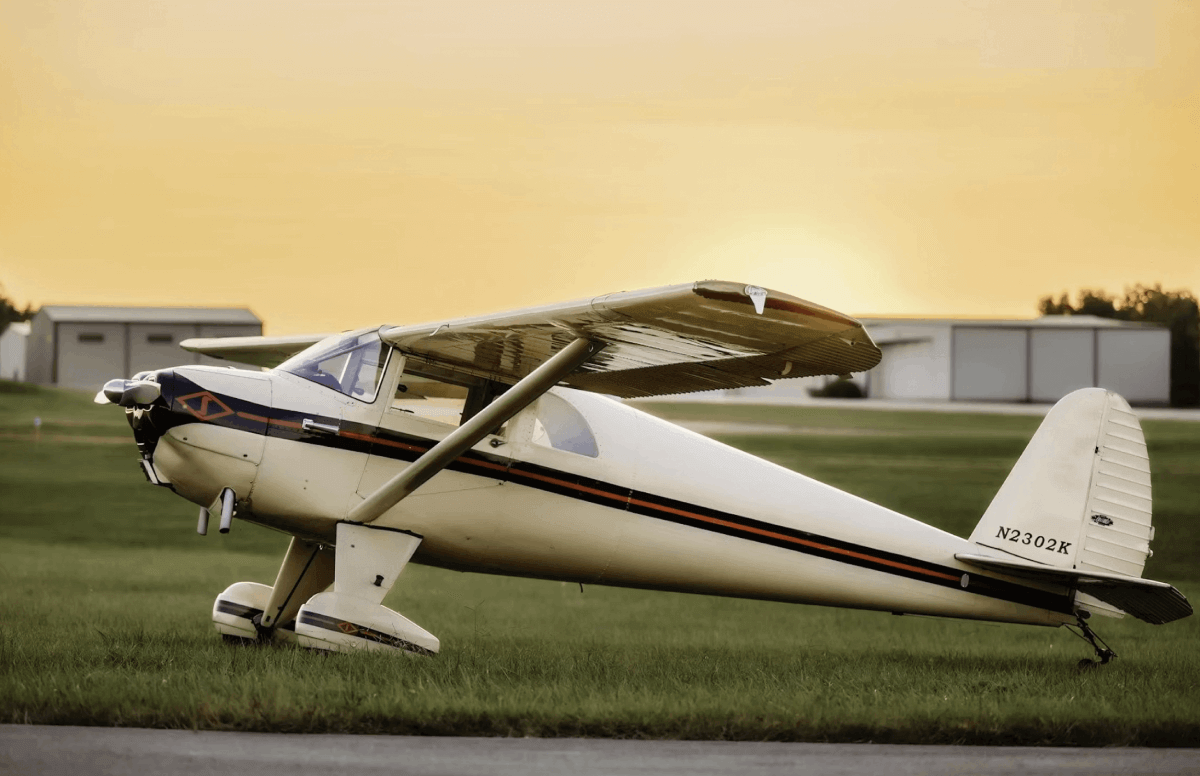










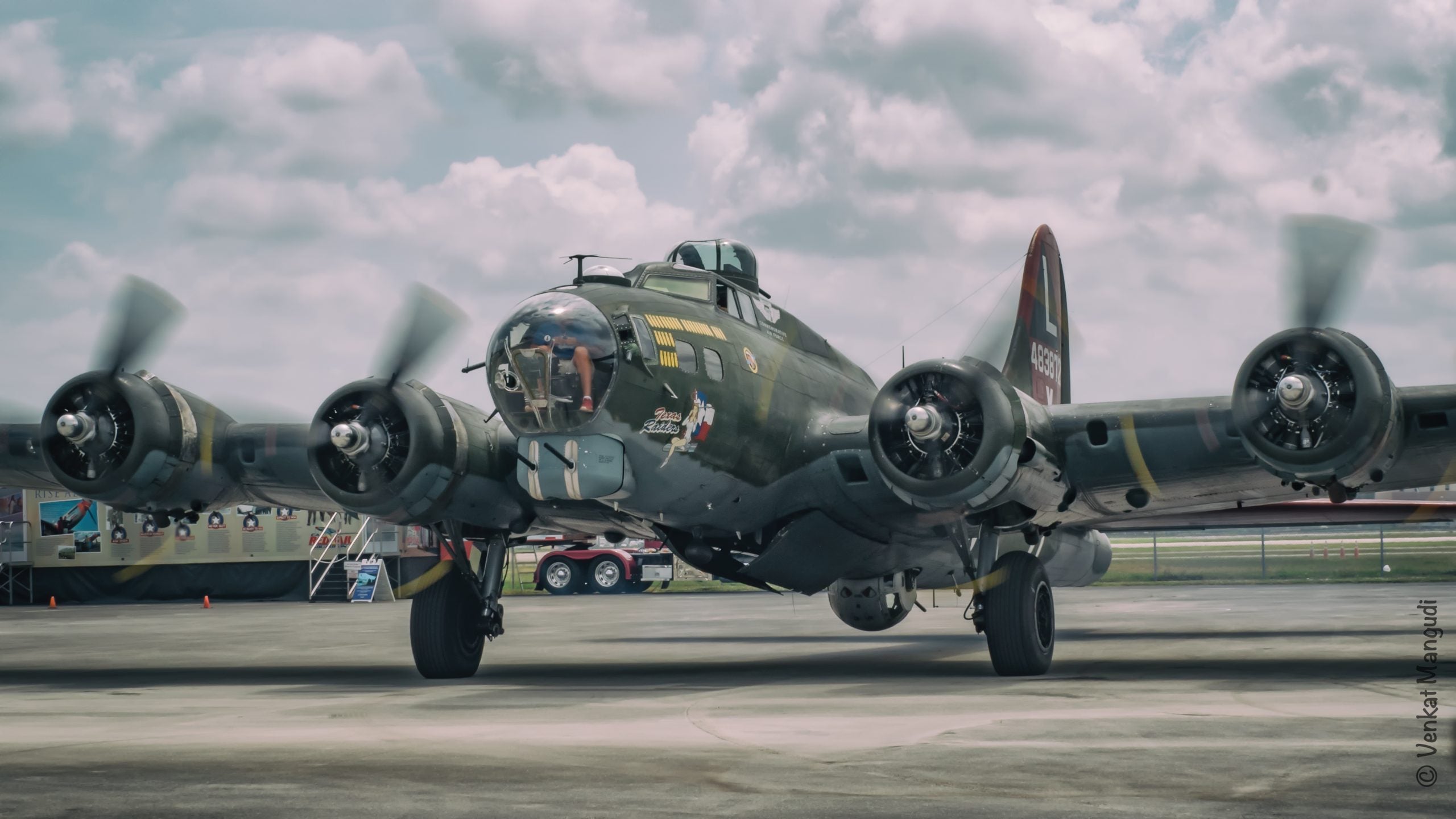
The short answer is, yes, they can. The longer answer is that the FAA allows operators of older planes to charge fees for these flights through an exemption. Most older ex-military planes operate under an FAA exemption—few have normal operating certificates, instead flying under one of a few rules that allow them to be flown for exhibition purposes. When carrying paying passengers, the FAA makes organizations jump though even more involved hoops, requiring, for example, operators have documented and FAA-approved operating procedures. The Boeing B-17 that crashed in Connecticut in 2019, killing seven of the 13 aboard, was operating as such a living history experience flight. Ten of those aboard the plane were passengers. At airshows, however, rules generally prohibit operators from carrying passengers during the official air show portion of the event, and the B-17 that crashed in Dallas did, indeed, have only required crewmembers aboard.
Can older military planes carry paying passengers?

Key Takeaways:
- Operators of older planes, particularly ex-military aircraft, can charge fees for flights under specific FAA exemptions.
- Carrying paying passengers for these "living history" or exhibition flights requires operators to meet more stringent FAA requirements, including documented and approved operating procedures.
- The 2019 B-17 crash in Connecticut, which killed seven, was operating as one of these FAA-exempted paid passenger flights.
- Rules generally prohibit carrying passengers during the official air show portion of an event, which was the case for the B-17 that crashed in Dallas (it only had crew onboard).
See a mistake? Contact us.