











The Power

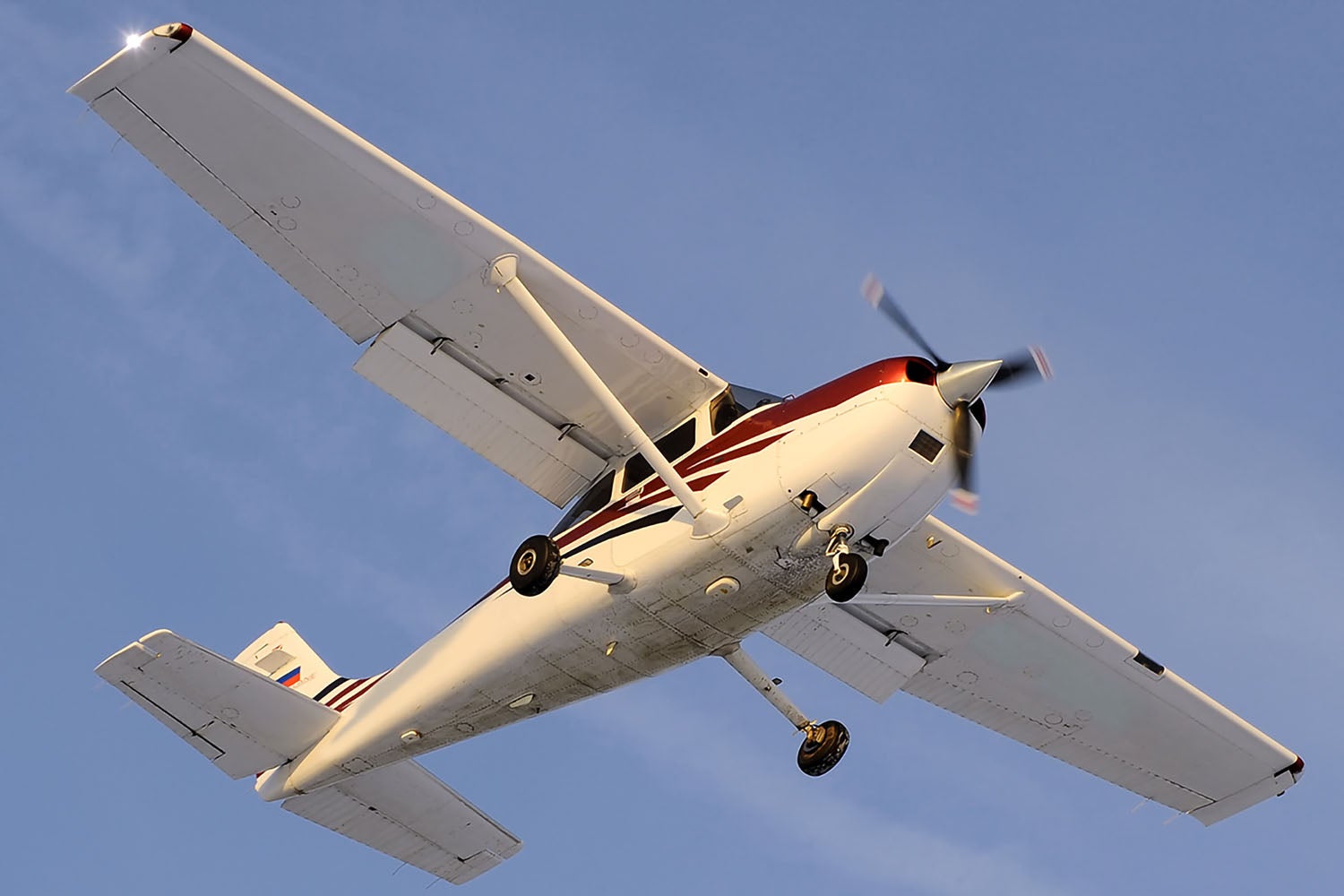
Cessna 182 skylane underneath
With big Fowler flaps and docile handling at slow speeds, the Skylane, when in capable hands, doesn’t need much runway. But unlike its smaller, lighter sibling, the 172, the 182 can develop a sinking spell if care isn’t taken.
Gemini Sparkle

Key Takeaways:

  • The Continental O-470 engine was an ideal match for the Cessna 182 Skylane from 1956-1986, making specific models from the mid-1960s to late 1970s highly sought-after for their balance of performance and economy.
  • Cessna ceased piston-plane production in 1986 due to product liability, slow sales, and excess inventory.
  • Production resumed in 1997 with a Lycoming O-540 engine, creating a distinction between the older Continental-powered Skylanes and the newer "restart" models, with glass-panel variants introduced in 2006.
See a mistake? Contact us.

For 31 years, the O-470 Continental six-cylinder engine was particularly well-suited to the 182 airframe. It was just big enough to satisfy a 172 driver’s lust without requiring a huge cowling, could econo-cruise at 9-10 gph if desired and had no fuel-injection maintenance and starting issues. It’s this happy marriage of engine and airframe that makes the mid-1960s to late 1970s Skylanes the most sought-after airplanes in the used-aircraft market.

After shutting down piston-plane production in 1986 over the triple threats of product liability exposure, slow sales and excess used-plane inventory, Cessna began building Skylanes again in 1997 but recertified with a 230-hp version of the Lycoming O-540 engine. Therefore, one divides Skylanes into 1956-1986 Continental-powered airplanes and the 1997 and onward Lycoming-engined “restart” models, with the latter series further sub-divided by the glass-panel Skylanes introduced in 2006.
Subscribe to Our Newsletter

Get the latest Plane & Pilot Magazine stories delivered directly to your inbox

SUBSCRIBE