











Weight Versus Performance

Gemini Sparkle

Key Takeaways:

  • The Cessna Skylane (182) experienced a significant increase in empty and takeoff weights over its production history, rising from 2,550 pounds in 1956 to 3,100 pounds by 1981 due to demand for more fuel and equipment.
  • This weight gain altered its performance characteristics, causing later models with higher gross weights to require a longer ground roll for takeoff than their rollout room for landing.
  • Despite these changes, all 182 models are considered good, hard-working airplanes, with late 1970s improvements like tubular maingear struts and a 24-volt battery being particularly desirable.
See a mistake? Contact us.

Over the years, the Skylane’s empty weight and takeoff weight rose, reflecting demand for more fuel and equipment. From a 2,550-pound gross in 1956, the 182 went to 2,650 pounds in 1957, then 2,800 pounds with the 1962 widebody model. The 1970 182N grossed at 2,950 pounds, while the 1981 182Q went to 3,100 pounds (maximum landing weight was the former 2,950-pound gross weight). The standard empty weight of the 182S was nearly 400 pounds heavier than the first-model 182.

The Skylane was always known for being able to take off out of any place you could land it; the stopping distance was greater than the distance required for a short-field departure. 

As the gross weights were raised, parity was eventually achieved, and with the 3,100-pound takeoff weight, the Skylane required 200 feet more ground roll to lift off than its rollout room. 
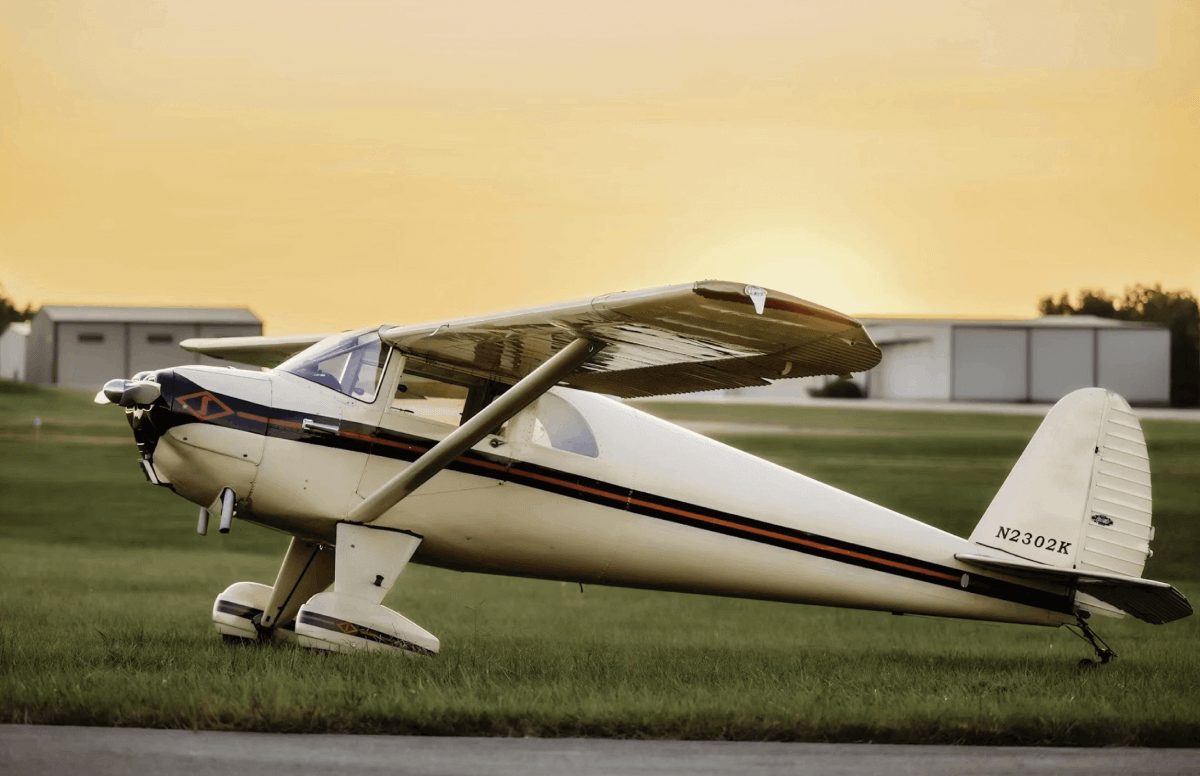
My most-favorite Skylane would probably be the 1976 182P, which has the 2,950-pound takeoff weight but retains the low-compression O-470-S 80-octane engine. The tubular maingear struts of 1972 and the 24-volt battery introduced in 1978 are desirable benchmarks as well. But all 182s are good, hard-working airplanes, just better with the late ’70s improvements.
Subscribe to Our Newsletter

Get the latest Plane & Pilot Magazine stories delivered directly to your inbox

SUBSCRIBE