











 |
| STANDARD DATA: Seats 3. Gross wt. 1,625. Empty wt. 948. Fuel capacity 20. Engine 90-hp Franklin. PERFORMANCE: Top mph 115. Cruise mph 109. Initial climb rate 600. Range 380. Ceiling 13,000. |
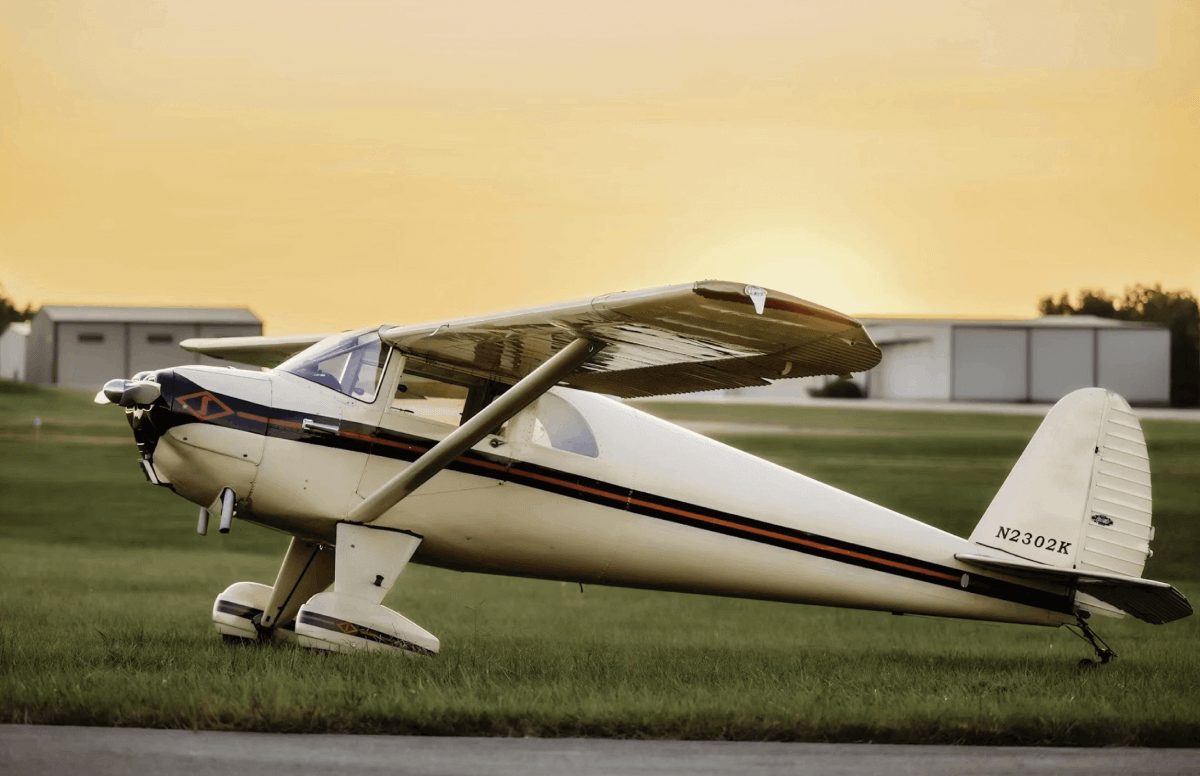
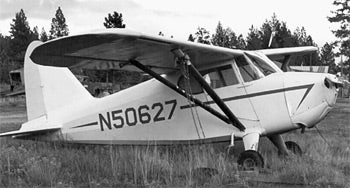
The 10 Voyager was the improved successor to the 105 Voyager. Introduced in 1940, the new airplane differed only by its increased cabin width and other minorstructural changes. Several versions of the Model 10 were built during its short life span. The 10 housed an 80-hp Continental, the 10A used the 90-hp Franklin, and the 1013 was powered by the 75-hp Lycoming. Wing construction consisted of spruce spars and aluminum ribs covered with fabric. The fuselage was built from a welded steel-tube frame covered with fabric. The enclosed cabin had seating for three, two side-by-side and one behind on the port side. Two doors provided access on either side of the plane. Though production of this light private plane ceased in 1941, it remained in wide use in the Civilian Pilot Training Program. The Voyager also formed the basis for the L-Sentinel liaison/observation plane.