










First documented: 1915
Message: “Good Night” by Art Smith (U.S. barnstormer)
First used in public advertising: November 1922
Location: New York Times Square
Message: “CALL VANDERBILT 7200”
“VANDERBILT 7200:” Phone number to hotel where the pilot was staying
Phone calls hotel received in three-hour span: 47,000
Skywriting Corporation of America (SCA) founded: 1923
First SCA advertiser: Lucky Strike Cigarettes
Message: “L S M F T” (Lucky Strike Means Fine Tobacco)
Other major advertiser: Pepsi-Cola
States where Pepsi advertised: 48
Pepsi skywriting ads in 1940: 2,225
Maneuvers required to write the word “PEPSI:” 17
Minutes needed: 10
What the media dubbed skywriting: “Celestial vandalism”
Popularity decline: 1950s (television)
Reason: TV ads not weather-dependent
Became popular again: 2010s
Cause: Social media
Reason: Messages shared online boost ad visibility
Ideal weather: Cool, humid, windless, clear
Common altitude: 10,000 feet
Aircraft speed: ~150 mph
What creates skywriting smoke: Paraffin oil in exhaust
Degrees at which paraffin vaporizes: 1,500°
Environmental concerns: None
Width of smoke streams: 75 feet
Time needed to create a single letter: 60-90 seconds
Average size of each letter: 1 mile tall
Letter capacity of each message: 12
Radius of message visibility: 30 miles
Minutes visible before dissipating: ~20
Average cost: $2,500
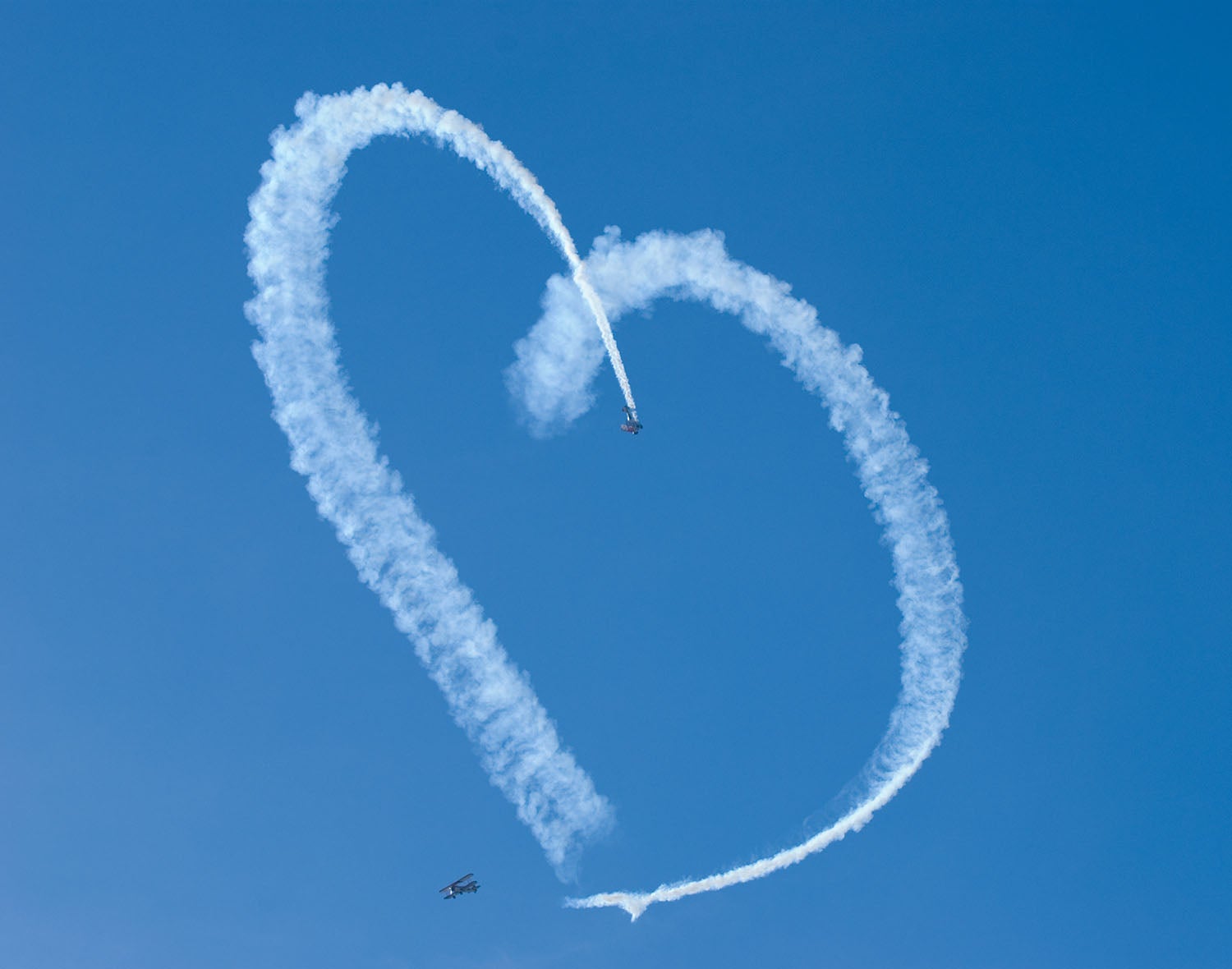
Most popular non-ad message: Marriage proposals
Average proposals written/year by one NYC company: 50
Hi-tech version of skywriting: “Skytyping”
Method: Software signals plane to emit small, uniform smoke puffs
Resembles: Dot Matrix Printing
Aircraft used for each skytyping assignment: Five or more
Special maneuvering required: None
Characters written/minute: 10-12
Maximum letter capacity for skytyping: 30
Skytyping teams in U.S.: 3 Cost: $15,000+/message