











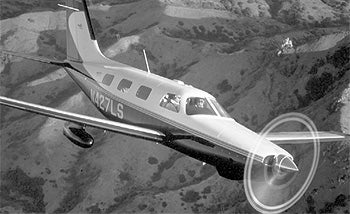
 New Piper Malibu |
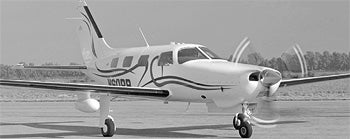 New Piper Mirage |
| STANDARD DATA: Malibu/Mirage Seats 6. Gross wt. 4,100/4,300. Empty wt. 2,460/2,790 lbs. Fuel capacity 120. Engine 310-hp Continental/350-hp Lycoming. PERFORMANCE: Cruise 203/232 KTAS. Stall 50/69 kts. Initial climb rate 1,143/1,218 fpm. Ceiling 25,000. Range 1,261. Takeoff distance (50′) 1,440/1,530. Landing distance (50′) 1,800/1,964′. |
The cabin class Malibu set the single-engine piston market on its ear when it first came to market in 1984. The big pressurized Piper was the first aircraft to demonstrate that comfort in the flight levels did not require a second engine. After moving away from early troubles with its 310-hp Continental to a 350-hp Lycoming, the PA-46 Malibu transformed itself into the even better performing PA-46 Mirage. The original gamble Piper took with the Malibu would ultimately spawn a number of successful big cabin singles, albeit with turbine engines, including Piper’s own Meridian. In 2005, the Mirage became available with an all-glass flight deck.