











PARTENAVIA “P-68″€

1974’€“ Present

Gemini Sparkle

Key Takeaways:

  • The Partenavia P-68 is a versatile, multi-role utility aircraft known for its performance despite having fixed landing gear, with a retractable gear version deemed unnecessary.
  • The P-68TC model, introduced in 1980, features turbocharging, which significantly increases its maximum speed and service ceiling compared to the standard P-68B.
  • Both models are 7-seater twins with Lycoming engines, differing mainly in horsepower, maximum speed, range, and operational ceiling.
  • An "observer" option is available, featuring a clear nose design for improved forward and downward visibility, catering to specialized roles.
See a mistake? Contact us.
iad
iad
STANDARD DATA: P-68B Seats 7. Gross wt. 4,321. Empty wt. 2,645. Engines two 200-hp Lycoming IO- 360-A1B.
PERFORMANCE: Max Speed 174 kts. Max Cruise 165 kts. Initial climb rate 1,160 fpm. Range 920 nm. Ceiling 20,000′.

STANDARD DATA: P-68TC Seats 7. Gross wt. 4,387. Empty wt. 2,866. Fuel capacity 137-196. Engines two 210-hp turbocharged Lycoming IO-360C -1A6D.
PERFORMANCE: Max Speed 190 kts. Max Cruise 175 kts. Initial climb rate 1,130. Range 1,040 nm. Ceiling 27,000.

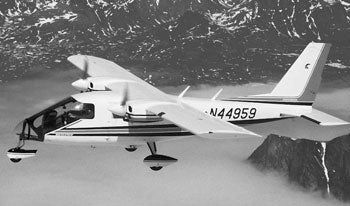
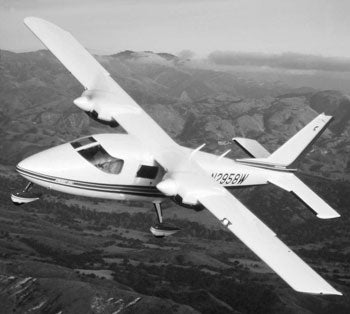
Partenavia built the P-68 as a multi-role utility airplane. Despite its fixed gear, the big-bodied twin compared favorably to many conventional aircraft with retractable gear. A retractable gear version was developed but provided so little improvement over the rock solid workhorse that it never went into production. In 1980, turbocharging was added for a slight increase in speed and a significant boost in service ceiling. The P68 also comes in a clear-nose “observer” option for increased forward/down visibility.
Plane & Pilot

Plane + Pilot is general aviation’s only adventure-based magazine. From where to go, to how to get there, and everything in between, your next great adventure awaits.
Subscribe to Our Newsletter

Get the latest Plane & Pilot Magazine stories delivered directly to your inbox

SUBSCRIBE