











 |
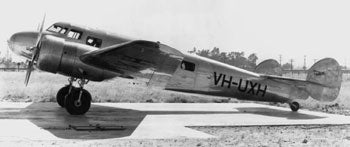
| STANDARD DATA: Seats 8-14. Gross wt. 24,000. Empty wt. (avg.) 15,000. Power two 1,200-hp Wright Whirlwind or 2,000-hp Pratt & Whitney Wasp engines. PERFORMANCE: Top mph 321. Cruise mph 280. Initial climb rate 1,494, Range 2,800. Ceiling 22,950. |
In the 1930s and 1940s, Lockheed built a series of twins that still remain active in the general aviation fleet. Approximately 20 Model 10 Electras and 30 small Model 12s remain registered in the United States, but several hundred of the big Model 18 Lodestars remain, many of which have been extensively modernized. Both of the smaller ships used Wasp Juniors; late models standardizing on the 450-hp version. The Electra carried 10 passengers, and the Model 12 carried six passengers, the latter being considerably faster with a 225-mph top speed and 202-mph cruise. The Lodestar and its derivatives were highly successful commercial carriers and served as the basis of the Hudson series of World War II lightweight bombers and the Model 37 Ventura patrol bombers. More than 100 converted Venturas also appear on the U.S. civil register. The Lodestar used 1,200-hp Pratt & Whitney Double Wasps. A model 10E Lockheed Electra vanished along with Amelia Earhart and Fred Noonan in 1937.