











 |
This week, LightHawk, a non-profit conservation group, will begin flying monthly aerial surveys over the northern Gulf of California to save the critically endangered vaquita (Phocoena sinus) whose population currently stands at approximately 97 individuals. The IUCN (International Union for Conservation of Nature) has listed the vaquita as Critically Endangered and says immediate action is needed to prevent extinction.
The biggest threat to the vaquita is commercial fishing using gillnets and trawlers. This fishing gear claims around 30 individuals each year as bycatch when they become entangled and cannot escape. To save the vaquita, these activities must be regulated, especially inside protected, non-fishing areas like the vaquita refuge.
To accelerate efforts to save the vaquita, LightHawk will conduct aerial surveys during the fishing season to show where fishing is happening in the northern Gulf of California. Data from these survey flights will provide critical information on where and how many fishing boats are active in the vaquita’s range. With this information, enforcement efforts on the water will be more efficient and effective.
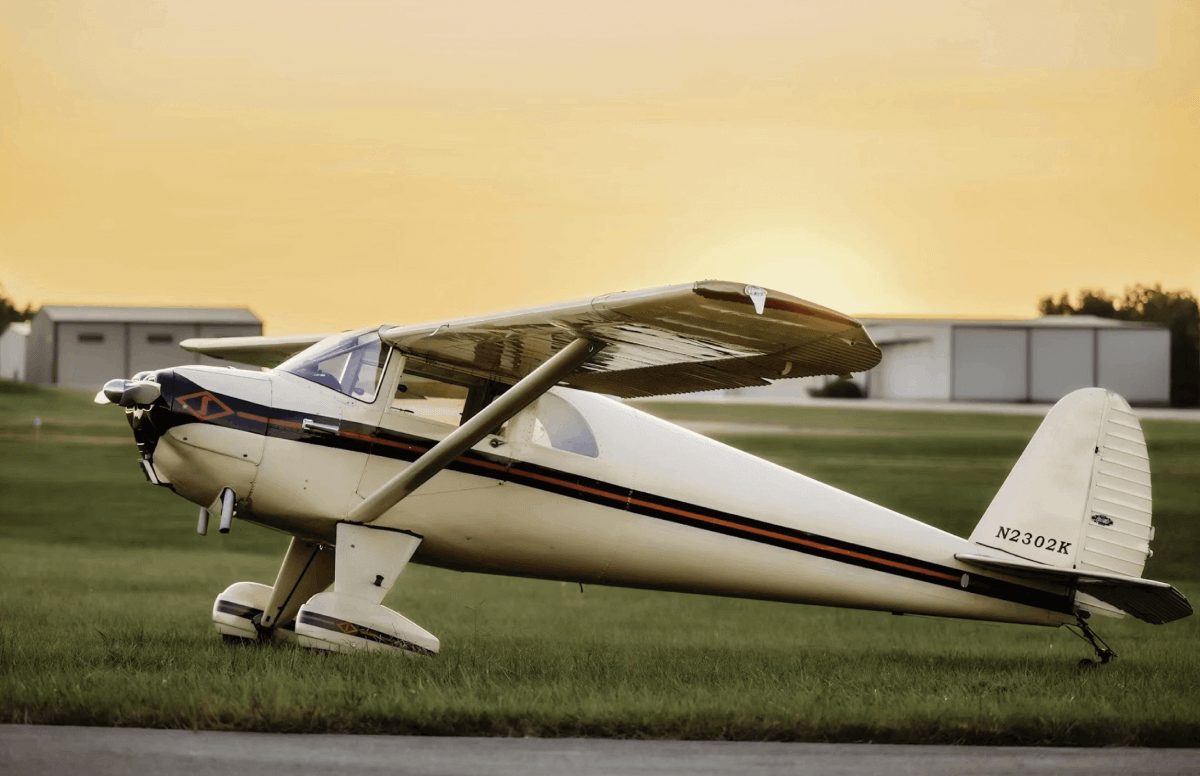
LightHawk enables this data collection by flying a series of transects over the vaquita’s distribution range from October to July. A LightHawk volunteer pilot will fly a high wing aircraft at 1,500 feet above the water so that biologists can identify and record fishing vessels below.
Following the extinction of the baiji, also known as the Yangtze River dolphin, in the early 2000s (the baiji is the first cetacean species known to have been driven to extinction by human activity), the world is now facing the loss of a second cetacean species. Elusive and timid, vaquitas are the smallest of the cetaceans reaching only 4 — 5 feet in length. The word vaquita means “little cow” in Spanish.
About LightHawk
Founded in 1979, LightHawk is a unique conservation non-profit which accelerates conservation success through the powerful perspective of flight. LightHawk leverages a network of more than 200 volunteer pilots who provide flights each year to help conservation groups achieve their conservation strategies. LightHawk donates flights and services to carefully selected partners to help protect land, water and wildlife across North and Central America. For more about LightHawk visit: https://www.lighthawk.org