











 |
| STANDARD DATA: Seats 1. Gross wt. 4,500. Empty wt. 2,690. Fuel capacity 80. Engine 450-hp Pratt & Whitney radial. PERFORMANCE: Top mph 147. Cruise mph 90. Stall mph 67. Initial climb rate 1,800. Range 400. Ceiling 14,000. Takeoff distance (50′) 1,360. Landing distance (50′) 750. |
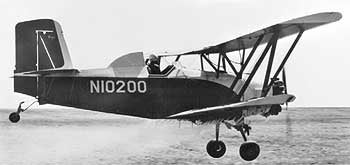
After Gulfstream acquired the Grumman designs, they started producing the Grumman Super AG-Cat, a beefed-up version of the regular G-164 AG-Cat built under contract by Schweizer Aircraft in Elmira, New York. The specialized agricultural sprayer flew for the first time in 1957, with first deliveries in 1959. Designed with a maximum-lift wing using minimum wingspan, the powerful biplane can make a continuous 1.5G turn at dusting speed even at gross weight. The wings are constructed of Duralumin with fabric covering, and the fuselage is made with steel tube covered with Duralumin sheet metal. The upper and lower wings of the biplane are interchangeable. An enclosed cockpit canopy is optional; otherwise, the single-seat cockpit is open and a reinforced fairing aft of the cockpit provides “turnover” protection. The Super AG-Cat will carry up to 2,000 pounds or 247 gallons of agricultural chemicals in a fiberglass hopper. Power was originally supplied by a 220-hp Continental. Until 1969 the 220-hp Continental, 300- or 275-hp Jacobs, or 450-hp Pratt & Whitney were used. Since 1969, engine options have been limited to the 600 or 450-hp Pratt & Whitneys.