











 |
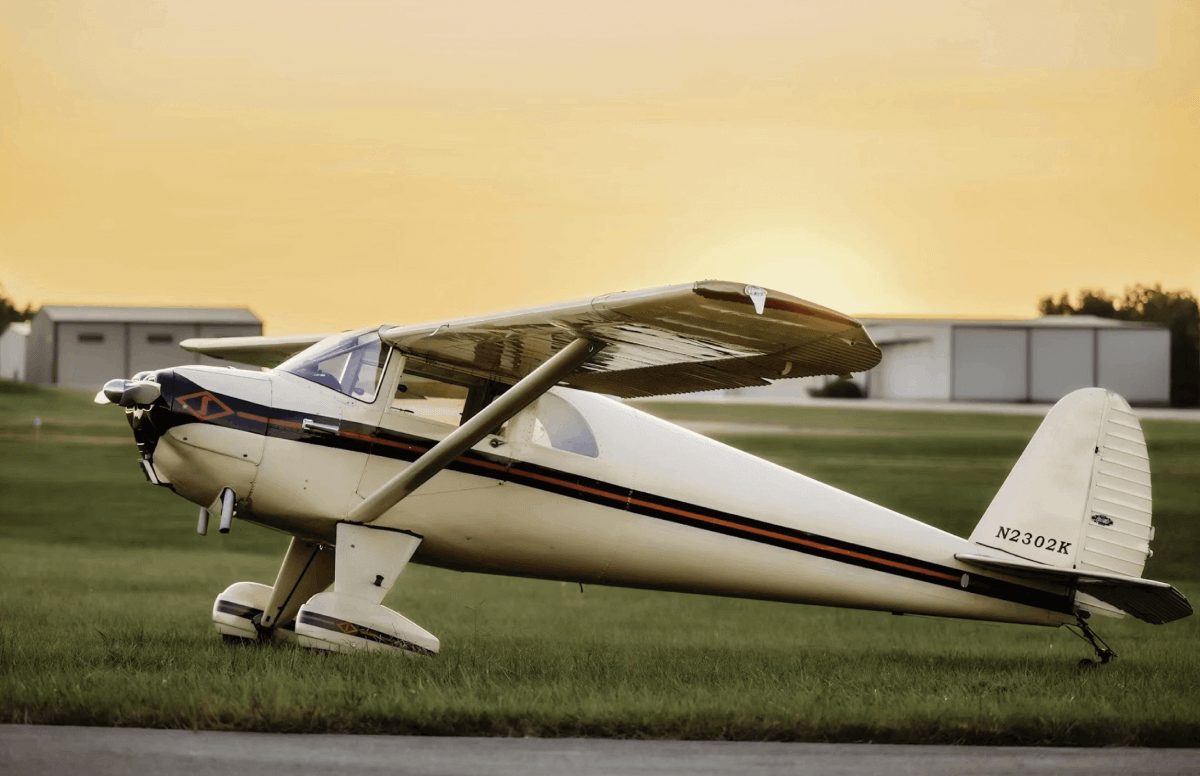
| STANDARD DATA: Seats 4. Gross wt. 3,750. Empty wt. 2,450. Fuel capacity 70. Engine 285-hp Jacobs. PERFORMANCE: Top mph 150. Cruise mph 135. Initial climb rate 900. Range 540. Ceiling 14,500. Takeoff run 29 seconds. |
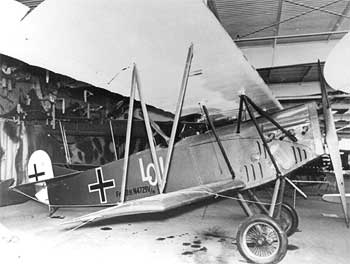
Only a few of the original single-seat German World War I fighters exist today. The Fokker D VII was chosen by the chief of the German air service, General Von Hoeppel, as the plane that could outmaneuver the Spad and the Sopwith in aerial combat. Fokker delivered the first D VII to the Von Richthofen unit within two months after the original order of 400 had been placed. Although the famous Von Richthofen chose to stick with the Fokker Triplane, eventually he was shot down while flying a D VII. The D VII ultimately became the favorite of many a German pilot.
Fitted with twin Spandau guns, the thick-winged fighter could almost hang by its prop at 45 degrees yet maintain excellent controllability. Its fuselage was made of welded and braced steel tube in box girder structure and covered with metal panels forward and a fabric-ply combination in the rear. The wooden cantilevered wings required no external wire bracing, and struts really weren’t needed but were added to give the pilots some moral support. Both the 160-hp Mercedes D III and the BMW III 185-hp engines were six-cylinder inline water cooled.
Perhaps the easiest to fly of all the World War I fighters, the Fokker D VII could execute rapid, smooth turns and was quite sensitive on the elevators. After the war, Fokker continued to build the D VII selling the coveted plane to Holland, Belgium, Poland, Sweden, Italy, and Spain. The United States received 142 D VIIs that served with the military until the mid-1920s when a lack of spare parts forced their grounding.