












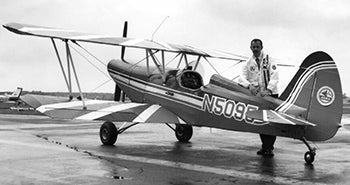
EAA BIPLANE

Gemini Sparkle

Key Takeaways:

  • The EAA developed this single-seat sport biplane in 1955 for its members, with the prototype built by high school students and first flying in 1960.
  • It is a lighter aircraft compared to the Acro-Sport, powered by an 85 hp Continental engine, but shares a similar construction method.
  • Plans for building this biplane are no longer marketed by the EAA.
See a mistake? Contact us.
STANDARD DATA: Gross weight: 1,023 lbs.; Emptyweight: 640 lbs.; Fuel capacity: 12 gals.; Wingspan: 20 ft.; Length: 17 ft. PERFORMANCE: Top speed: 125 mph; Cruise speed: 110 mph; Stall speed: 55 mph; Climb rate: 1,000 fpm; Takeoff run: 500 ft.; Landing roll: 550 ft.; Range: 200 nm.

The EAA decided in 1955 to develop a single-seat sport biplane as a service to its members. The prototype was built as a classroom project by students of St. Rita’s High School in Chicago. It flew for the first time in 1960. The plane is, in a sense, the predecessor to the Acro-Sport, the difference being that the A-1 Biplane is lighter and uses a smaller engine, an 85 hp Continental. Construction is the same. Plans are no longer marketed.


Plane & Pilot

Plane & Pilot Magazine is a trusted source for general aviation pilots, delivering aircraft reviews, flight training tips, product recommendations, and industry news. Whether you're a student pilot or seasoned aircraft owner, our expert content is designed to inform, inspire, and support your aviation journey. With over 50 years of history, we bring a personal, pilot-first approach to everything we publish.
Subscribe to Our Newsletter

Get the latest Plane & Pilot Magazine stories delivered directly to your inbox

SUBSCRIBE