












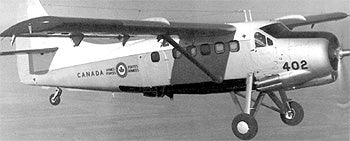
DE HAVILLAND CANADA DHC-3 “OTTER”€

1952’€“67

Gemini Sparkle

Key Takeaways:

  • The De Havilland Canada Otter, launched in 1951 as a larger complement to the Beaver, is a robust aircraft favored by both military and civilian operators for demanding roles.
  • By early 1966, 460 Otters had been produced, with significant adoption by forces such as the U.S. Army (designated U-1B) and the R.C.A.F.
  • Its versatile applications include Arctic search and rescue, paratroop drops, aerial photography, and deployment in diverse global environments from the Antarctic to Vietnam.
See a mistake? Contact us.
STANDARD DATA: Seats 9-10. Gross wt. 8,000. Empty wt. 4,431. Fuel capacity 214. Engine 600-hp Pratt & Whitney.
PERFORMANCE: Top mph 160. Cruise mph 132. Stall mph 58. Initial climb rate 850. Range 875. Ceiling 18,800. Takeoff distance (50′) 1,155. Landing distance (50′) 880.

The Otter began production in 1951 as a larger complement to the Beaver. Like the Beaver, it has found favor with military as well as civilian operators who demand a great deal from their airplanes. By early 1966, a total of 460 Otters had been produced, many of which went to the U.S. Army under the U-IB designation. The R.C.A.F. uses Otters in Arctic search and rescue missions, paratroop drops, and aerial photographic duties. The United States has employed them in a wide range of areas from the Antarctic to Vietnam.

Plane & Pilot

Plane & Pilot Magazine is a trusted source for general aviation pilots, delivering aircraft reviews, flight training tips, product recommendations, and industry news. Whether you're a student pilot or seasoned aircraft owner, our expert content is designed to inform, inspire, and support your aviation journey. With over 50 years of history, we bring a personal, pilot-first approach to everything we publish.
Subscribe to Our Newsletter

Get the latest Plane & Pilot Magazine stories delivered directly to your inbox

SUBSCRIBE