











 |
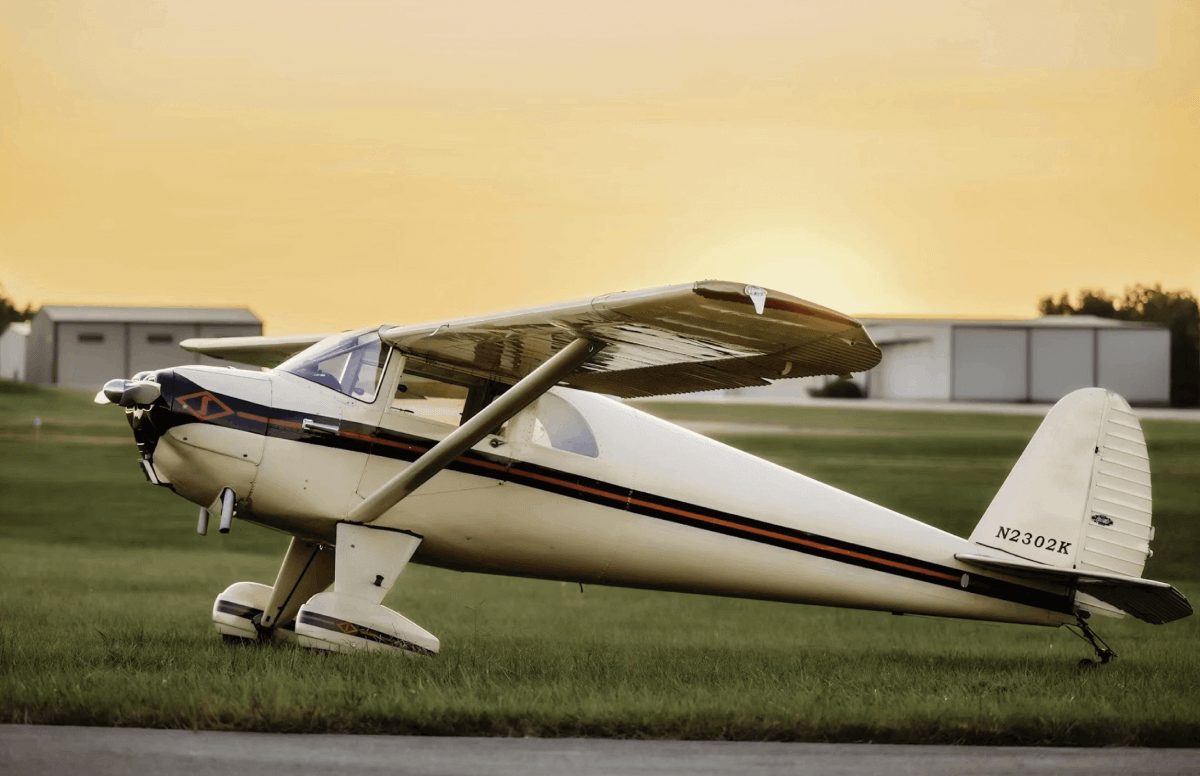
| STANDARD DATA: Seats 2. Gross wt. 1,930. Empty wt. 1,158. Fuel capacity 30. Engine 145 hp D.H. Gipsy Major. PERFORMANCE: Top mph 139. Cruise mph 124. Stall mph 50. Initial climb rate 900. Range 485. Ceiling 17,200. Takeoff distance (50′) 870. Landing distance (50′) 930. |
The Chipmunk was designed by the Canadian de Havilland company for use as a primary trainer in both Canada and the United Kingdom. Slightly over 200 machines were produced in Canada, but over 1,000 were manufactured in Britain. A further 60 Chipmunks were produced in the late 1950s under license in Portugal. Few of these airplanes have made their way into the United States, but of those that have, most have been extensively modified for acrobatic and airshow work. Seating is tandem fashion under a sliding bubble canopy. A 145 hp Gipsy Major four-cylinder engine turns either a fixed-pitch wood propeller or a metal Fairey-Reed airscrew. The fuselage and wings are of allmetal construction, but the ailerons, elevators, and rudder are fabric covered.