











 |
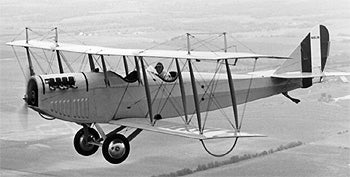
| STANDARD DATA: Seats 2. Gross wt. 2,130. Empty wt. 1,580. Engine 90-hp Curtiss OX-5. PERFORMANCE: Top mph 75. Cruise mph 65. Stall mph 35. Initial climb rate 250. |
The Curtiss Jenny was America’s first mass-produced commercially viable airplane. Designed in 1914 to lower the accident record for pusher airplanes, the Jenny went on to become the standard U.S. military trainer throughout World War I and for five years thereafter. Nearly 7,000 were built, and surplus Jennies began showing up in civilian hands by 1919. For around $6,000 you could buy a crated Jenny, put it together, and start your own barnstorming business. Many took up the challenge with varying degrees of success. The fatal flaw of the Jenny (aside from a vicious stall-spin characteristic) was the powerplant. Literally dozens of things could (and did) go wrong with the OX-5, and an engine failure every 10 hours was not uncommon. By the close of the 1920s, wrecks, and rot had begun to take a toll on the original 7,000.