












CHAMPION 7FC “TRI-TRAVELLER”€

1956’€“64

Gemini Sparkle

Key Takeaways:

  • The Champion 7FC Tri-Traveller, introduced in 1956 as a two-seater, is notable for its tricycle fixed undercarriage, a key distinction from its predecessors.
  • Powered by a 90-hp Continental engine, it features a mixed construction with a fabric-covered welded steel-tube fuselage and fabric-covered wooden-spar wings.
  • This aircraft was extensively used by flying schools, serving as a widely adopted trainer.
  • Key performance data includes a top speed of 135 mph, a cruise speed of 105 mph, and a range of 500 miles.
See a mistake? Contact us.
STANDARD DATA: Seats 2. Gross wt. 1,500. Empty wt. 910. Fuel capacity 26. Engine 90-hp Continental.
PERFORMANCE: Top mph 135. Cruise mph105. Stall mph 40. Initial climb rate 800. Range 500. Ceiling 12,000. Takeoff run 250.

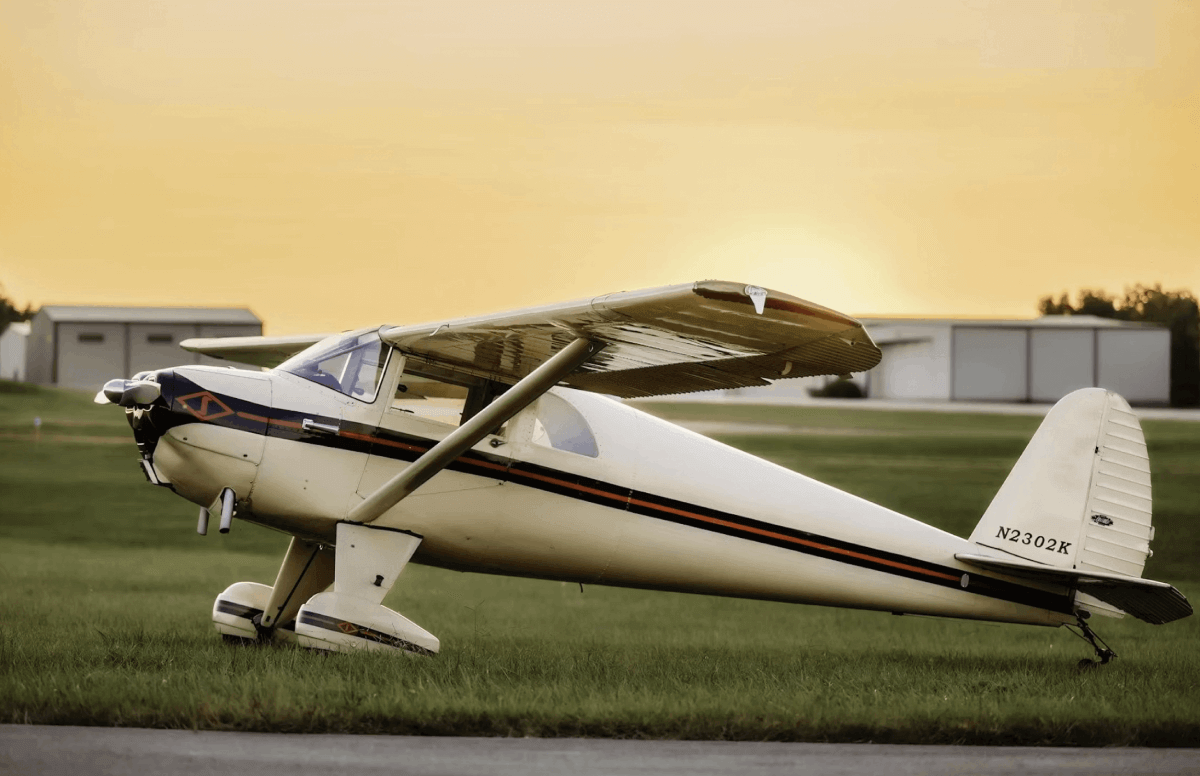
The Champion 7FC Tri-Traveller is derived fromthe Model 7EC Traveller, and production began in 1956. The Tri-Traveller differed from its predecessors by employing a tricycle fixed undercarriage. This tandem twoseater is powered by a single 90-hp Continental C912F four-cylinder engine. It is of mixed construction with a fabric-covered welded steel-tube fuselage. The wings are built with two wooden spars, aluminum ribs, and fabric covering. The Tri-Traveller was widely used by flying schools as a trainer.

Plane & Pilot

Plane + Pilot is general aviation’s only adventure-based magazine. From where to go, to how to get there, and everything in between, your next great adventure awaits.
Subscribe to Our Newsletter

Get the latest Plane & Pilot Magazine stories delivered directly to your inbox

SUBSCRIBE