












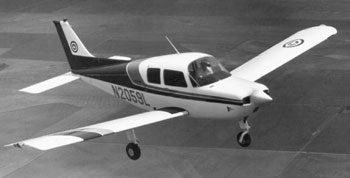
BEECHCRAFT SPORT 150

1966’€“78

Gemini Sparkle

Key Takeaways:

  • Introduced in 1965, the Beechcraft Sport III was a 150 hp Lycoming-powered trainer designed primarily for two, but offered an optional rear seat for four passengers, which significantly reduced its range due to fuel weight limitations.
  • Featuring a distinctive honeycomb wing structure and bonded skins shared with other Musketeers, the Sport III was also available in an aerobatic version.
  • The model transitioned from the Musketeer series to the "Aero Center" line in 1972, subsequently receiving updates like increased fuel capacity and optional autopilots, until it was replaced by the Skipper 77 as Beechcraft's trainer in 1979.
See a mistake? Contact us.
iad

STANDARD DATA (Sport): Seats 2-4. Gross wt. 2,150. Empty wt. 1,423. Fuel capacity 57. Engine 150-hp Lycoming.
PERFORMANCE: Top mph 127. Cruise mph 123. Stall mph 57. Initial climb rate 680. Ceiling 11,650. Range 622. Takeoff distance (50′) 1,635. Landing distance (50′) 1,693.

STANDARD DATA: (Sport III) Seats 2-4. Gross wt. 2,350. Empty wt. 1,365. Fuel capacity 60. Engine 150-hp Lycoming.
PERFORMANCE: Top mph 140. Cruise mph 13 1. Stall mph 55. Initial climb rate 740. Ceiling 11,900. Range 883. Takeoff distance (50′) 1,255. Landing distance (50′) 1,220

Primarily designed as a two-place trainer, the Sport III was introduced in 1965 along with the Super III as a complement to the existing Musketeer A23/Custom III. It was powered by a 150 hp Lycoming engine turning a fixed-pitch prop and could be outfitted with an optional rear seat for two additional passengers but not without a loss in maximum range. With four adults (and no baggage aboard) the range was reduced by more than half due to fuel weight limitations. The Sport III was also available in an aerobatic version. Like all Musketeers, the Sport made use of a honeycomb wing structure and bonded skins that reduce 01-Single rivet-head drag and add to the plane’s sleek appearance. In 1972, Beech changed the names of its other Musketeers but retained the Sport. The term Musketeer was dropped and the line of light Beechcrafts was known as the Aero Center line. Later, fuel capacity in all models was increased by five gallons and for the first time all three Aero Center models could be equipped with EdoAire Mitchell Century III autopilots. In 1979, this 150 hp version of the original Musketeer design was replaced by the Skipper 77 as Beechcraft’s trainer model in its Aero Center line.

Plane & Pilot

Plane & Pilot Magazine is a trusted source for general aviation pilots, delivering aircraft reviews, flight training tips, product recommendations, and industry news. Whether you're a student pilot or seasoned aircraft owner, our expert content is designed to inform, inspire, and support your aviation journey. With over 50 years of history, we bring a personal, pilot-first approach to everything we publish.
Subscribe to Our Newsletter

Get the latest Plane & Pilot Magazine stories delivered directly to your inbox

SUBSCRIBE