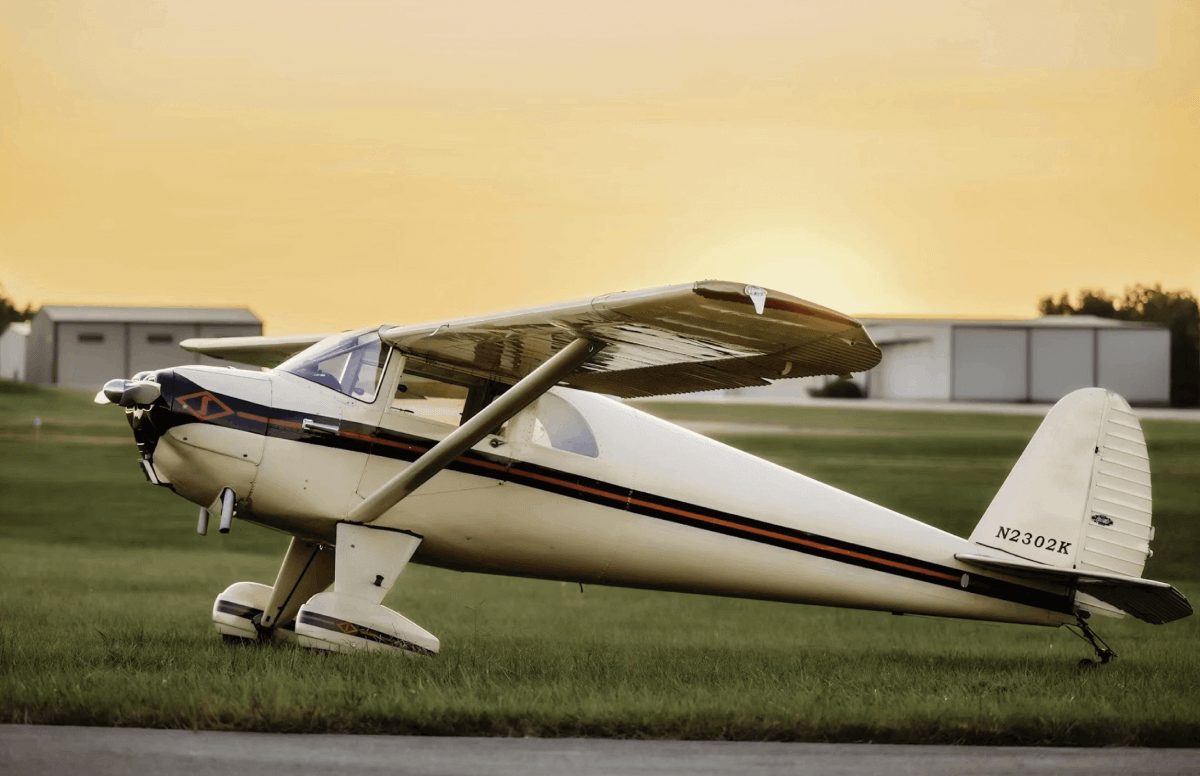











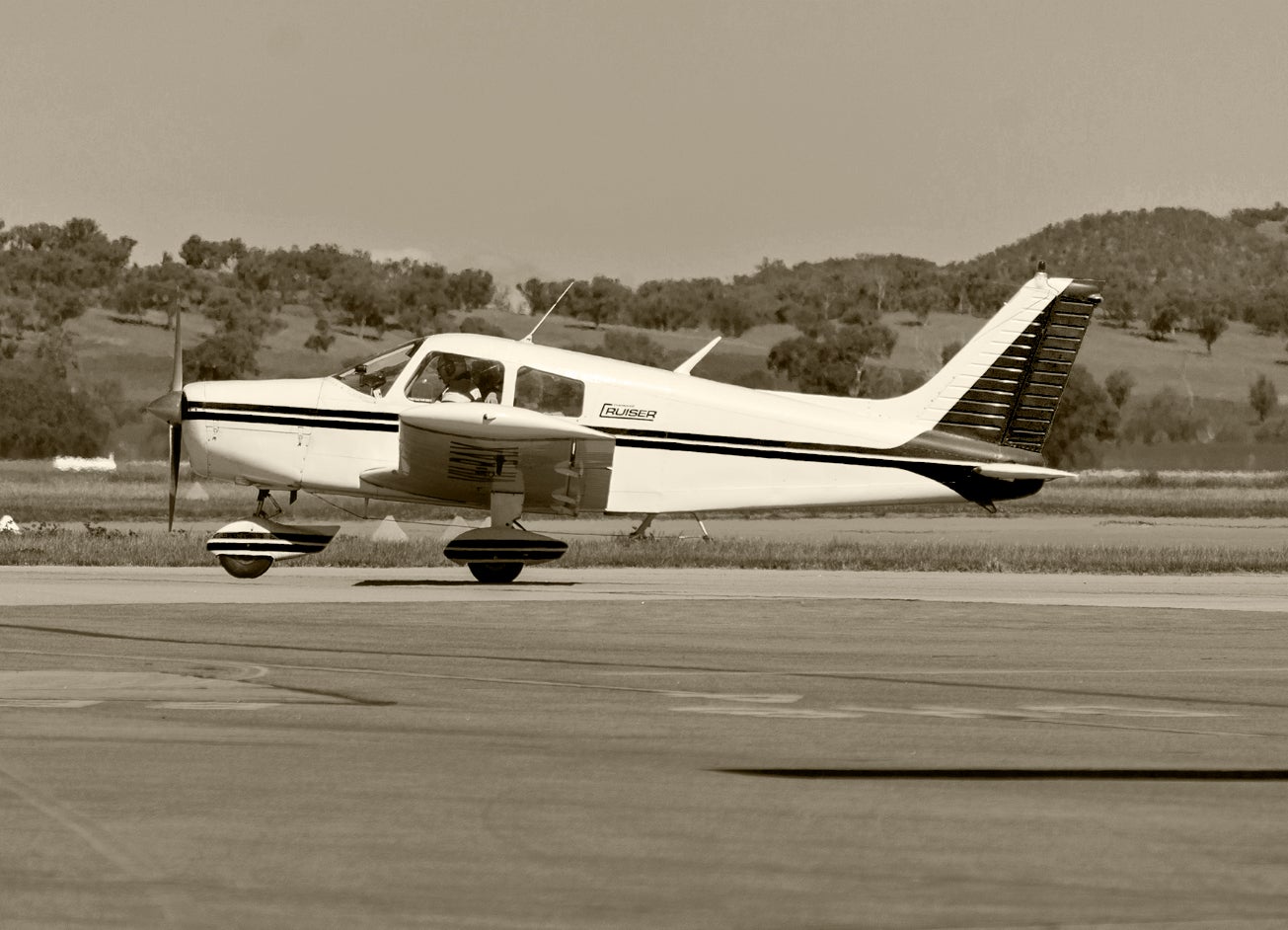

Plane & Pilot collected many interesting facts and tidbits about the history of Piper PA-28s.
Year Piper began exploring new four-seater concept: 1953
Cherokee designers: Fred Weick, John Thorp, Karl Bergey
Other notable designs from Weick: Ercoupe, NACA cowlings, Piper Pawnee ag plane
From Thorp: Lockheed Neptune, Piper Sky Scooter, T-18, Wing Derringer
Year of first Cherokee flight: 1960
Airplanes it replaced: PA-22 Tri-Pacer and Colt
Material and design of PA-22: High-wing, fabric-covered
PA-28 materials and design: Low-wing, aluminum monocoque construction
Last year of Tri-Pacer construction: 1961
PA-28 purpose: Add low-cost, modern Piper to compete with Cessna 172
Famous wing: Piper’s Hershey Bar wing, named after its shape and as a nod to its Pennsylvania design roots
Home of all PA-28 U.S. production: Vero Beach, Florida
Status of PA-28 production: Going strong in Vero Beach, Florida
Introduction of the controversial semi-tapered wing on PA-28: 1974
Nature of controversy: Which is better for stall characteristics and drag
Status of controversy: Ongoing
Noteworthy semi-tapered wing critic: John Thorp
Location of first trim wheel: On the ceiling
New location for trim control: On the floor, behind the flaps
Early optional equipment: Toe brakes
Engine for first Cherokee (Model 140): Lycoming O-320
Meaning of “140” in Cherokee 140 name: Horsepower of engine
Horsepower of engine in early Cherokee 140: 150
Nickname of original Cherokee: Cruiser
Published cruising speed of Cruiser: 108 knots
Actual cruising speed: Something less than 108 knots
Number of PA-28 designated models: Around 24
Only non-PA-28 “Cherokee:” Six-seat PA-32 Cherokee Six
Differences: Stretched fuselage and bigger engine (260 and 300 hp options)
Most powerful PA-28: Cherokee 235
Horsepower of Cherokee 235: 235
Nickname: Pathfinder
Pathfinder development: Dakota (1978, tapered wing, higher gross weight)
Name game: Cherokee 180 became the Challenger (1973) and, later, the Archer (1974)
Name game II: Cherokee 235 became the Charger (1973) and then Pathfinder (1974)
Fastest PA-28: Piper Turbo Arrow III
Claimed top cruise speed: 167 knots @15,000 feet
Realistic top cruise speeds: About 155 knots
Peak of PA-28 production: Late 1960s, approximately 7,000 per year
Total number of PA-28s manufactured: More than 32,000 and growing