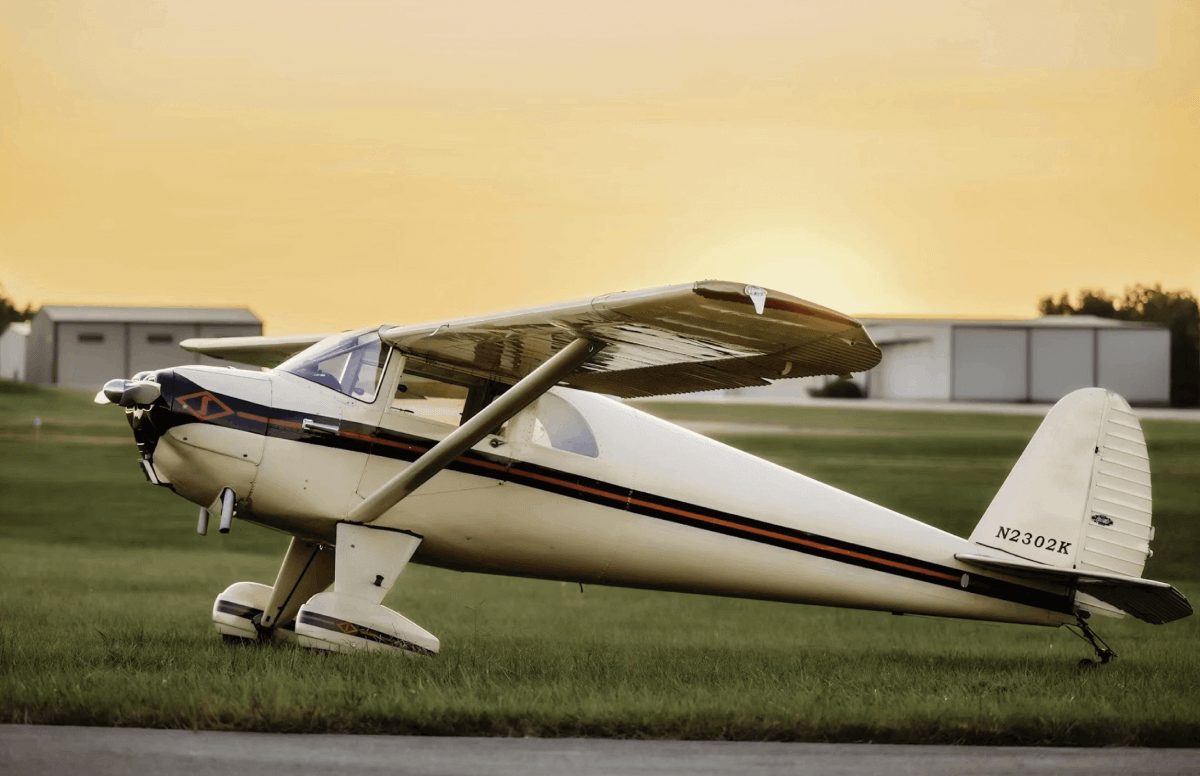












Taylorcraft BC12
Topping, Virginia
Injuries: 4
The pilot of the tailwheel-equipped airplane was practicing a power-off landing to a grass area parallel to a paved runway. The pilot stated that during the landing, the airplane pulled to the right and he was able to compensate for that with the application of hard left rudder. Then the airplane veered hard to the left, and the pilot was unable to correct with application of opposite rudder. The airplane then ground looped and nosed over. The airplane’s right wing, vertical stabilizer, and rudder were substantially damaged during the accident. Postaccident examination of the airplane’s flight controls by a Federal Aviation Administration inspector revealed that they operated through their normal range of movement and displayed no binding. Additionally, the airplane’s brakes were tested by the inspector, who found that with the exception that the pedal pressure of the right brake was weaker than that of the left brake, the brakes operated normally with no binding noted. A subsequent examination of the brakes performed by a mechanic found that the right brake pedal return spring was missing and that there was evidence of rubbing at the wheel cylinders at the cable to pin connections. No other issues were noted. Given this information, it is unlikely that any mechanical issues of either the flight control or braking system contributed to the loss of control during landing.
Probable cause(s): The pilot’s failure to maintain directional control during landing, with resulted in a ground loop and subsequent nose over.