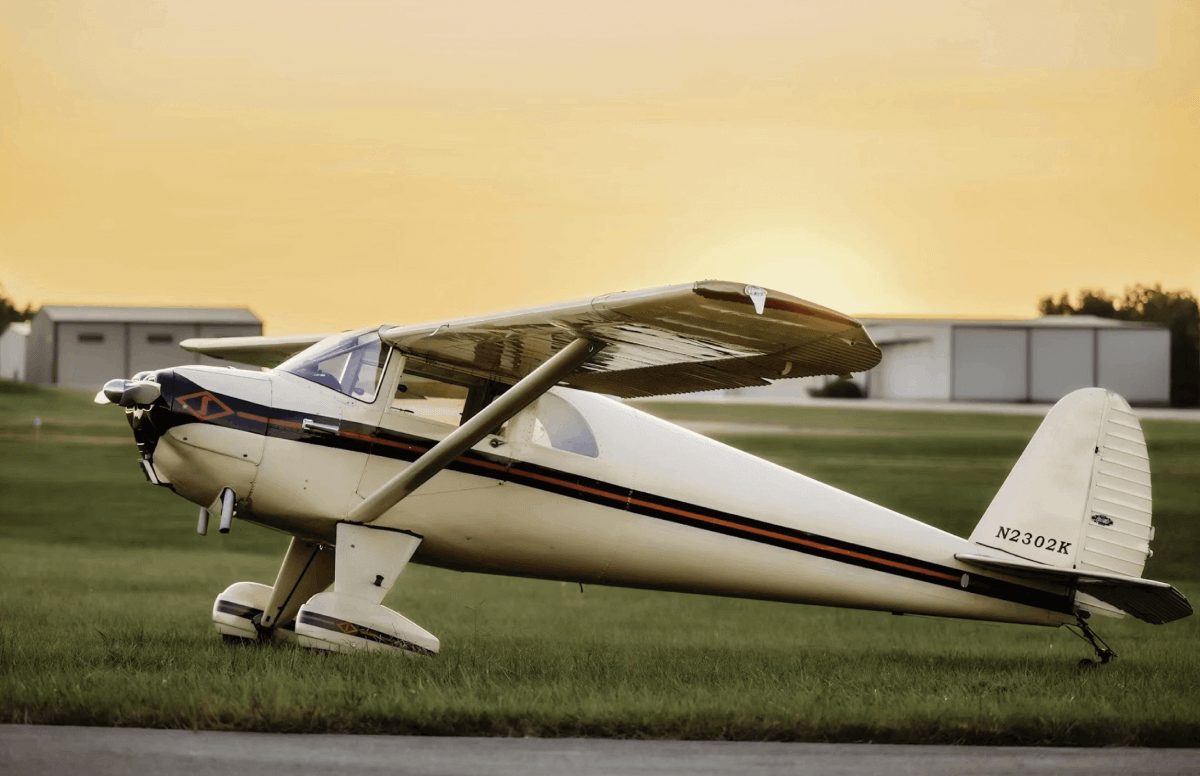











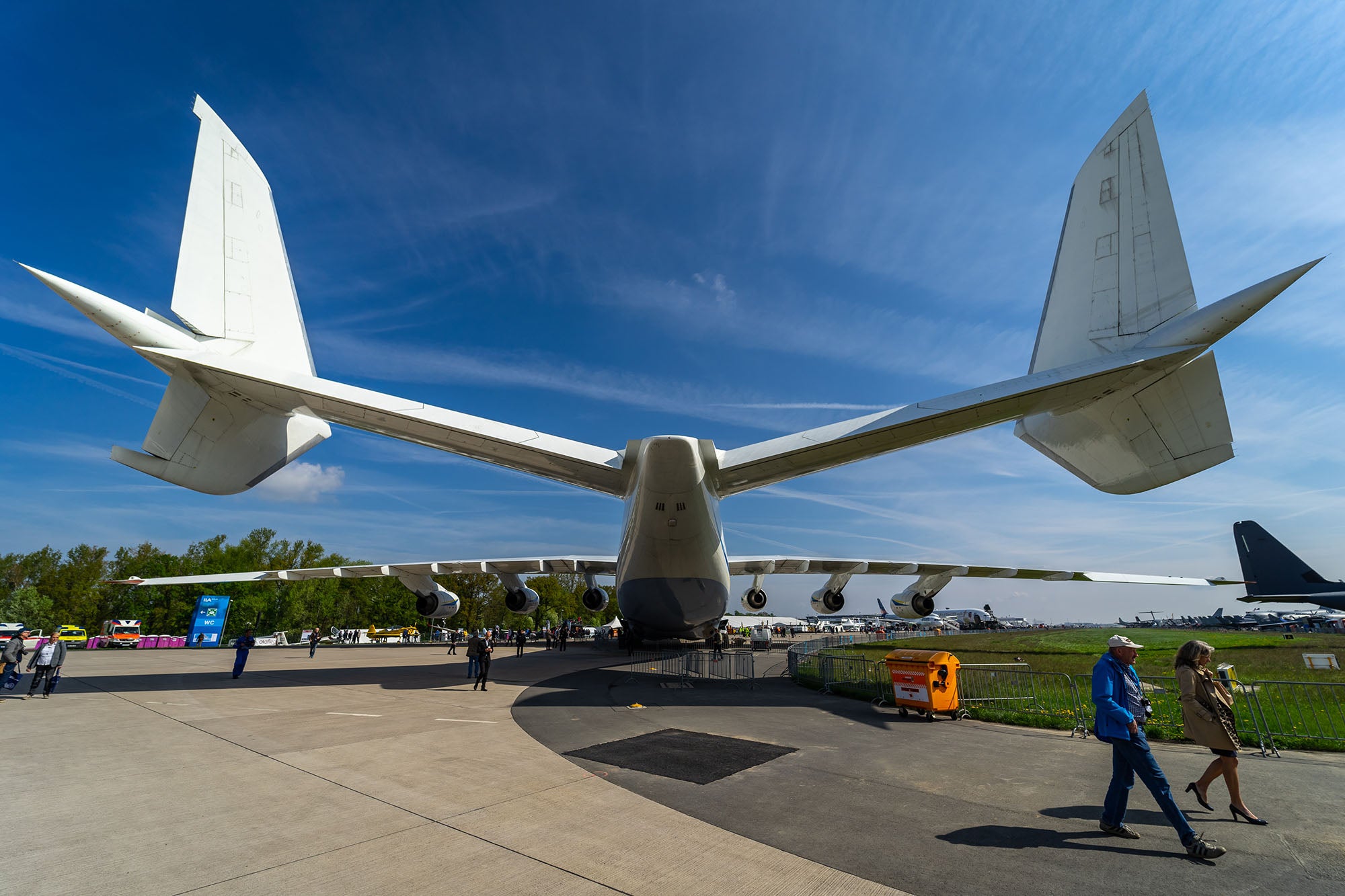

Proper term: Empennage
Primary function: Stabilization, control
Most common design: Conventional
% of aircraft with conventional tails: ~75%
Other common tail designs: V-Tail, T-Tail, Cruciform, Dual-Tail, Inverted Y
Popular in fighter jets: Twin Tail, aka Double Vertical Stabilizer
Advantage: Redundancy in case of battle damage
Stabilizers on first Douglas DC-4 model: 5 (three above, two below)
Purpose of multiple stabilizers: Fit aircraft into DC-3 Hangar
First flight: 1939
Last flight: 1939
Renamed: DC-4E, for “Extinct”
Main problem cited: Stability due to tail design
Stabilizers on second DC-4 Model: 1
World’s largest aircraft by wingspan: Stratolaunch
Tails: 2
Tail height: 50 ft.
Tail height of Sky Baby, world’s smallest airplane (1952): 5 ft.
Tallest tail in service: 79 ft.
Aircraft: Airbus A380-800
Tail width: 99.6 ft.
Surface area of vertical stabilizer: 2,421.9 sq. ft.
Horizontal stabilizer (each side): 2,314.8 sq. ft.
Average size of U.S. house: 2,392 sq. ft.
Tails on U.S. space shuttles: 0
First tail-less aircraft produced: 1906
Advantage: Reduced weight and drag
Most successful tailless configuration: Delta Wing (triangular)
Popular in: Stealth military aircraft
Modern military tailless model: Northrop Grumman RQ-180 (USAF)
Surface ceiling: 60,700 ft.
Max speed: 590 mph
Crew required: 0
Most controversial tail design: V-Tail
Popularly known as: “Butterfly Tail”
Invented: 1930, by Jerzy Rudlicki
Are you an aviation enthusiast or pilot? Sign up for our newsletter, full of tips, reviews and more!
Dead weight reduction of tail structure: 35%
First aircraft equipped: Hanriot H-28
Modern V-tail civilian aircraft: Cirrus Vision Jet
Most popular V-tailed mass-produced: Beechcraft Bonanza Model 35
Years: 1947-1982
Aircraft nickname: “Forked-Tail Doctor Killer”
Fatality rate (1952): 4.9/100,000 hours
Fatality rate of later models A35, B35 & C35: 2.5/100,000 hours
Average general aviation fatality rate: 1.05/100,000 hours
Bonanza’s tail design since 1982: Conventional