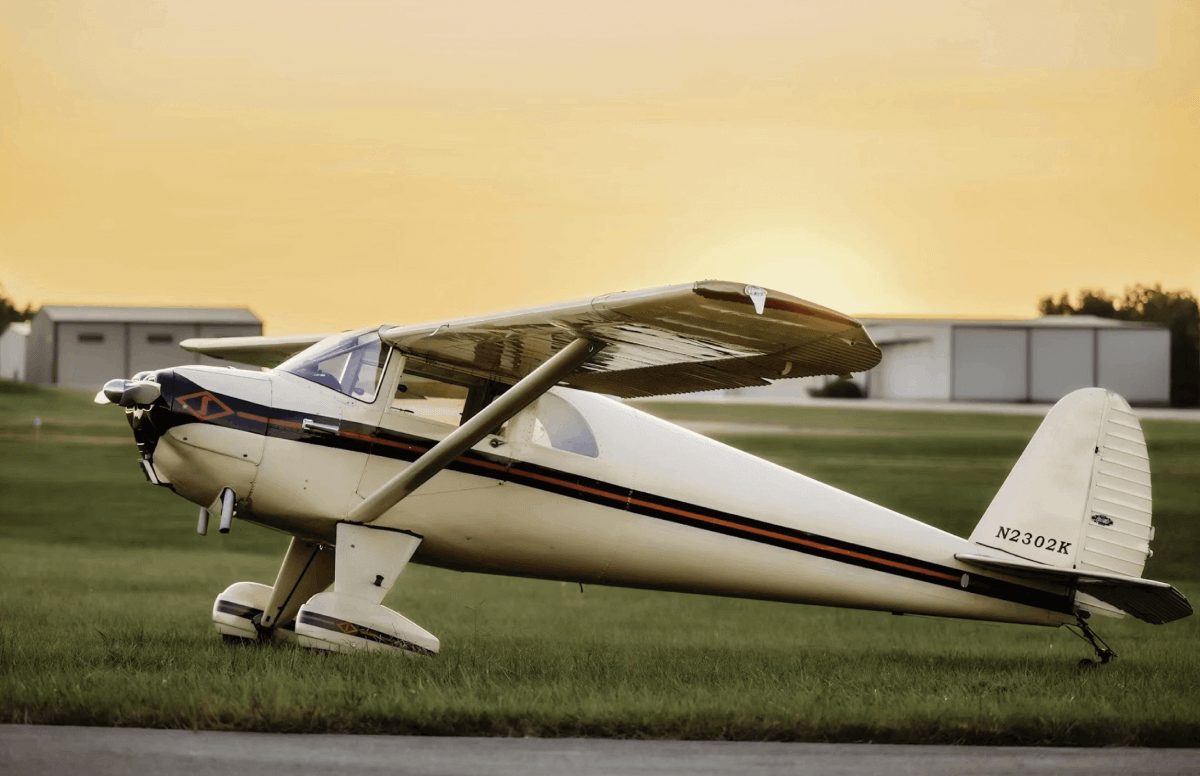










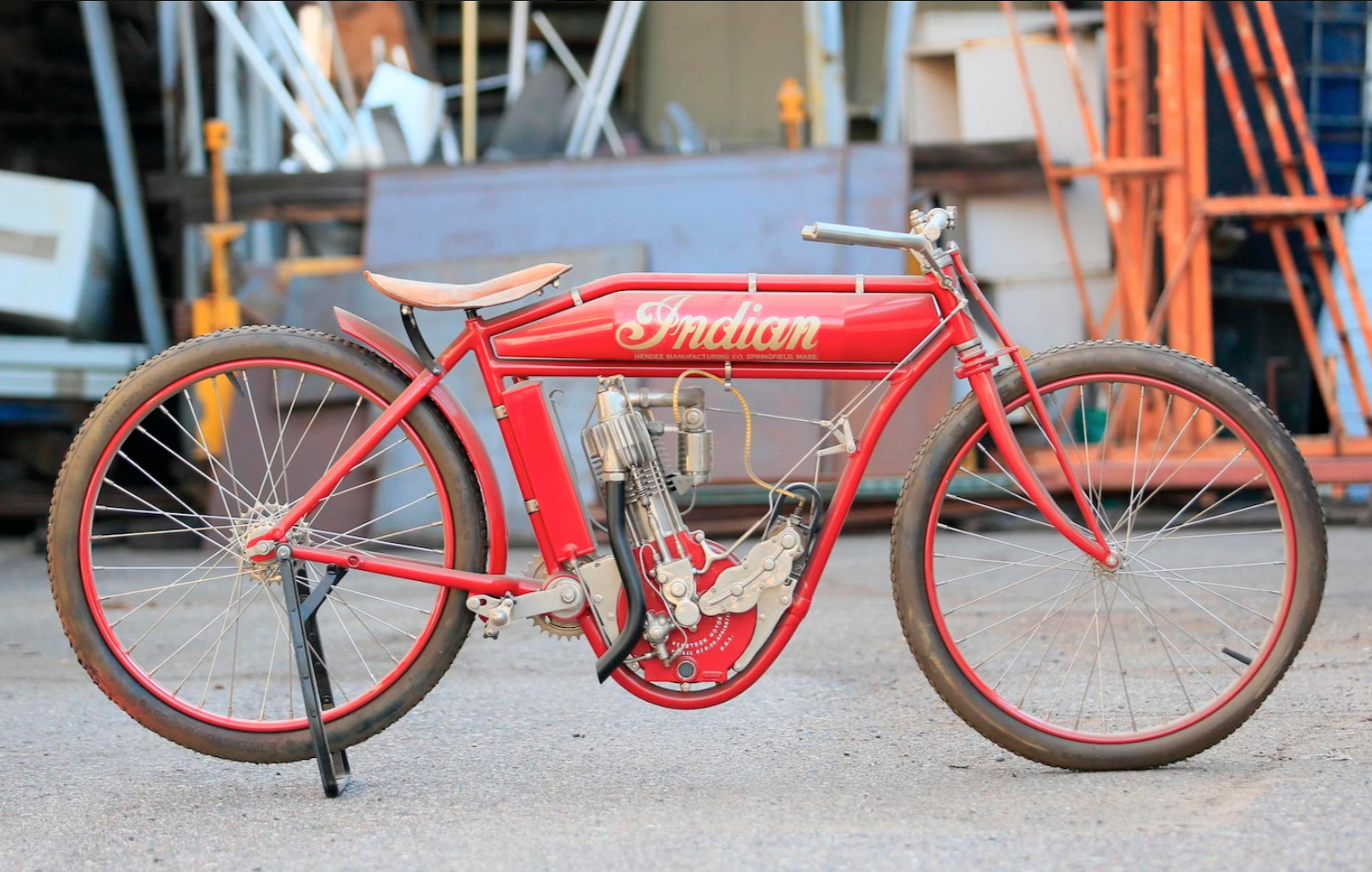

The move to mechanically propelled forms of transportation, including everything from steamboats and trains to electric trolleys, part of the Industrial Revolution, was a major driver in the development of the first aircraft. But nothing came close to the impact that the development of personal transportation vehicles, namely the automobile and the motorcycle, had.
One reason was scale. Both cars and planes, at least as far as they imagined the latter’s future, were seen as transportation for no more than a few people, to be powered by a single-engine, with a drive train spinning the motive mechanism, wheels vs. propellers, respectively. Many of the problems that automobile engineers were attempting to solve, including the development of suitably lightweight engines for their vehicles, were exactly the same things that plane makers were concerned with. They came up with numerous good ideas, from the opposed engine to the arrangement of the instruments and controls to the enclosing of the seating area. These were usually adopted and adapted for aircraft use in some modified form.
And the widespread use of cars meant that gasoline became widely and readily available, mak- ing the choice of powerplants an easy call. The other critical development of the automobile was infrastructure. As cars and trucks got highways and bridges, so, too, did aircraft get airports, runways and service providers. When the paving of roads became commonplace, the paving of runways to accommodate faster and larger planes was easy to do.
Finally, the development of manufacturing processes to build large numbers of cars would soon allow the mass manufacture of large numbers of airplanes in what would come next.