









Marvelous Mooney

Rein It In

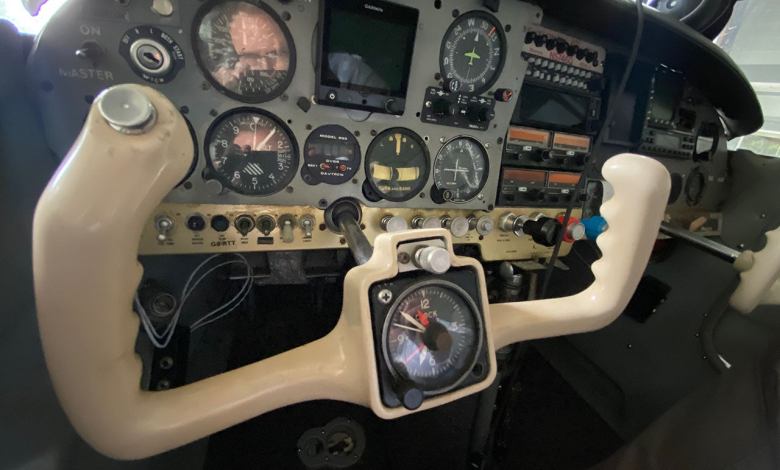
Plan your descent to respect the airspeed limitations as you arrive. Turbocharged Mooneys should be equipped with speed-brakes to allow descending without shock cooling the cylinders. Plan to level off to slow to gear speed as you approach the traffic pattern, adding flaps and trim to stabilize during the arrival. The older small-cabin Mooneys need […]
Read More »

Up And Away

Takeoff is normally performed with flaps in the 15-degree position. Only a slight rotation is required for liftoff. The gear is retracted at a safe point, followed by the flaps. If flying an old manual-gear Mooney, relax your grip on the yoke while retracting; onlookers will watch for you to bob and weave as you […]

Read More »

Settling In

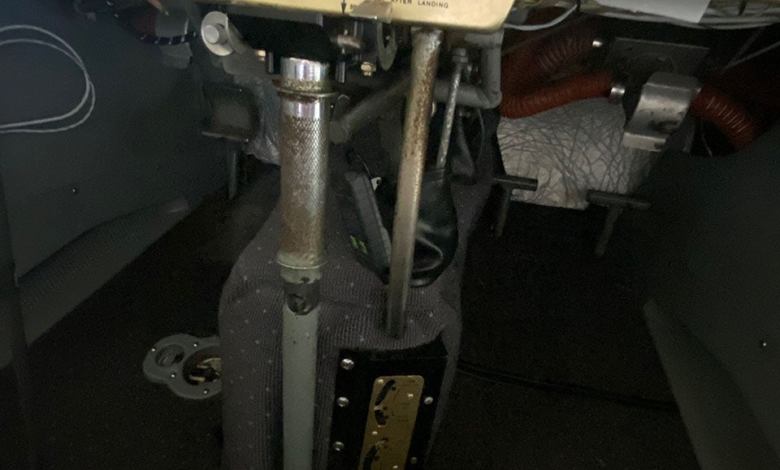
If you like the looks of your feet, take note of them before sliding your seat forward; your legs disappear under the panel when flying a Mooney. The seating is comfortable, just restricted. In older Mooneys, the floor-mounted fuel selector is beneath the pilot’s seat, requiring it to be slid back to reach the valve. […]

Read More »

Flying A Mooney M20

I’ve flown just about all the metal-wing Mooneys, including the Porsche-powered PFM, and have never found them difficult to operate. They are stable in IMC, responding immediately to control inputs and predictable when maneuvered. However, Mooneys, as complex, high-performance airplanes, do require study and practice to learn how best to use them. Prior to 1969, […]

Read More »

Gear Systems

The landing gear system uses stacked rubber cushions for shock absorption, a simple trouble-free method until time catches up with it, requiring disc replacement. Check for elasticity by watching for the gear to rebound after unloading. Pre-1981 Mooneys had a supplemental automotive-type shock absorber on the nosegear, eliminated in later models. Prior to 1967, when […]

Read More »

Characteristics

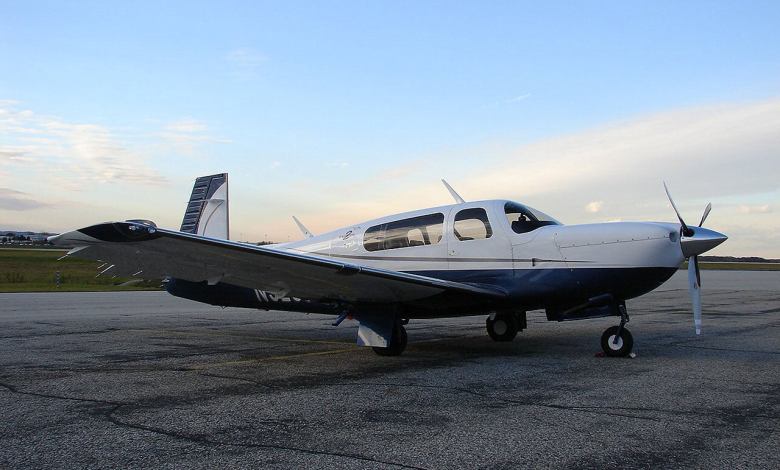
Mooney airplanes generally fall into the “little Mooney” and “big Mooney” categories, with many, many sub-divisions. The little versions are the original designs with four-cylinder Lycoming engines, the big variants being the ones powered by six-cylinder big-bore Lycomings and Continentals. Always focused on efficiency and speed, Al Mooney intended to exceed a top-speed criterion of […]

Read More »

Look Out, Here It Comes Again

All of these model manipulations were again affecting Mooney Aircraft’s fortunes, leading it into bankruptcy in July 2001. Acquired by Advanced Aerodynamics and Structures, Inc., in 2002, Mooney was sold to Allen Holding Finance in May 2004 but then was reacquired by ASSI (as Mooney Aerospace Group, Ltd.) in December 2004. The introduction of Garmin […]

Read More »

Muscle Plane Mooneys

No roundup of the Mooney line would be complete without mentioning the ill-fated M20L PFM, built in 1988 and 1989. The PFM, for Porsche Flugmotoren, was an attempt to merge the Mooney airframe with a 217-hp six-cylinder Porsche automobile powerplant. It was to be a high-tech computer-operated marvel with single-lever power management, but it proved […]

Read More »

Resurrection Of The Mooney M20

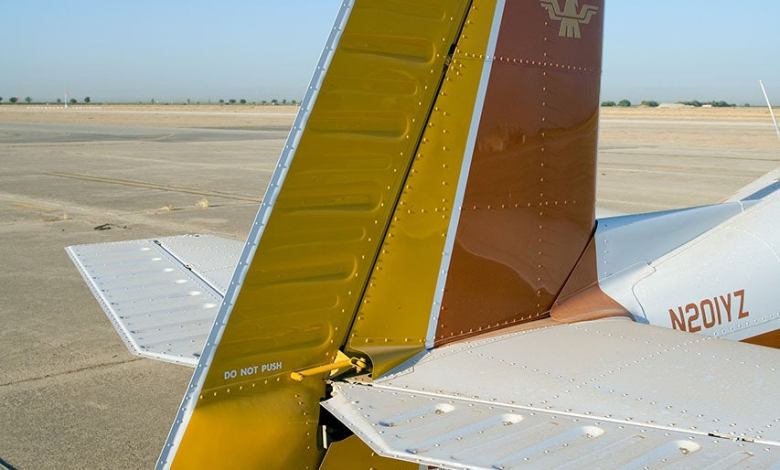
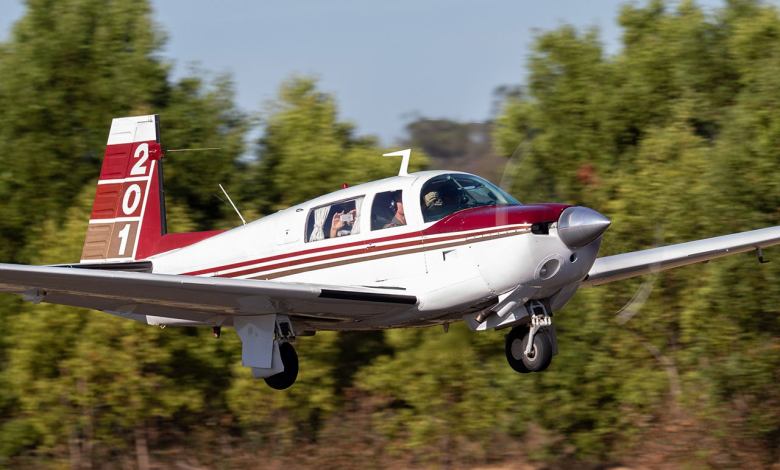
Certificated on Sept. 27, 1976, the first 201s were 1977 models. Gross weight was raised to 2,740 pounds (raised to 2900 pounds in later models), and fuel capacity was now 64 gallons. The windshield was carefully slanted, and the cowling was reshaped; the retracted main gear was faired in and hidden behind partially enclosing doors, […]

Read More »

Expensive Attempts

During all these years, Mooney Aircraft dabbled and dallied with projects that might improve its market position, including a proposed “Mark 22” twin based on the M20A, then a pressurized-cabin M22 Mustang single, which actually was certified; 29 were built from 1967 to 1970, but it was a financial disaster. A joint venture with Mitsubishi […]

Read More »
Subscribe to Our Newsletter

Get the latest Plane & Pilot Magazine stories delivered directly to your inbox

SUBSCRIBE