












NTSB Weighs in on Dale Snodgrass Crash

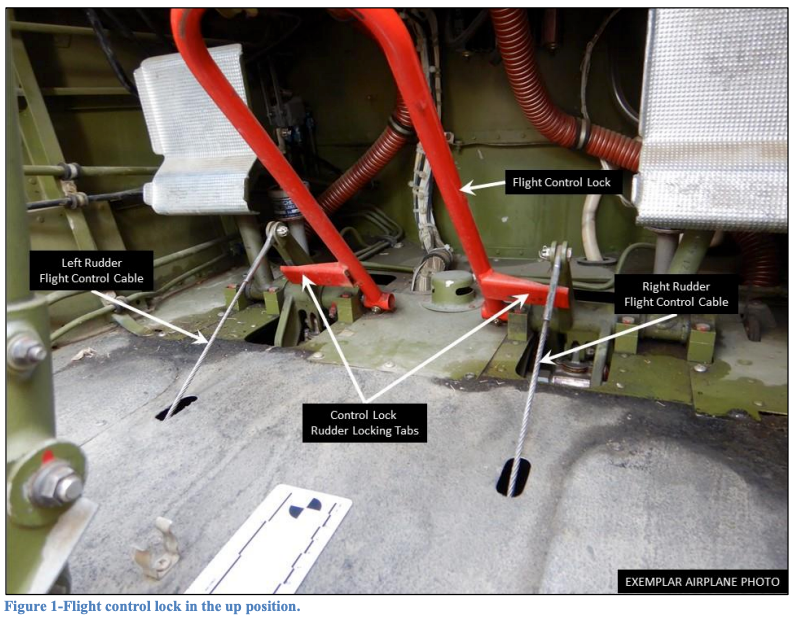
Dale Snodgrass- Control Lock
Courtesy NTSB
Gemini Sparkle

Key Takeaways:

  • The NTSB concluded that the crash involving well-known airshow flyer Dale Snodgrass was caused by his failure to remove the gust lock from his light single-engine plane.
  • The gust lock, designed to protect flight controls, prevented Snodgrass from controlling the aircraft during takeoff from Lewiston-Nez Perce County Airport.
  • With the device installed, the plane's nose rose immediately after takeoff, then nosed over at 80 feet, impacting the ground nose-down.
See a mistake? Contact us.
Dale Snodgrass- Control Lock
Courtesy NTSB

In its Final Report on the crash of a light plane taking off from Lewiston-Nez Perce County Airport in Lewiston, Idaho, last year, the National Transportation Safety Board found that the pilot, former Naval Aviator and well-known and highly respected airshow flyer Dale Snodgrass had failed to remove the gust lock from the SIAI-Marchetti light single-engine plane he was flying. The locking mechanism, designed to prevent gusty winds from damaging the flight controls, prevented Snodgrass, the Board found, from controlling the aircraft. With the device installed, the plane’s nose rose immediately after takeoff, and at an altitude of 80 feet, nosed over in a left turn and impacted the ground in a direct nose-down position. 

Isabel Goyer

A commercial pilot, Isabel Goyer has been flying for more than 40 years, with hundreds of different aircraft in her logbook and thousands of hours. An award-winning aviation writer, photographer and editor, Ms. Goyer led teams at Sport Pilot, Air Progress and Flying before coming to Plane & Pilot in 2015.
Subscribe to Our Newsletter

Get the latest Plane & Pilot Magazine stories delivered directly to your inbox

SUBSCRIBE
