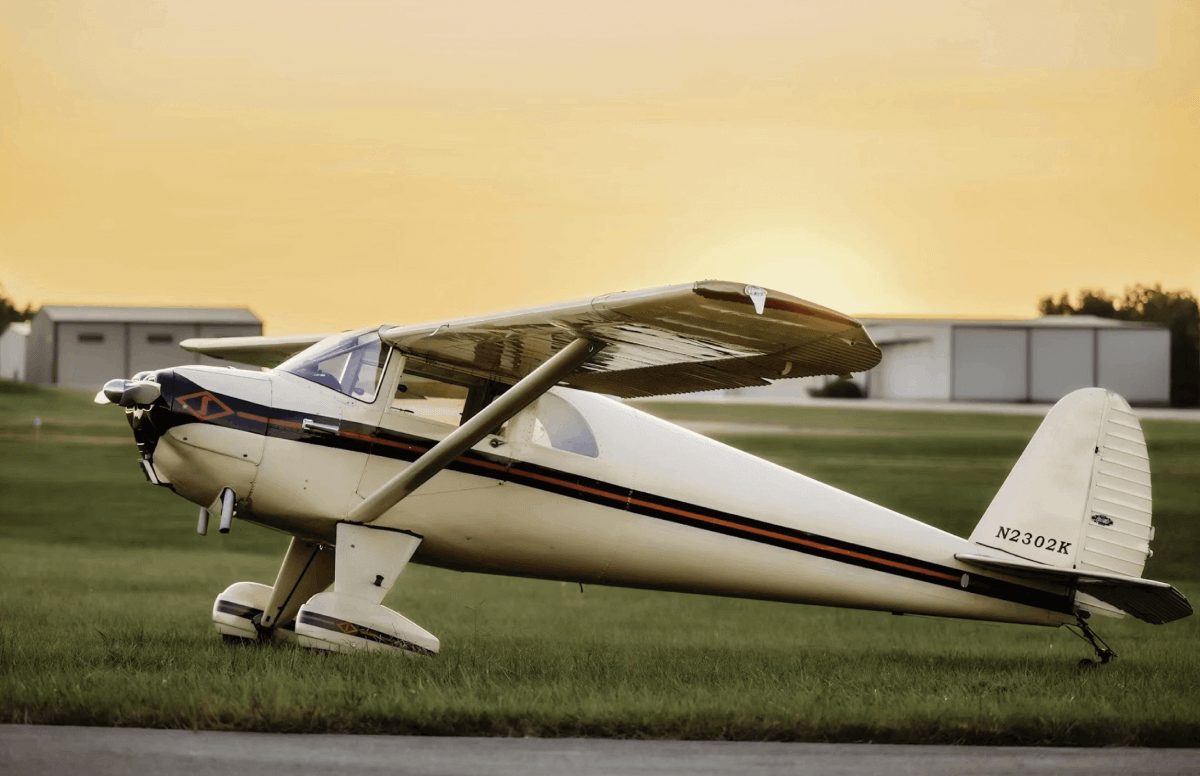










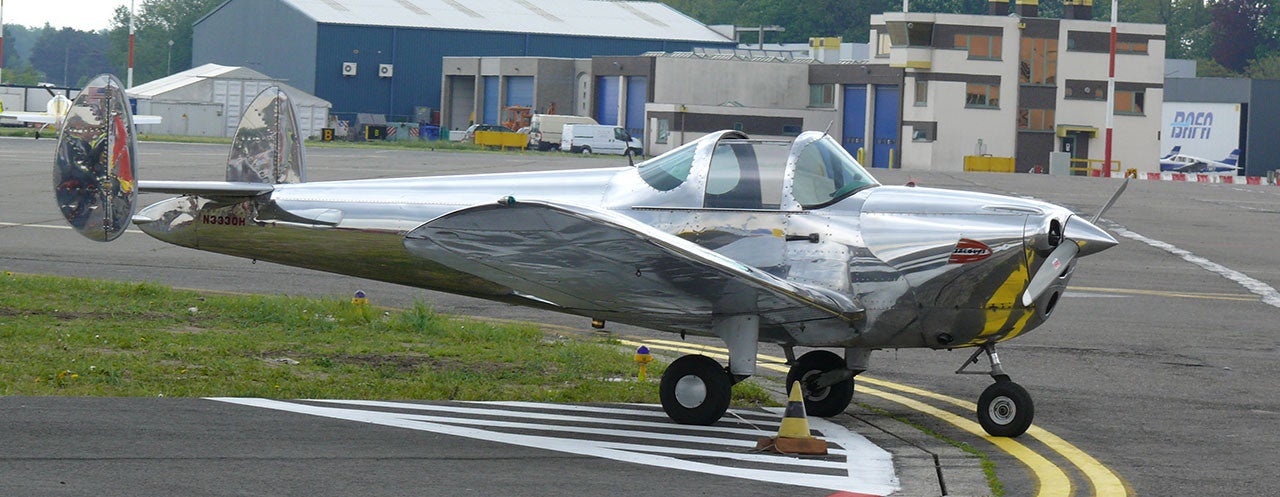
Every once in a while, there will emerge a designer in a field given to evolutionary change that will upend everything in a quest for that perfect product. In this case, that designer is Fred Weick, whose Ercoupe small plane did everything differently. Weick’s goal for the little side-by-side seating, sheet-metal Ercoupe, which debuted in 1937, was to make a safe, affordable, spin-proof plane that would be easy to fly, have great visibility and be cheap to buy and operate. Well, he succeeded in most of that. By some calculations, the Ercoupe wasn’t much or any safer than its tube-and-rag competitors, but it was easy to fly, and it was cheap (and still is), and you can even fly it with the canopy pulled back. In addition to the tricycle gear, which looked very odd in 1937, the Ercoupe had no rudder. It was a two-axis plane that pilots could and did fly with their feet flat on the floor.
Erco Ercoupe, 1937

Key Takeaways:
- Fred Weick designed the Ercoupe, a small plane that debuted in 1937, with the primary goal of creating a safe, affordable, spin-proof, and easy-to-fly aircraft.
- The Ercoupe featured several innovative designs for its time, including tricycle landing gear and the notable absence of a rudder, making it a two-axis plane that could be flown without foot pedals.
- While its safety record wasn't significantly superior to competitors, it successfully achieved Weick's objectives of being easy to fly and affordable to buy and operate, even allowing flight with the canopy pulled back.
See a mistake? Contact us.