











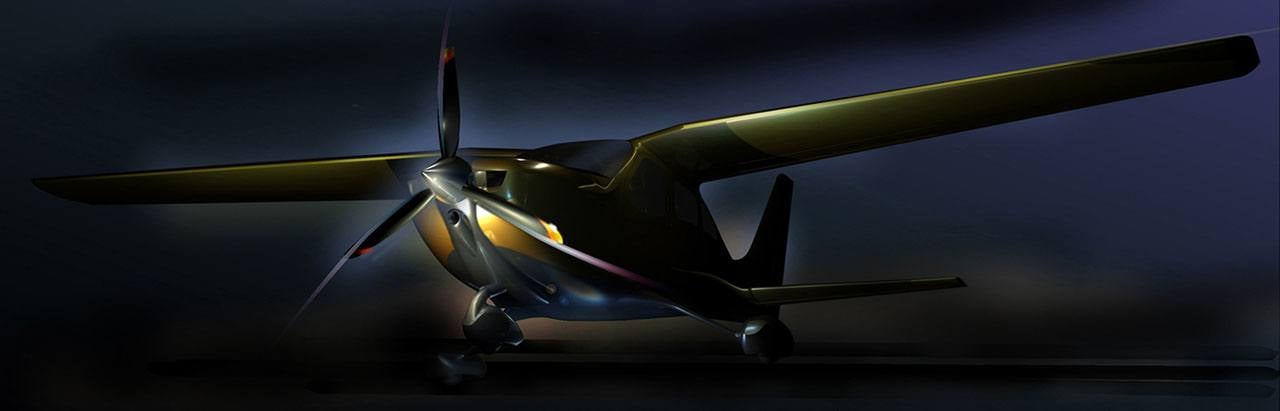
When it comes to figuring out why airplanes that seemed promising never made it, sometimes, as is the case with the next plane, the Eclipse EA400, it’s easy to say. In the case of the Cessna NGP (for Next Generation Piston!later changed to Next Generation Prop), the answer isn’t clear. Its origins are pretty easy to guess at, though. Leadership at Cessna likely saw the success of the Cirrus SR22, which was outselling Cessna’s entire piston lineup at the time, and it was concerned that the future might pass it by. So the company came up with a composite fuselage, metal-wing fixed-gear, 300-hp class piston-engine model that would eventually form the basis for single-engine Cessnas to come. In 2006, the company brought the prototype to Oshkosh AirVenture, where it made quite an impression. There was even talk of going in the direction of diesel or even turboprop power. But things stopped happening with the plane shortly after its Oshkosh launch. The following year, Cessna purchased the assets of Columbia Aircraft, which made a model very similar to the Cirrus SR22, and the Cessna NGP was abandoned.